
A solar panel inspection evaluates your system’s physical condition, electrical performance, and safety compliance — and can catch problems that monitoring apps miss. Most homeowners should have a professional solar inspection every 3–5 years and immediately after any significant weather event (hail, hurricane, ice storm). Inspections typically cost $150–$400 and can identify degradation, wiring faults, or safety hazards before they become expensive failures or safety risks.
What Does a Solar Panel Inspection Cover?
A thorough solar inspection has three main components:
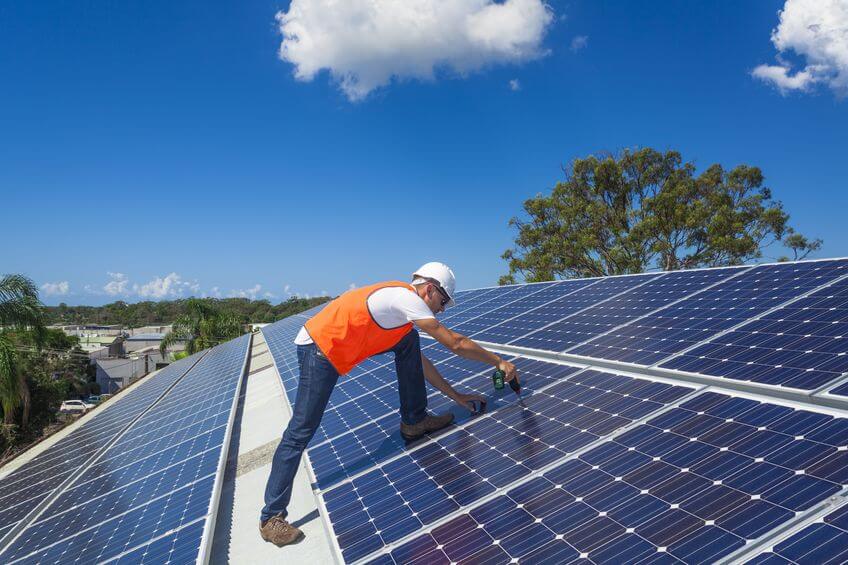
Visual inspection of panels and mounting: An inspector walks the roof (or uses a drone for inaccessible or steeply pitched roofs) to check for cracked glass, delamination, discoloration, debris accumulation, and physical damage from weather or pests. Mounting hardware is checked for corrosion, loose fasteners, and proper sealing at roof penetrations. Squirrel or bird nesting under panels is identified — critter damage to wiring is a common and underreported cause of system underperformance.
Electrical system inspection: The inspector checks junction boxes, conduit runs, and wiring terminations for signs of moisture ingress, overheating, arc damage, or deteriorating insulation. Inverter connections, combiner boxes, and disconnects are verified for secure terminations and correct labeling (required by NEC 690). DC string voltages and currents may be measured to identify underperforming strings or panels.
Inverter and monitoring check: Inverter error codes are reviewed, firmware versions are verified, and production data is compared against expected output (using PVWatts or your monitoring system’s baseline) to identify systematic underperformance. A system producing consistently 10–15% below expected levels often has an identified cause upon inspection.
Infrared (thermal) imaging: Higher-end inspections include thermal imaging of panels to identify hot spots — localized overheating caused by cell cracks, bypass diode failures, or soiling patterns. Hot spots can cause permanent cell damage and are a fire risk in severe cases. IR imaging identifies problems not visible to the naked eye or detectable via voltage/current measurements alone.
Solar Panel Inspection Cost
Basic visual inspection: $150–$250 for a ground-level plus roof-accessible inspection. Most solar installers and independent solar service companies offer this level of inspection. Typically includes panel condition, mounting hardware, inverter visual check, and a written report.
Comprehensive inspection with electrical testing: $250–$400. Adds string voltage/current measurements, inverter diagnostic data download, and comparison against system design specifications.
Inspection with infrared thermal imaging: $350–$600+. IR cameras add significant time and equipment cost. Most valuable for systems that are underperforming or are 5+ years old. Some companies use drone-mounted IR cameras for large commercial arrays.
Drone inspection (large or inaccessible arrays): $400–$800 for residential; $1,000–$5,000+ for commercial arrays. Drone inspections are standard practice for large commercial and utility systems and are increasingly available for residential steep-pitch roofs where walking is unsafe.
Who performs inspections: Your original installer, other licensed solar companies, and increasingly, independent third-party solar inspection firms. Third-party inspections are recommended for systems where you want an objective assessment — installer self-inspections may minimize findings that would generate warranty claims.
When to Get a Solar Inspection
Every 3–5 years for routine maintenance: Most solar companies and manufacturers recommend a professional inspection every 3–5 years for systems in good condition. Systems in high-soiling environments (near highways, farms, or industrial areas), coastal salt air locations, or climates with frequent hail should be inspected more frequently.
After severe weather: Hail, hurricanes, tornadoes, ice storms, or major wind events warrant an immediate inspection. Hail can cause microcracks not visible to the naked eye but detectable via IR imaging — and IEC 61215 hail testing standards use 1-inch diameter hailstones. Storms with larger hail may cause visible cracking. Document any weather damage promptly for insurance claims.
When production drops unexpectedly: If your monitoring data shows a sustained drop in production (not explained by seasonal variation, shade from new tree growth, or soiling), a professional inspection can identify the cause. Common findings include failed bypass diodes, a tripped circuit breaker, a partially failed inverter MPPT tracker, or animal damage to wiring.
Before buying a home with solar: A solar inspection before closing on a home with an existing solar system is strongly recommended, especially for panels more than 5 years old or systems where production records aren’t available. An inspection tells you the system’s condition and helps you negotiate the value of the solar system into the purchase price. Solar-specific home inspection add-ons are available from specialized companies for $200–$400.
When your warranty claim is denied: If a manufacturer denies a warranty claim for panel degradation or defects, a third-party professional inspection with documentation provides an independent basis for disputing the denial.
DIY Solar Panel Inspection
Between professional inspections, homeowners can perform basic visual checks safely from the ground:
Ground-level visual check: Look for visible cracks, discoloration, bird or squirrel nesting material under panels, and any panels that appear tilted or partially dislodged. Check that conduit and junction boxes on the exterior wall appear intact and undamaged.
Monitoring data review: Compare your system’s actual production against its historical production for the same week or month in prior years. Enphase Enlighten, SolarEdge mySolarEdge, and SMA Sunny Portal all allow multi-year production comparisons. A sustained underproduction of more than 10–15% from the same period last year warrants investigation.
Inverter status check: Walk to your inverter and check its status indicator. Green solid light = normal operation. Blinking green = normal but at reduced output. Any red light, error code, or fault indicator warrants calling your installer.
What not to do yourself: Do not get on the roof to inspect panels without proper safety equipment and experience. Do not open electrical boxes, touch wiring, or attempt to measure DC voltages without training — solar PV systems carry lethal DC voltages (200–600V) that remain live any time panels are exposed to light, regardless of whether the inverter is disconnected. Rapid shutdown systems (required by NEC 690.12 since 2017) reduce but don’t eliminate DC voltage risk.
Common Solar Panel Problems Found During Inspection
Hot spots: Localized cell overheating from cell cracks, bypass diode failure, or partial shading. Can reduce cell output by 30–50% and cause permanent damage to the encapsulant. Identified via thermal imaging. Hot spots from bypassed cells (bypass diode failure) are the most common serious finding in 5–10 year old systems.
PID (Potential Induced Degradation): Voltage-driven degradation that causes accelerating power loss in certain panel types under high system voltage and humidity conditions. Affects some older crystalline silicon panels, particularly those installed in coastal or high-humidity environments without proper grounding. Modern panels (TOPCon, HJT) are far less susceptible. PID appears as systematically degraded string output, identifiable via IV curve tracing.
Delamination: Separation of the EVA encapsulant from the glass or backsheet, often appearing as bubbling or clouding. Delamination allows moisture ingress, which accelerates corrosion of cell contacts and wiring. More common in older panels or those manufactured with compromised EVA adhesion — a quality issue that affected some Chinese manufacturers’ products from the 2010–2015 period.
Critter damage: Squirrels and birds nest under panels and chew wiring insulation. A 2023 study by NREL found animal wire damage is more common than previously recognized in residential arrays. Early discovery through inspection prevents arc faults and fire risk.
Fastener corrosion: Stainless steel mounting hardware resists corrosion, but aluminum rail-to-fastener contact can corrode through galvanic interaction with dissimilar metals in coastal environments. Loose or corroded fasteners discovered early are inexpensive to address; delayed discovery can result in panel detachment in high-wind events.
Frequently Asked Questions
How often should solar panels be inspected?
A professional inspection every 3–5 years is a reasonable baseline for most systems in good condition, combined with annual DIY monitoring data reviews. Systems near the coast, in high-soiling environments, or in hail-prone areas benefit from more frequent professional inspections. Any significant weather event — particularly hail, hurricanes, or ice storms — warrants an immediate professional inspection regardless of the regular schedule.
Do solar panels need to be inspected to maintain warranty?
Most panel and inverter warranties don’t explicitly require periodic professional inspections to remain valid. However, some manufacturer warranty claims require evidence of proper installation and maintenance, and a professional inspection creates a documented record. Systems that have been professionally maintained and inspected have a stronger basis for warranty claims than systems with no maintenance record. Check your specific warranty documents for any maintenance requirements.
What should I do if my solar inspection finds a problem?
Prioritize safety issues (arc fault risk, damaged wiring, structural concerns with mounting hardware) immediately. For performance issues like hot spots or PID, contact your original installer first — the problem may be under the panel’s performance warranty. If the system is out of warranty, get quotes from multiple solar service companies for repair or panel replacement. Document everything in writing — inspection reports, photos, and correspondence with manufacturers and installers.
Summing Up
Regular solar panel inspections protect your investment and ensure your system continues operating safely and at peak output. A professional inspection every 3–5 years costs $150–$400 and can catch problems — hot spots, critter damage, fastener corrosion, PID — before they become expensive repairs or safety hazards. Combine professional inspections with regular monitoring data reviews to detect performance issues between visits. For help with a solar inspection or to get a quote on a new installation, call (855) 427-0058 or visit us.solarpanelsnetwork.com.
Updated