
Solar panels installed correctly by a licensed contractor do not damage roofs — in fact, they can extend roof life by shielding shingles from UV radiation and weather. The vast majority of solar roof damage claims stem from improper installation: incorrect flashing, inadequate sealant, penetrations into cracked or near-end-of-life shingles, or installers who don’t understand roofing. Understanding what to look for protects you from both installation problems and unfounded worry.
Do Solar Panels Damage Roofs?
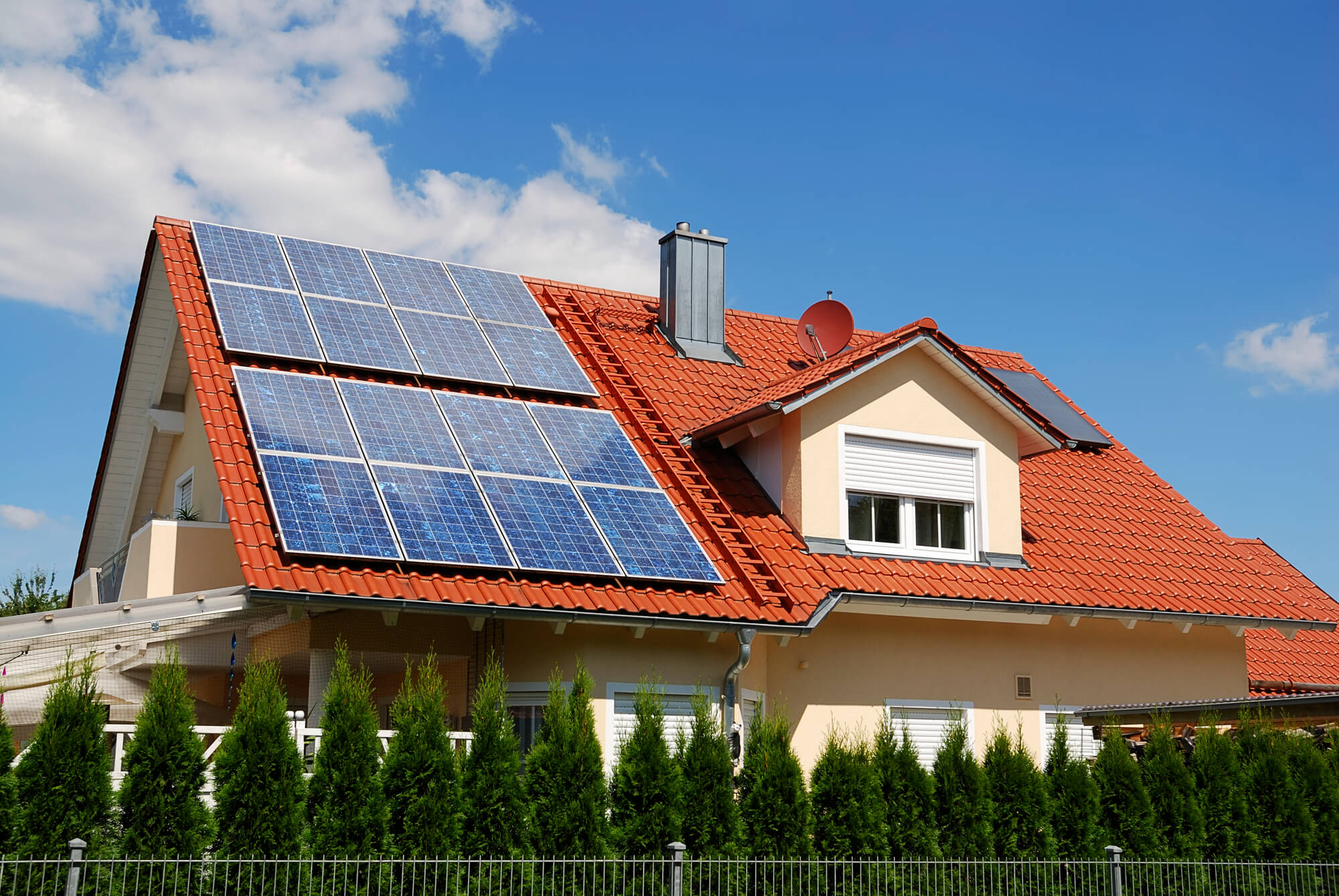
A properly installed solar system does not damage a roof. The panels sit on a racking system that attaches to roof rafters (structural members), not just sheathing or shingles. Each penetration point is flashed and sealed — the same approach used for plumbing vents, chimney bases, and skylights, all of which are standard roofing elements that don’t cause leaks when properly installed.
In several ways, solar panels actually protect the roof beneath them. Panels shield shingles from direct UV exposure — the primary driver of asphalt shingle degradation — which can extend the life of covered shingles by 5–10 years compared to uncovered sections. Panels also reduce the thermal cycling (expansion and contraction with temperature changes) that stresses shingles over time. Research by UC San Diego found that shingles under solar panels ran 5°F cooler than adjacent exposed shingles.
The concern about solar roof damage is legitimate in two scenarios: improper installation by underqualified contractors, and installation on roofs that are too old or damaged to be good candidates. Addressing these two risks before installation eliminates the vast majority of solar roof damage problems.
How Solar Panels Are Attached to Roofs
Understanding the attachment method clarifies the leak risk. The most common residential racking system uses lag bolts into rafters:
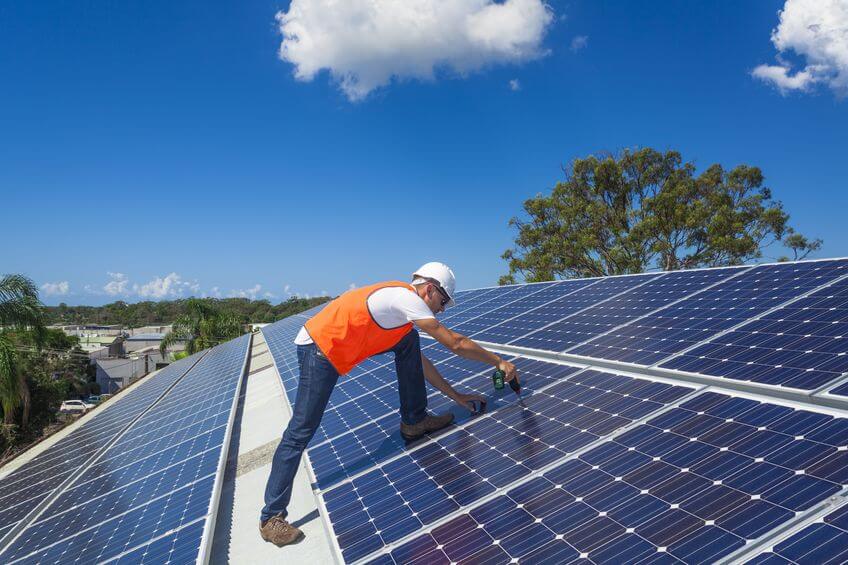
A stainless steel or aluminum foot (called a “standoff” or “L-foot”) is bolted through the shingles into the rafter below, using a lag bolt typically 1–2 inches long into solid lumber. A flashing piece slides under the overlapping shingles and sits on top of the shingle below, creating a weather-tight cover over the penetration. Sealant (butyl or silicone) is applied to the bolt threads and the flashing edges. Aluminum rails then attach to the standoffs, and panels clip onto the rails.
When this is done correctly — bolts into solid rafters, not just sheathing; flashing properly lapped over the lower shingle; sealant applied correctly — the penetration is as watertight as a properly flashed plumbing vent. When it’s done wrong — lag into sheathing only, flashing skipped to save time, inadequate sealant — leaks are possible and do occur.
Ballasted racking (flat roofs): On flat commercial roofs with TPO or EPDM membranes, racking systems are often ballasted with concrete pavers rather than penetrating the roof membrane. This eliminates penetration risk entirely. Residential steep-pitch roofs typically cannot use ballasted systems due to slope and wind loading requirements.
Signs of Solar Panel Roof Damage
If you’re concerned that an existing solar installation may have caused roof damage, look for these signs:
Water stains on ceilings or attic sheathing: The most definitive sign of a roof leak is water staining in the attic or ceiling areas below or near the array. Stains don’t necessarily appear directly below the penetration — water travels along rafters before dripping. Inspect the attic on a rainy day with a flashlight to find the entry point.
Damaged or lifted flashing: From the ground or a ladder, check visible flashing around standoffs. Flashing that is visibly lifted, cracked, or missing sealant at the edges is a potential leak point even if no water has appeared yet.
Cracked shingles at penetration points: If the installer drove lag bolts into already-cracked or brittle shingles (common on roofs approaching end of life), those cracks may have worsened and created leak pathways alongside the bolt. Cracked shingles are visible as lighter-colored fracture lines radiating from the penetration area.
Granule loss patterns: Solar panels that trap debris (leaves, bird droppings, standing water in low-slope areas) can accelerate granule loss on exposed shingle edges. More significantly, granule loss directly under panels that are installed without adequate air gap can result from trapped moisture — though this is rare with properly racked systems that maintain an air gap.
No damage: In the majority of cases, inspecting a solar installation reveals no damage whatsoever — the flashing is intact, the shingles around penetrations are undisturbed, and the roof is in the same condition it would be without solar. This is the expected outcome of a quality installation.
Roof Age Requirements for Solar
Most solar installers and roofing professionals recommend solar installation only on roofs with 10 or more years of remaining life. The reasoning:
When a solar system needs to be removed to re-roof (which it does — panels cannot stay on a roof being replaced), removal and reinstallation typically costs $1,500–$6,000. If your roof needs replacement within 5 years of your solar installation, that’s an additional unplanned expense that significantly affects your solar economics. Installing solar on a near-end-of-life roof — even if the installation itself is done correctly — sets up an avoidable future cost.
Roofing life by type: Asphalt architectural shingles last 25–30 years. Three-tab asphalt shingles last 15–20 years. Metal roofs last 40–70 years. Concrete tile lasts 50+ years. If your roof is more than 15 years old (asphalt) or you see visible signs of end-of-life (curling, cracking, significant granule loss in gutters), consider re-roofing before solar installation. Many installers offer to coordinate with a roofing contractor and complete both projects together.
Warranty Implications
Solar installation can affect roofing material warranties, though this concern is often overstated:
Manufacturer roofing warranties: Many asphalt shingle manufacturers (GAF, Owens Corning, CertainTeed) state that penetrations made by third parties may void their product warranty on affected areas. In practice, these material warranties primarily cover defects in the shingle itself — they’re less relevant once a roof has been standing for 10+ years with no shingle defects apparent. A roof warranty claim against a manufacturer is already unusual; a claim involving solar is extremely rare.
Contractor roofing warranties: If your roof was re-roofed by a contractor who provided a workmanship warranty, solar installation by a different contractor can void that workmanship warranty on penetrated areas. This matters most if your roofing workmanship warranty is recent (within 5 years). Solution: have your roofing contractor co-sign the solar installation plan, or have your roofing contractor install the solar racking penetrations themselves while the solar company installs panels and electrical.
Solar company workmanship warranties: Reputable solar companies provide workmanship warranties covering any installation-caused roof leaks — typically 5–25 years depending on the company. Get this warranty in writing before signing. It means if the installation causes a leak, the solar company is responsible for the roof repair.
Frequently Asked Questions
Can solar panels cause a roof to leak?
Improperly installed solar panels can cause roof leaks. Correctly installed systems — with lag bolts into rafters (not just sheathing), proper flashing, and adequate sealant — should not leak. The installation standard is identical to any other properly flashed roof penetration. Choose a licensed solar installer with experience on your specific roof type, and get a workmanship warranty that explicitly covers roof penetrations. Inspect the finished installation from the attic during the first heavy rain after installation.
Should I replace my roof before getting solar panels?
If your roof is within 10 years of end-of-life or shows signs of significant wear (curling, cracking, heavy granule loss), re-roof first. Replacing a roof with solar on it costs $1,500–$6,000 extra for panel removal and reinstallation. Re-roofing at the same time as solar installation usually costs less than doing them separately, and some roofing materials (metal, GAF DecoTech integrated solar shingles) are specifically designed to work with solar.
Does installing solar void my roof warranty?
Solar installation may void roofing material warranties on affected areas, per some manufacturer terms. However, material warranties on asphalt shingles typically cover manufacturing defects — not installation damage — and become less relevant after the first few years of installation. Workmanship warranties from your original roofer may be affected if a different contractor makes penetrations. Get a written workmanship warranty from your solar installer that covers any installation-caused roof damage — this is the more practical protection.
Summing Up
Solar panels installed correctly by a licensed contractor with proper flashing and rafter penetrations do not damage roofs — and may actually extend shingle life in covered areas. Damage risk comes from improper installation (missed flashing, penetrations into sheathing rather than rafters) and from installing on roofs that are too old to handle another decade of service before removal. Protect yourself by verifying your roof has 10+ years of remaining life, getting a solar installer workmanship warranty in writing, and inspecting the attic during the first rain after installation. To get quotes from experienced, licensed solar installers in your area, call (855) 427-0058 or visit us.solarpanelsnetwork.com.
Updated