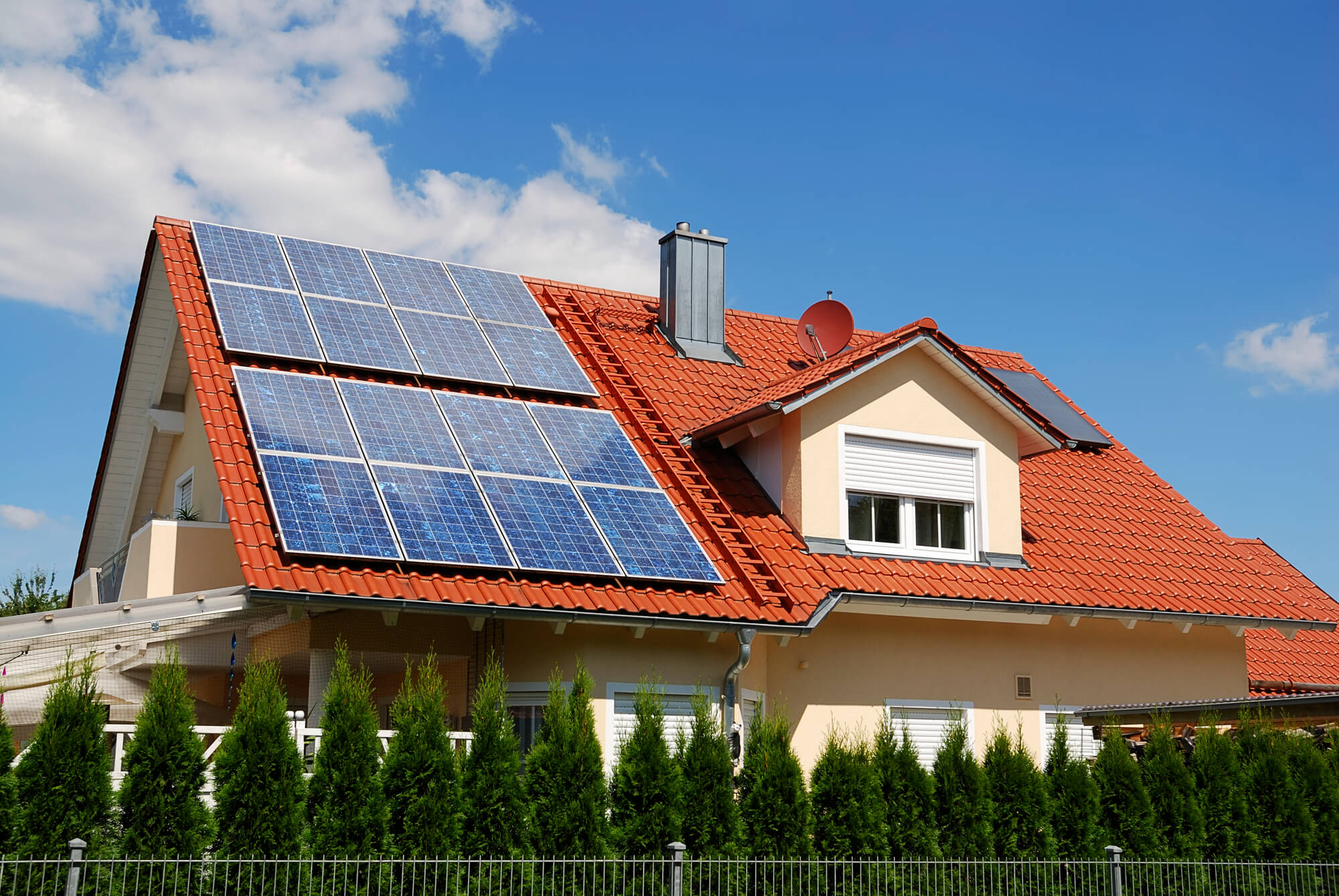
Smart inverters (also called intelligent or advanced inverters) are solar inverters with grid-aware capabilities and two-way communication enabling real-time control and optimization. Unlike traditional string inverters that simply convert DC to AC power, smart inverters actively participate in grid operations, respond to grid signals, and support voltage/frequency management, making them essential technology for modern grid-integrated solar systems.

Smart inverters are increasingly mandated by utilities and grid operators as solar penetration increases. The Federal Energy Regulatory Commission (FERC) 2020 rule and California’s Rule 21 both require or encourage smart inverter functionality for new solar installations. Understanding smart inverter capabilities, benefits, and costs helps homeowners make informed decisions about system design and future compatibility.

What Are Smart Inverters?

Smart inverters are photovoltaic inverters equipped with digital control systems and communication capabilities (WiFi, Zigbee, or cellular) enabling remote monitoring, adjustment, and grid interaction. Unlike traditional inverters that operate passively (converting available DC to AC), smart inverters actively respond to grid conditions and operator commands in real time.

Core Functions of smart inverters include: converting DC power from panels to AC power (standard function), monitoring system performance (voltage, frequency, power output), communicating with grid operators and homeowners, responding to grid signals and commands, and supporting advanced grid services like voltage support and frequency regulation. This comprehensive feature set distinguishes smart inverters from conventional models.

Grid Support Features are what truly set smart inverters apart from traditional models. Smart inverters can reduce output during grid overvoltage events (preventing damage to transformers), increase reactive power output to support voltage stability, and rapidly disconnect during grid faults for safety. These capabilities improve overall grid reliability and resilience while enabling higher solar penetration.

Types of Smart Inverters for Residential Solar

Smart inverter technology is available across several inverter architectures common in residential solar installations, each with distinct advantages and cost structures.

String Inverters with Smart Features are the most common in residential systems. Brands like SMA, Fronius, ABB, and Huawei manufacture string inverters with built-in grid-aware capabilities and communication functions. These units typically cost $1,500–$3,000 installed and serve a single string or small array. Smart features are increasingly standard in new string inverter models released after 2020.

Microinverters with Smart Capabilities (Enphase, Enistream) have intelligence built into each panel’s microinverter, enabling per-panel monitoring and control. Individual panel-level monitoring and control enable rapid response to per-panel shading or faults. Communication occurs via powerline (AC wiring) or wireless mesh networks automatically. Cost: $200–$300 per panel microinverter installed.

Hybrid Inverters with Battery Support and Smart Features combine battery storage with solar control and grid communication. Brands like Tesla (Powerwall), LG, Generac, and Enphase IQ offer hybrid systems with advanced monitoring and grid services capabilities. Cost: $8,000–$15,000 for complete hybrid system with 10–15 kWh storage.

Optimizer-Based Systems (SolarEdge) use power electronics on each panel (optimizers) controlled by a central string inverter. This hybrid architecture provides panel-level monitoring and control while maintaining string inverter cost-efficiency. Cost: approximately $0.20–$0.30 per watt premium vs. standard string inverter systems.

Smart Inverter Capabilities and Benefits

Smart inverters provide several operational and grid-service benefits for homeowners, utilities, and grid operators, creating value across multiple stakeholders.

Voltage and Frequency Regulation automatically adjusts inverter output to support grid voltage and frequency within normal operating ranges. During periods of high solar production (midday summer), inverters reduce output slightly or increase reactive power to prevent voltage rise on distribution circuits. This prevents transformer damage and eliminates need for expensive grid upgrades. Homeowners benefit from uninterrupted system operation; grid benefits from reduced congestion.

Rapid Disconnect During Grid Faults ensures safety for utility workers and equipment. Smart inverters detect abnormal grid conditions (voltage swells, frequency deviations) and disconnect within milliseconds, preventing backfeeding dangerous voltage to utility workers. All modern inverters include this anti-islanding protection, but smart inverters execute it more intelligently, reducing nuisance disconnections during minor grid fluctuations.

Reactive Power Support helps stabilize grid voltage without consuming active power or reducing solar output. Smart inverters inject reactive power (lagging or leading) to dampen voltage oscillations on the distribution circuit. This service improves power quality for all customers on the circuit, reducing voltage sag and flicker.

Time-of-Use Optimization with battery-equipped systems uses real-time electricity price signals to shift charging and discharging schedules automatically. Systems can automatically charge batteries during low-price hours and discharge during high-price hours, maximizing bill savings without homeowner intervention. This requires utility communication and battery storage.

Demand Response Participation allows homeowners to enroll in utility demand response programs. Smart inverters automatically reduce output during grid stress events in exchange for bill credits or rebates ($50–$200 annually). This is non-intrusive and transparent to homeowners.

FERC 2020 Rule and Regulatory Requirements

FERC Order 2020.H (issued 2020) establishes a framework requiring solar inverters to support specific grid functions. While primarily targeting utility-scale systems, the rules influence residential products and may eventually become mandatory for all new installations.

Mandated Functions include voltage/frequency support, anti-islanding, and reactive power capability. Most modern inverters already support these functions; FERC 2020 formalizes and standardizes requirements across all products and manufacturers.

State Implementation varies significantly. California’s Rule 21 (2017) requires new interconnecting solar systems above 2 kW to support voltage/frequency regulation and other functions. This incentivizes smart inverter adoption in California, the largest U.S. solar market. Most other states have not adopted similar requirements yet, though adoption is expected to increase as grid modernization accelerates.

Future Outlook suggests smart inverters will become standard, then required, in all new residential solar systems within 10 years. Early adoption positions homeowners to benefit from increasingly sophisticated grid services and demand response programs that may emerge.

Smart Inverter Monitoring and Control

Monitoring and control capabilities transform solar systems from “set and forget” installations to actively managed assets providing real-time visibility and control. Homeowners gain unprecedented visibility into performance and can optimize operation via smartphone apps or web dashboards.

Real-Time Performance Monitoring via inverter dashboards shows instantaneous power output, voltage, frequency, energy production by date/time, and equipment status continuously. Most systems include daily email summaries and historical trend analysis enabling performance comparisons. Homeowners can identify problems (inverter faults, shading changes) within hours rather than waiting for utility bills weeks later.

Remote Diagnostics and Control allow technicians or utility operators to diagnose problems and adjust settings remotely without site visits. If an inverter malfunctions, manufacturers can often identify and correct the issue without a technician visit, reducing downtime and service costs significantly.

Mobile App Control (Enphase Enlighten, SolarEdge, Fronius, Generac) provides smartphone or tablet control of system settings. Users can monitor production, view alerts, adjust settings, and sometimes manually disconnect systems if needed. App usability varies across brands; some are intuitive, others require technical knowledge.

Integration with Home Energy Management Systems is emerging rapidly. Smart inverters with battery storage can integrate with home energy management platforms (Tesla Powerwall app, Generac PWRview), creating whole-home energy orchestration. These systems can optimize EV charging, HVAC operation, and water heating based on solar production and electricity prices automatically.

Cost-Benefit Analysis of Smart Inverters

Smart inverters cost more than traditional inverters, but benefits may justify the premium in specific situations and geographies.

Cost Differential is modest for string inverters. Smart string inverters typically cost $200–$400 more than non-smart equivalents. For a 5 kW system, this is $40–$80 per kW, or 0.3–0.5% of total system cost. Microinverters inherently include smart features; cost difference vs. traditional microinverters is minimal. Optimizer-based systems add $0.20–$0.30 per watt, or roughly $1,000–$1,500 for a 5 kW system.

Benefit Quantification is harder to assess objectively. Key benefits include: enhanced monitoring (detecting problems earlier), potential participation in demand response programs ($50–$200 annually), future-proofing for grid modernization and potential grid services, and improved system reliability through advanced fault detection. For homeowners prioritizing simplicity and low cost, traditional inverters remain viable. For tech-savvy homeowners or those seeking future compatibility, smart inverters add measurable value.

ROI Timeline depends on utility programs and electricity rates in your region. In states with aggressive demand response programs (California, New York), smart inverter ROI can break even within 5–8 years. In states with minimal programs, payback extends beyond system lifetime. However, grid modernization is accelerating; future programs may increase value retroactively.

Integration with Battery Storage and EV Charging

Smart inverters shine most prominently in hybrid systems combining solar, batteries, and electric vehicles. These integrated systems optimize energy flow across all components, maximizing self-consumption and reducing grid demand dramatically.

Solar + Battery Optimization uses real-time load monitoring and electricity prices to charge batteries when excess solar is available or when prices are low, and discharge during high-price periods or grid stress. Smart algorithms can predict next-day weather and electricity prices, optimizing decisions 24 hours ahead. This optimization can reduce electricity costs by 15–25% compared to simple time-of-use shifting.

EV Charging Integration leverages solar production and battery storage to reduce EV charging costs substantially. Smart systems can automatically charge EVs during peak solar hours or shift charging to low-price hours. Some systems support Vehicle-to-Home (V2H) functionality, allowing EV batteries to power the home during outages or peak-price periods.

Whole-Home Microgrid Capability emerges when solar, battery, EV, and home loads are all smart-controlled. These systems can optimize all energy flows simultaneously, achieving maximum efficiency and resilience. This capability is still emerging but increasingly important as home electrification accelerates and grid demands evolve.

Challenges and Limitations

Smart inverters are not without drawbacks. Cost, complexity, cybersecurity, and data privacy are valid concerns for some homeowners and should be carefully considered.

Cost Premium for smart capabilities ranges from negligible to significant depending on system type and configuration. For grid-only applications (no battery), the cost premium is small; for hybrid or microinverter systems, premiums are more substantial. Cost should be weighed against perceived benefit and long-term value.

Cybersecurity Risks increase with any internet-connected device on your home network. Inverter manufacturers are addressing security through encryption and regular firmware updates, but risk remains. Homeowners should understand that smart inverters are networked devices and update firmware regularly.

Data Privacy Concerns exist when inverter data (production, consumption) is transmitted to manufacturers or utilities for analysis. Read privacy policies carefully; some allow data aggregation and sale to third parties. This is particularly concerning for homeowners valuing privacy.

Complexity and Support increase with smart features, potentially requiring specialized service. Troubleshooting smart inverters may require technical knowledge beyond traditional system service. Ensure your installer is knowledgeable and provides adequate training on system operation.

Frequently Asked Questions

Do I need a smart inverter for my residential solar system?

Not absolutely required, but smart inverters are increasingly recommended for new systems. If you plan to add battery storage, participate in demand response programs, or live in a state mandating smart features (California), smart inverters are beneficial. For simple grid-tied systems in states without regulations, traditional inverters are adequate and less expensive. Consider future-proofing: grid modernization will favor smart systems long-term.

What is the cost difference between smart and traditional inverters?

For string inverters, smart models cost $200–$400 more than traditional equivalents. For a 5 kW system, this represents 0.3–0.5% system cost difference. Microinverters and optimizer-based systems have larger cost premiums but include smart features as standard. Overall system cost impact is modest.

Can I add smart features to an existing inverter?

Not directly. Smart features are built-in; you cannot retrofit them to traditional inverters. However, you can replace your traditional inverter with a smart model if desired, costing $1,500–$3,000 plus installation labor. This is often done when replacing failed inverters near end-of-life anyway.

Do smart inverters help with demand response and time-of-use optimization?

Yes, smart inverters (especially with battery storage) enable automatic demand response and time-of-use optimization. Systems can automatically reduce output during grid stress or charge/discharge batteries based on electricity prices. This requires utility program enrollment and may generate $50–$200 annual savings or credits.

Summing Up

Smart inverters represent the evolution of solar technology toward grid-integrated, actively managed systems providing enhanced control and grid support. While not mandatory for basic grid-tied solar, smart inverters provide enhanced monitoring, grid support, and future compatibility. As grid modernization accelerates and demand response programs expand, smart inverter adoption will increase substantially.

For homeowners considering solar with battery storage, EV charging integration, or long-term planning beyond 10 years, smart inverters are worth the modest cost premium for future flexibility. Contact Solar Panels Network USA at (855) 427-0058 for consultation on smart inverter systems optimized for your home and regional grid requirements and opportunities.

Updated