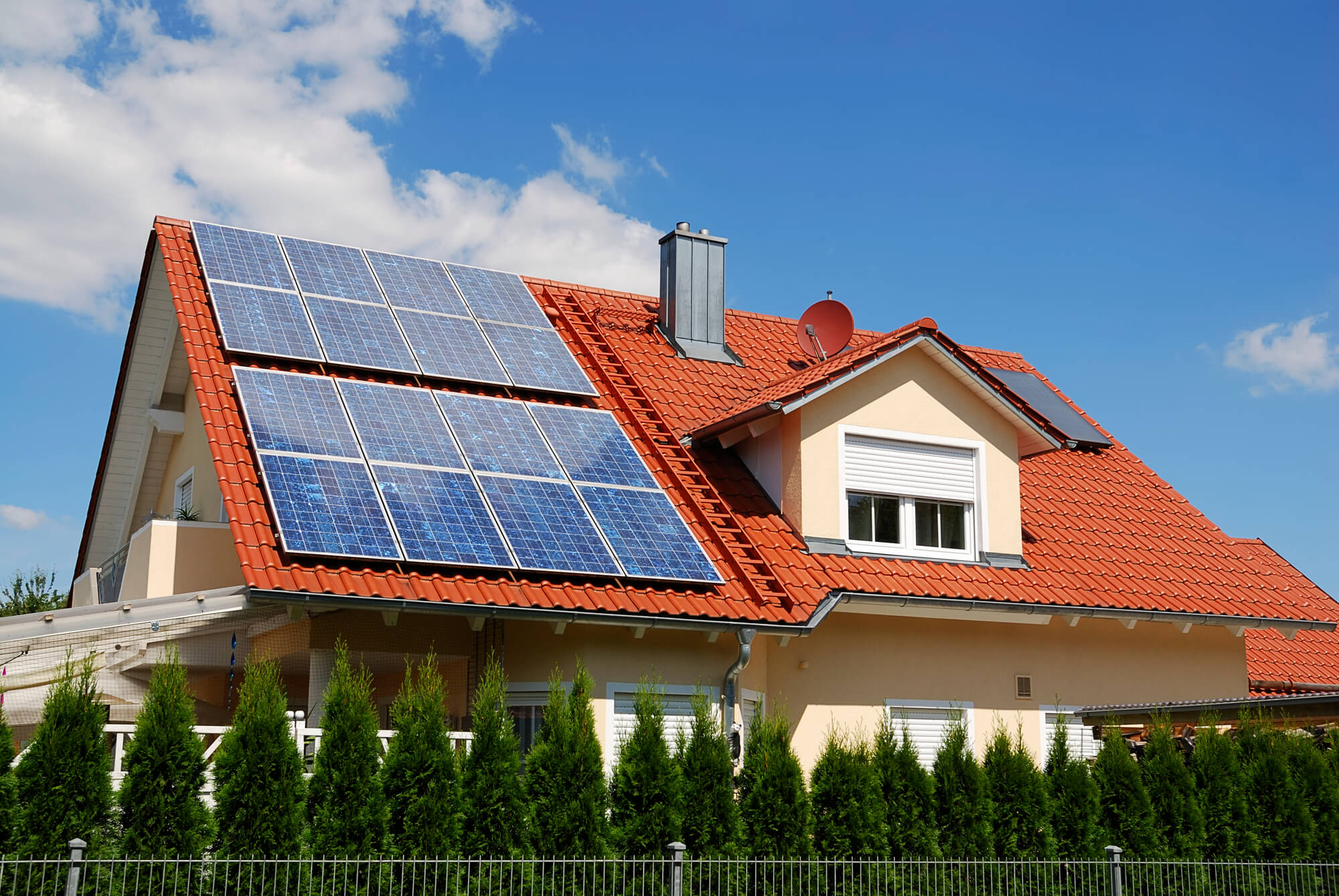

Solar technology offers two distinct applications for swimming pools: thermal solar heaters that directly warm pool water, and photovoltaic panels that power pool pumps and filtration systems. Many pool owners use both technologies in combination—solar thermal heaters for temperature, and PV panels to power the circulation pump—creating a complete solar pool system that can reduce energy costs by 70–90%. Understanding which technology addresses which need helps optimize your pool’s efficiency and environmental impact.
Whether you’re heating a pool, powering circulation, or both, solar solutions exist for every pool size and climate.
Contents
- 1 Two Solar Technologies for Pools
- 2 Solar Thermal Heating: Temperature and Season Extension
- 3 Powering Pool Pumps with Photovoltaic Panels
- 4 Combining Thermal + PV for Maximum Benefit
- 5 Installation and Maintenance Considerations
- 6 Environmental and Financial Benefits
- 7 Frequently Asked Questions
- 8 Summing Up
Two Solar Technologies for Pools
Solar Thermal Heaters — Use direct heat transfer to warm pool water. Collectors on the roof or ground circulate water through heated panels and return it warmed to the pool. See our detailed guide: “How Do Solar Pool Heaters Work?” for complete information on thermal systems.
Photovoltaic (PV) Panels — Generate electricity to power the pool pump and filtration system. A typical pool pump draws 0.5–2.0 kW depending on size; solar PV can fully power this load during the day.
Each technology solves a different problem. Thermal heaters solve “how do I warm the pool?” PV panels solve “how do I power the pump efficiently?”
Solar Thermal Heating: Temperature and Season Extension
Solar thermal pool heaters are the most cost-effective solar investment for pools. They directly convert sunlight to heat with 60–85% efficiency (compared to 15–22% for photovoltaic panels), and they require no inverters or complex electronics.
System Sizing — The collector area should equal 50–100% of your pool’s surface area. A 400-square-foot (20′ x 20′) pool needs 200–400 square feet of thermal collectors. Larger arrays reach target temperatures faster and maintain warmth on cloudy days.
Temperature Impact by Climate:
| Climate | Heating Impact | Season Extension | Best Use |
|---|---|---|---|
| Warm/Subtropical (AZ, CA, FL, TX) | +10–15°F average | Year-round or 8–10 months | Eliminate gas heating |
| Moderate (Mid-Atlantic, Midwest, Pacific NW) | +7–10°F average | May–September primary season | Reduce gas heating 50–80% |
| Cool/Northern (New England, Great Lakes, Mountain) | +5–7°F average | June–August peak, extend shoulders | Supplement electric/gas heater |
Cost Savings — A 10,000-gallon pool typically spends $300–500 annually on gas heating during the season. Solar thermal can cut this by 70–90%, paying for itself in 6–20 years depending on system size and climate.
Installation Costs — $1,500–$8,000 for a complete thermal system including collectors, control valve, plumbing, and labor. Larger systems cost more; coastal installations with premium materials cost more. Payback periods improve in warm climates with high gas prices.
Powering Pool Pumps with Photovoltaic Panels
A typical pool circulation pump runs 8–12 hours daily (or continuously in warm climates). This is a significant electricity consumer—often $50–150 monthly during swimming season.
Pump Power Requirements
- Small/above-ground pools (5,000–10,000 gal) — 0.5–1.0 kW pump. 2–4 kW solar array needed to fully power.
- Medium in-ground pools (10,000–20,000 gal) — 1.0–2.0 kW pump. 4–8 kW solar array needed.
- Large in-ground/commercial pools (20,000+ gal) — 2.0–5.0+ kW pump. 8–15+ kW solar array needed.
Partial vs. Full Power — You don’t need to power 100% of the pump with solar. Sizing a system to cover 70–80% of the pump load provides meaningful cost savings while keeping system size and cost reasonable. Grid supply covers shortfalls during cloudy days and evening hours.
Smart Pump Controllers — Modern variable-speed pool pumps can be programmed to run at peak output during peak sun hours (10 AM–3 PM when solar production is highest), then reduce speed in morning and evening. This improves solar utilization efficiency significantly.
Cost and Payback — A 5 kW PV system for a pool pump costs $8,000–$12,000 installed. Annual electricity savings are typically $400–800 (depending on local rates and sun exposure). Payback is 10–15 years, potentially accelerated by federal Investment Tax Credit (30% through 2032) and state rebates.
Combining Thermal + PV for Maximum Benefit
The most efficient pool solar system uses both technologies:
Thermal Heater + PV Pump System
- Solar thermal collectors heat the pool water
- PV panels power the circulation pump that moves water through thermal collectors and filters
- Combined system reduces gas/electric heating by 70–90% and electricity consumption by 50–80%
Synergy Benefits — The pump powered by PV doesn’t consume grid electricity, so all electrical cost savings multiply with thermal cost savings. A pool that historically cost $600–800 annually in heating and electricity might drop to $100–200.
System Sizing Example: 15,000-Gallon In-Ground Pool
- Thermal collector area: 250–300 square feet (saves $300–400 on heating)
- PV panels: 5 kW system (saves $400–600 on pump electricity)
- Combined savings: $700–1000 annually
- Combined cost: $12,000–$18,000 installed
- Payback period: 12–18 years (less with incentives)
Installation and Maintenance Considerations
Roof Space Requirements — Both thermal and PV systems need roof space. Many pools don’t have sufficient roof area for both systems. Ground-mounted options exist (thermal arrays on deck racks, PV on ground frames) but cost more and take patio space.
Pool Equipment Access — Thermal systems require plumbing integration with the filtration system. This should be done by a licensed contractor familiar with pool hydraulics. PV systems are electrically independent and integrate via standard electrical conduit.
Thermal System Winterization — In cold climates, thermal systems must be drained before freezing temperatures arrive to prevent pipe rupture. This annual winterization adds $100–300 in maintenance costs or requires DIY effort.
PV System Monitoring — PV systems generate electricity continuously (no maintenance needed beyond occasional panel cleaning). Most systems include monitoring showing real-time and historical production via mobile app or web portal.
Cleaning — Both thermal and PV systems perform better when clean. Dust, pollen, and bird droppings reduce output. Annual or semi-annual cleaning (pressure wash or soft brush) maintains efficiency. Professional cleaning costs $100–200 per system visit.
Environmental and Financial Benefits
CO2 Reduction — A 10,000-gallon pool using solar thermal heating and PV-powered pump can reduce CO2 emissions by 5,000–8,000 pounds annually compared to gas heating and grid-powered pump. This is equivalent to planting 100+ trees annually.
Federal Investment Tax Credit (ITC) — The 30% federal ITC (through 2032) applies to both solar thermal and PV systems for pools. This reduces upfront cost significantly. A $15,000 system qualifies for $4,500 federal tax credit, lowering net cost to $10,500.
State and Utility Incentives — Many states offer additional rebates for solar pool systems. Some utilities offer time-of-use (TOU) rate discounts for shifting pool pump operation to off-peak hours. Check your utility’s website or your state’s energy office for current programs.
Frequently Asked Questions
Can a solar PV system power a pool heater?
Technically yes, but not practically. Electric resistance heaters draw 5–15 kW continuously, requiring a 15–30 kW solar array—far larger and more expensive than needed for most homes. This is why solar thermal heaters exist: direct heat transfer is 4–5x more efficient than PV-powered resistance heating. Use thermal heaters for temperature; use PV for pumps.
How much pool heating do I need in my climate?
This depends on your target temperature, climate, and season. Southern pools might aim for 80–85°F year-round; northern pools might target 75–80°F May–September. Ask yourself: what months do you swim? How warm must the water be for comfort? Warmer targets and longer seasons require larger thermal arrays.
What’s the best orientation for thermal collectors?
South-facing (true south or within 15° east or west) is optimal in the Northern Hemisphere. Roof pitch of 30–40° (matching latitude) maximizes seasonal performance. East or west-facing reduces winter output but may be necessary if south-facing roof space is unavailable or shaded.
Can floating solar panels heat a pool?
Floating solar thermal arrays exist but are less common than roof-mounted systems. They’re useful when roof space is unavailable or inadequate. Cost is similar to roof systems, but installation is more involved (floating raft maintenance, anchoring).
Does the federal ITC apply to my pool solar system?
Yes, both solar thermal and PV systems for pools qualify for the 30% federal ITC through 2032, provided the system generates electricity or captures thermal energy for the home (pool qualifies as part of home energy systems). You must own the system (leases don’t qualify). Consult a tax professional for specifics.
Summing Up
Solar technology offers proven solutions for reducing pool energy costs and environmental impact. Solar thermal heaters provide the best cost-effectiveness for heating, while PV panels efficiently power circulation pumps. Combined, they create a comprehensive solar pool system that can reduce annual energy costs by $500–1,000 or more, pay for itself in 10–18 years, and eliminate thousands of pounds of annual CO2 emissions.
The 30% federal ITC through 2032 significantly reduces upfront costs, and state/utility incentives may provide additional savings. In warm, sunny climates, solar pool systems pay for themselves particularly quickly.
If you’re considering solar for your pool or home, Solar Panels Network USA can design a system customized to your pool size, climate, and energy goals. Our team provides comprehensive assessments of thermal and PV options, calculates expected savings, and applies available incentives. Call (855) 427-0058 for a free consultation and custom solar proposal for your pool.
Updated