Solar Panels on Historic Buildings: A Preservation Guide for 2026

Solar Panels on Historic Buildings: A Preservation Guide for 2026

Installing solar panels on historic buildings is challenging but increasingly achievable. The key lies in thoughtful planning, innovative solutions, and working closely with preservation authorities to ensure your system respects the building’s architectural character while delivering clean energy savings.

Recent developments, including updated guidance from Historic England and advances in solar shingles and building-integrated photovoltaic (BIPV) technology, have opened new possibilities for heritage properties. If your home is listed or located in a historic district, you’ll need to navigate additional regulations—but the payoff is substantial, with historic buildings often seeing significant energy savings and carbon reductions.

Understanding Historic Building Restrictions

Historic properties face stricter rules than standard residential homes. Your solar project will require approval from local planning authorities, and in many cases, you’ll need a Certificate of Appropriateness or similar permission before installation can begin.

The Secretary of the Interior’s Standards for Rehabilitation provide the framework for most decisions. They require that any solar installation will not negatively impact the historic character of the property. This means panels must be placed where they’re least visible, or solutions must be designed to blend seamlessly with the building’s aesthetics.

Common approval-blocking scenarios include placing panels on street-facing roofs, using materials that clash with the building’s original design, or mounting systems that damage historic fabric.

Placement Strategies for Historic Properties

The most successful historic solar installations use back-of-roof or hidden placement strategies:

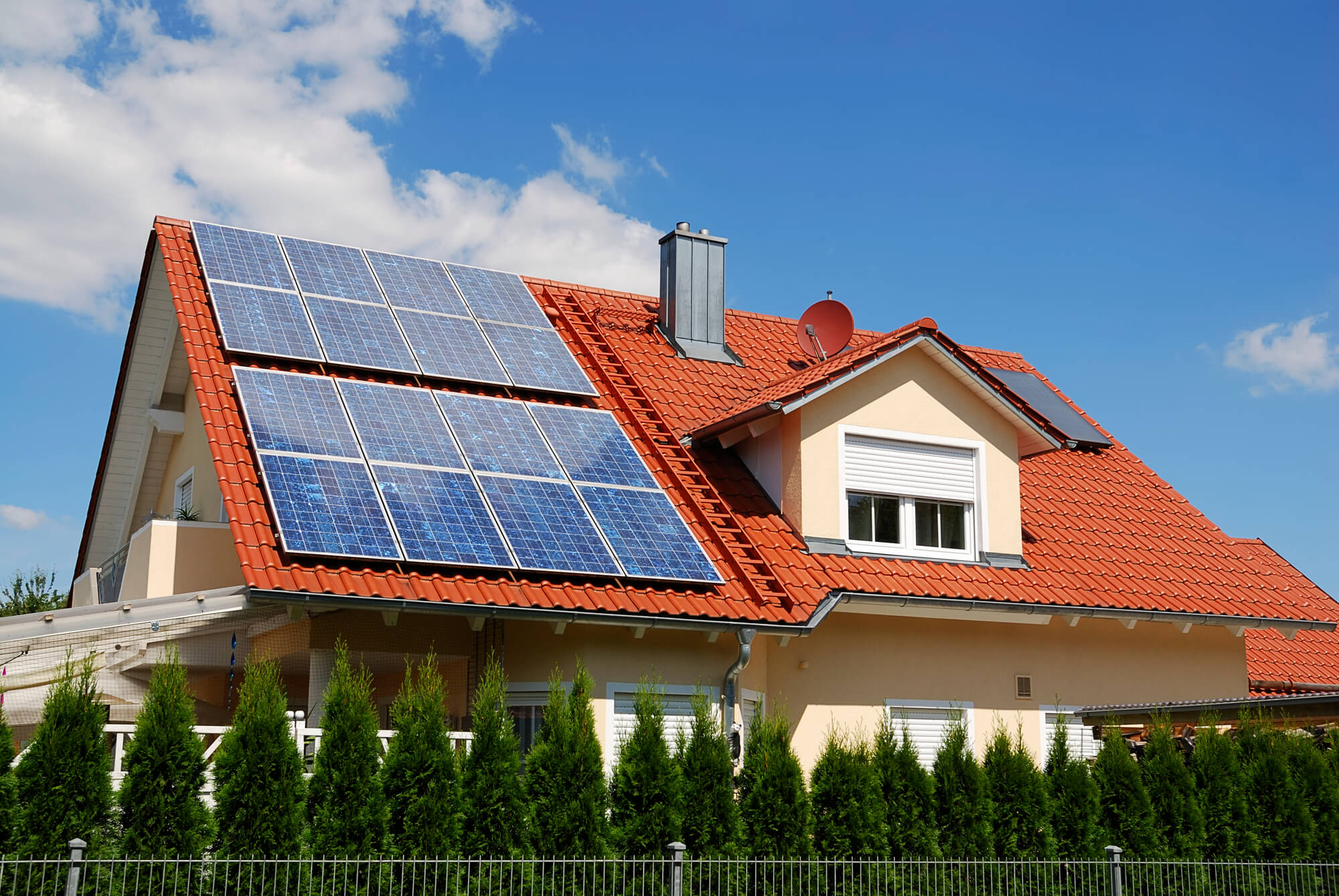
  • Roof slope orientation: Install panels on the side of the roof facing away from the street, where they won’t be visible from public view.
  • Flat roof placement: Historic buildings with flat roofs often allow racking systems that place panels above the roof line but hidden from street view.
  • Ground-mounted systems: Place arrays in a backyard or garden where they’re out of sight and won’t alter the building’s profile.
  • Carport or pergola mounting: Create a functional structure that houses panels while serving another purpose.

Aesthetic Solutions: Solar Shingles and BIPV Technology

Solar shingles and building-integrated photovoltaics (BIPV) now offer historically sensitive options that traditional framed panels cannot match.

Solar shingles and tiles mimic traditional roofing materials and can blend seamlessly with a building’s existing roof. They come in multiple colors, including options for green oxidized copper and terracotta to match distinctive historic roofs.

BIPV technology integrates solar cells into building materials themselves—including windows, facade panels, and skylights. This allows for discreet rooftop solar integration while maintaining the building’s visual integrity. Modern BIPV systems now support buildings with distinctively colored roofs that previously seemed incompatible with solar.

While these solutions cost 10-30% more than traditional panels, many homeowners find the added expense justified by the ability to move forward with their solar project while respecting historic guidelines.

The Permit and Approval Process

Historic building solar projects follow a multi-step approval pathway:

Step 1: Consult Your Local Historic Preservation Officer

Before investing in design work, contact your local preservation authority. They can advise on whether your specific building has restrictions and what solutions are most likely to be approved.

Step 2: Work with a Solar Installer Experienced in Historic Properties

Not all installers understand historic preservation rules. Seek companies with experience on listed buildings—they’ll propose designs that balance energy goals with heritage protection.

Step 3: Obtain Design Approval

Submit your proposed solar design to the preservation authority for review. This may require architectural drawings, visual impact studies, and justifications for your placement and technology choices.

Step 4: Standard Permits

Once historic approval is granted, proceed with standard electrical and building permits, plus utility interconnection applications.

Real-World Example: Bath Abbey

Researchers found that installing solar panels on the Grade I listed Bath Abbey could save approximately 10 tonnes of CO2 per year. This demonstrates the environmental value: even on iconic heritage buildings, solar can significantly reduce carbon footprint while being integrated respectfully.

Energy Savings and Incentives

Historic buildings often have older electrical systems and higher baseline energy costs, making solar ROI attractive. A typical 5-8 kW system installed on a historic property provides:

  • Annual electricity production: 6,500-9,000 kWh (varies by region and sun exposure)
  • Annual bill reduction: $780-$1,440 (at average US rates of 14¢/kWh)
  • 25-year savings: $20,000-$40,000 before incentives
  • Federal Investment Tax Credit: 30% of total system cost through 2032

The 30% federal ITC applies to historic properties just as it does to other residential homes. If your system costs $15,000, you can claim a $4,500 tax credit in the year you place the system in service.

Frequently Asked Questions

Can I install solar panels on a National Register listed property?

Yes, but you’ll need approval from your State Historic Preservation Office (SHPO). The key requirement is that the system doesn’t negatively impact the building’s historic character. Hidden placement and BIPV solutions are typically easier to approve.

What if my historic home is in a local landmark district but not on the National Register?

Local historic districts often have their own design guidelines. Contact your local preservation commission or architectural review board early in the planning process to understand their specific requirements.

Do historic properties qualify for the same tax credits and rebates?

Yes. The 30% federal Investment Tax Credit applies to all residential solar systems through 2032, regardless of whether the home is historic. Check your state and local programs for additional incentives.

How much more expensive is a historic-compliant solar installation?

It depends on your solution. Hidden roof placement costs the same as standard installation. Solar shingles cost 20-30% more than conventional panels. BIPV window or facade systems are the most expensive option. Consulting with your preservation officer before design work helps you avoid costly redesigns.

Will solar panels damage my historic roof?

Modern racking systems use non-penetrating mounts or flashing designs that protect the roof’s integrity. Discuss roof protection with your installer. If your roof is aged or weakened, coordinate solar installation with roof replacement to avoid future decommissioning costs.

Summing Up

Historic buildings deserve both preservation and modernization. Solar panels, when thoughtfully designed and properly placed, can cut energy costs and carbon emissions without compromising architectural heritage. Start by consulting your local preservation authority, work with experienced installers, and explore aesthetic solutions like solar shingles if street-facing placement is unavoidable.

The 30% federal Investment Tax Credit through 2032 makes this an attractive time to move forward. Many heritage organizations now actively encourage solar adoption on historic properties, recognizing that preservation and sustainability go hand in hand.

Ready to explore solar for your historic home? Call Solar Panels Network USA at (855) 427-0058 for a free consultation. Our installers have experience with historic properties and can discuss placement options that respect your building’s character.


Updated