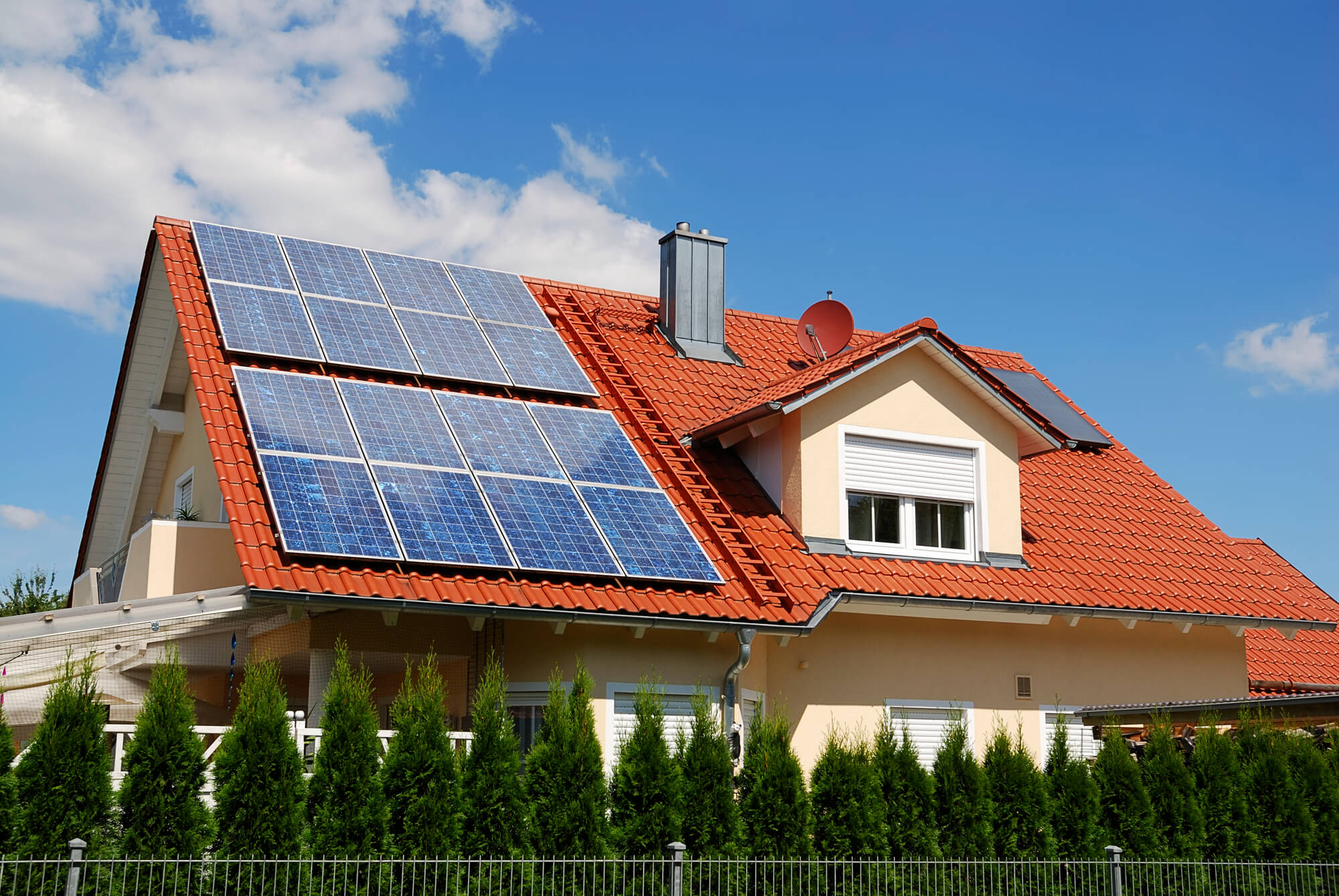
Solar panel technology has evolved dramatically in recent years, with manufacturers continually seeking to simplify installation and maximize energy capture. One innovation gaining attention is the development of all-in-one solar panels with integrated battery technology built directly into the module itself. These integrated systems promise easier installation, better aesthetics, and improved energy storage while reducing wiring complexity and component count.

However, solar panels with built-in batteries are not yet widely available to residential consumers as a standard product. This guide explores the current state of integrated solar battery technology, why manufacturers are developing it, when you can expect to buy these systems, and how they might differ from traditional separate solar plus battery setups.

What Are Solar Panels With Built-In Batteries?

Integrated solar panels with built-in batteries combine photovoltaic cells and energy storage in a single module, eliminating the need for a separate battery cabinet and reducing electrical interconnection complexity. The concept is theoretically simple: incorporate battery cells or supercapacitors directly within the panel frame or backing, creating an all-in-one energy generation and storage device.

In practice, this is challenging due to thermal management issues. Batteries and solar cells both generate heat and have optimal operating temperature ranges. When combined in close proximity, each component’s heat can degrade the other’s performance. Solar cells operate more efficiently when cooler, while most battery chemistries (particularly lithium-ion) face degradation risks from elevated temperatures. This thermal coupling problem is the primary engineering obstacle manufacturers face.

Current prototypes and limited commercial offerings typically use one of three approaches: thermally insulated compartments separating cells and batteries, passive cooling through materials science, or active cooling systems that add weight and complexity. None have achieved widespread adoption yet.

Why Manufacturers Are Developing Integrated Solar-Battery Panels

Several compelling reasons drive manufacturers to develop integrated solar battery systems despite engineering challenges. First is space efficiency. Rooftop square footage is limited on residential homes. A single integrated panel occupies less roof space than separate solar modules plus a ground-mounted or wall-mounted battery cabinet. For space-constrained properties, integrated systems could enable storage installation where dedicated battery systems wouldn’t fit.

Second is installation simplicity. Traditional systems require electrical conduit runs between roof-mounted panels and an indoor inverter plus battery system. This requires multiple licensed electricians, trenching (for ground-mounted systems), and complex wiring coordination. Integrated panels could reduce installation labor, permitting complexity, and overall system cost. Simpler installation also reduces points of failure in electrical connections.

Third is manufacturing consolidation and reduced component count. A single integrated product is simpler to manufacture at scale than coordinating multiple suppliers’ panels, inverters, and batteries. Manufacturers see opportunity to capture more margin and control the entire customer experience from a single product line.

Fourth is the residential battery storage market’s explosive growth. As more homeowners adopt battery systems (driven by grid reliability concerns and time-of-use electricity rates), manufacturers want to participate in this lucrative market. Integrated systems offer a way to enter residential storage without building battery factories or acquiring battery companies.

Current Products and Technology Timeline

As of 2026, integrated solar-battery panels are extremely limited in availability. A few companies have announced prototypes or early commercialization, but none have achieved mass-market adoption or widespread residential availability.

Tesla has explored integrated approaches through its Solar Roof product, which combines solar generation with integrated battery capability in some configurations. However, Solar Roof remains a premium, custom-engineered product rather than a standardized plug-and-play panel. Installation is complex and expensive, with limited availability in select markets.

Sunwallet (a startup) has prototyped integrated panels with built-in battery cells, targeting commercial and utility applications rather than residential rooftops. Their approach uses supercapacitors rather than lithium-ion batteries, which avoids some thermal management issues but provides very limited energy storage capacity compared to batteries.

Most major solar manufacturers (First Solar, Canadian Solar, JA Solar, Trina, etc.) continue developing separate panel and battery products rather than integrated systems. This reflects the genuine technical difficulty of integrating these products at acceptable cost and reliability.

Timeline expectations: meaningful residential availability of integrated solar-battery panels is likely 3-5 years away (2029-2031), assuming companies continue development investment. The first products will likely be premium-priced and available in limited markets. Mass-market standardized products with pricing competitive to separate systems may not arrive until mid-2030s.

Integrated vs. Separate Systems: Pros and Cons

Understanding the tradeoffs between integrated and traditional separate solar plus battery systems helps you make decisions today and prepares you for future technology options.

Integrated Systems Advantages

  • Space efficiency: Single rooftop footprint vs. both rooftop panels and ground/wall battery cabinet
  • Simpler installation: Fewer electrical connections, potentially one contractor instead of coordinating multiple specialists
  • Better aesthetics: No visible battery box on the side of house or in garage
  • Manufacturing efficiency: Single product line reduces complexity and potential cost at scale
  • Integrated optimization: Manufacturer can optimize charging/discharging algorithms specifically for integrated hardware

Integrated Systems Disadvantages

  • Unproven technology: Limited real-world performance data and long-term reliability track record
  • Limited choice: Few vendors means limited options for capacity, specifications, or warranties
  • Higher cost: Premium pricing for novel technology; unlikely to be cheaper than separate systems initially
  • Difficult upgrades: If you want to add more storage capacity, you’d need to replace panels rather than add battery modules
  • Thermal complexity: Engineering tradeoffs between battery lifespan and solar efficiency not yet optimized
  • Warranty concerns: If either component fails, unclear whether entire panel replacement is required

Separate Systems Advantages

  • Proven reliability: Thousands of installations with long performance track record
  • Massive choice: Hundreds of panel options, dozens of battery brands, multiple inverters
  • Competitive pricing: Mature market with healthy competition keeps costs down
  • Flexible expansion: Add more panels or batteries over time to match your changing needs
  • Component-level repairs: If one component fails, replace only that component, not the whole system
  • Technology agnostic: Mix Tesla batteries with SunPower panels with Enphase inverters if you choose

Separate Systems Disadvantages

  • Space requirements: Both rooftop and ground/wall space needed for battery cabinet
  • Complex installation: Multiple contractors, numerous electrical permits, longer timeline
  • Aesthetic impact: Battery cabinet on side of house or garage may not appeal to all homeowners
  • Coordination risk: Multiple vendors means potential finger-pointing if system underperforms

Should You Wait for Integrated Solar-Battery Panels?

Unless you have severe space constraints making traditional solar plus battery systems impossible, there’s no strong reason to wait for integrated products. Here’s why:

First, current separate solar and battery systems are mature, proven, and competitively priced. You can install today and lock in 30% federal tax credit (available through 2032) plus state and local incentives available now. Waiting risks these incentives expiring or being reduced.

Second, solar panels degrade about 0.5% per year and provide excellent performance for 25-30 years. Battery systems are warrantied for 10-15 years. If you install in 2026 and integrated products become available in 2029, you’ve captured 3 years of solar production and can add battery storage then if desired. The cost of battery storage is dropping faster than solar panel costs, so waiting for batteries makes more economic sense than waiting for panels.

Third, integrated panels will likely command a price premium for 5+ years after introduction, similar to how new technologies typically price. Waiting means paying more when products finally arrive.

Fourth, your specific needs might not align with early integrated products. Space constraints are the main scenario where integrated systems offer clear advantage, but most residential rooftops can accommodate both traditional panels and a battery cabinet.

The exception: if you’re in a space-constrained urban setting (small roof, no ground space, HOA restrictions on ground-mounted batteries) and you specifically need battery backup, integrated systems might become attractive when available. But this applies to a minority of homeowners.

The Role of Battery Storage in Modern Solar Systems

Whether integrated or separate, battery storage has become increasingly valuable in residential solar. Three trends drive this:

Grid reliability concerns: Climate-driven weather extremes, aging grid infrastructure, and local supply chain disruptions create extended outages in some regions. Battery backup provides resilience, allowing critical loads (refrigerator, medical equipment, communications) to operate during blackouts.

Time-of-use electricity rates: Utilities in California, Texas, and other states charge dramatically different rates at different times (peak rates up to $1+/kWh vs. off-peak rates under $0.15/kWh). Battery systems enable you to charge during cheap hours and discharge during expensive peak hours, dramatically improving economics.

Net metering 3.0 implementation: California and other states are reducing net metering compensation, making battery storage essential to maximize economic returns. Without storage, excess production is exported at poor rates. With storage, excess is used when you’d otherwise buy from grid.

For these reasons, solar-plus-battery systems are rapidly becoming standard rather than premium installations. Integrated products, whenever they arrive, will be competing in a market where separate systems are already ubiquitous and well-optimized.

Frequently Asked Questions

Are solar panels with built-in batteries available now?

Not as a standardized residential product. Tesla Solar Roof has integrated battery capabilities in some configurations, but it’s a custom-engineered premium product. A few startups have prototypes, but mass-market integrated panels are 3-5 years away at earliest.

Will integrated solar panels be cheaper than separate systems?

Not initially. New technologies typically command price premiums for 5+ years after introduction. Integrated panels will likely be 20-40% more expensive than comparable separate systems initially. Long-term (10+ years), manufacturing scale might bring costs down, but that’s speculative.

What companies are developing integrated solar-battery panels?

Tesla (Solar Roof), Sunwallet (commercial/utility scale), and a few research institutions have prototypes. Traditional solar manufacturers (First Solar, Canadian Solar, JinkoSolar) are investing in development but haven’t announced consumer products yet. No major announcement of imminent residential availability.

Why is it hard to integrate solar and batteries?

Solar cells operate better when cool, while lithium-ion batteries degrade if overheated. When combined in close proximity, heat from batteries reduces solar efficiency and heat from solar reduces battery lifespan. Engineering solutions (thermal insulation, passive cooling, active cooling) add cost and complexity.

Should I wait to install solar until integrated panels are available?

No, unless you have severe space constraints. Current separate systems are proven, mature, and cheaper. You’ll capture 3+ years of solar production while waiting. Battery storage is dropping in cost faster than panels, so waiting for panels makes less economic sense. The 30% federal tax credit is available through 2032, but some state incentives may expire sooner.

Can I add battery storage to my existing solar system later?

Yes. Retrofit battery systems are increasingly common and straightforward to install. If you install solar now without battery, you can add a battery system in 2-3 years when costs have dropped further and you better understand your actual energy needs. This is often cheaper than buying integrated products.

Summing Up

Solar panels with fully integrated battery technology remain on the horizon rather than in today’s market. While the technology is attracting serious development investment from Tesla and several startups, meaningful residential availability is likely 3-5 years away, with early products commanding significant price premiums.

For the vast majority of homeowners, installing proven separate solar and battery systems today makes more economic sense than waiting. You’ll capture immediate energy savings, lock in the 30% federal tax credit, and have time to evaluate your actual storage needs before prices rise on emerging integrated products.

Ready to explore solar options for your home? Contact our team at (855) 427-0058 for a free consultation about solar installation with or without battery backup, or visit us at https://us.solarpanelsnetwork.com/ to discover state-specific incentives and financing options.

Updated