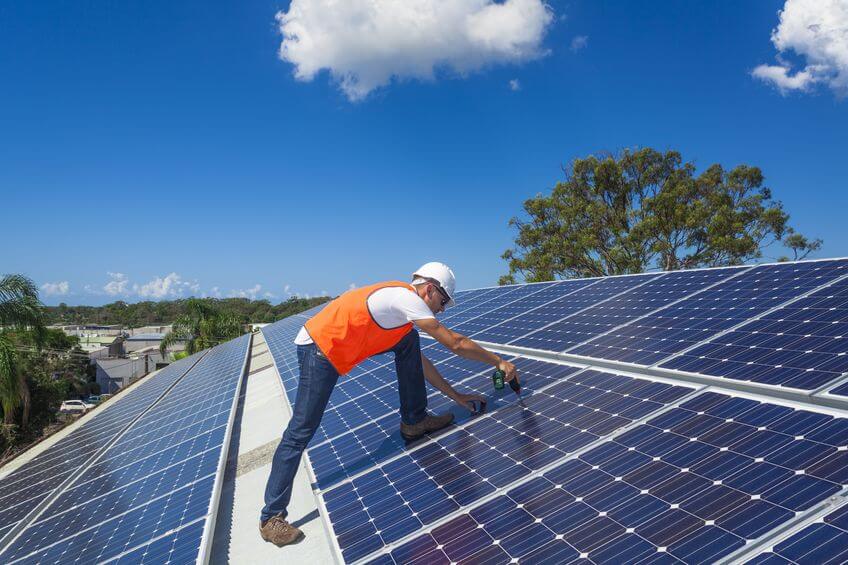
You can’t legally install solar panels without permits. Most municipalities require two permits for a complete solar installation: a building permit for the physical installation and an electrical permit for grid connection. Permitting protects everyone by ensuring your system meets safety codes, structural standards, and electrical safety. This guide covers what permits you need, what documentation they require, and what to expect in cost and timeline.

The good news: Your solar installer handles most of the permitting work for you. The bad news: Permit requirements and costs vary dramatically by location. Understanding what to expect helps you plan your timeline and avoid surprises.

Types of Permits Required

Almost every solar installation needs a building permit (sometimes called a construction permit or oof permit) and an electrical permit. The building permit ensures your roof can structurally support the panels and that the installation meets local building codes. The electrical permit ensures your system is wired safely, grounded properly, and interconnects correctly with the utility grid.

Some jurisdictions combine these into a single permit, while others require separate applications to different departments. A few municipalities add fire safety permits, especially for systems on commercial buildings. If you’re upgrading your electrical service panel or adding a battery system, you may need additional permits.

After installation, most jurisdictions require an inspection where a certified inspector verifies the system meets code. The inspector checks electrical connections, structural attachment, grounding, and equipment specifications. Once approved, you receive a permission-to-operate from the utility before your system goes live.

Documentation You’ll Need

Your solar installer will compile most documentation, but understanding what’s required helps explain timelines and ensures nothing is missed. The permit package typically includes a detailed site plan showing your property, house dimensions, and roof characteristics. Electrical schematics diagram how panels connect to the inverter, combiner box, and main electrical panel. A structural engineering report certifies the roof can safely support the system’s weight and wind loads, specially important in high-wind areas or on older roofs.

Manufacturer specification sheets for all major equipment (panels, inverter, racking, rapid-shutdown devices) must confirm UL certification and code compliance. Some jurisdictions also want proof of installer licensing or training. A roof survey showing pitch, direction, and obstructions helps the inspector verify panel placement matches the plans.

Some municipalities want utility interconnection agreements or proof that you’ve notified the utility of your planned installation. A few require proof that the home’s electrical service is adequate for both your household load and the solar system.

Typical Permit Costs

Residential solar permit costs typically range from $150 to $400 for systems under 10 kilowatts. However, costs vary significantly by jurisdiction. Some municipalities charge a flat fee, while others calculate fees based on system size or estimated cost. A $25,000 solar system in one county might cost $200 in permits while another county charges $800 for the same system.

Larger systems cost more to permit. A 10 kW system might cost $400, while a 20 kW system could cost $800. Some jurisdictions cap permit fees or don’t charge based on system size. A few municipalities waive or significantly discount solar permits to encourage adoption.

Your solar installer can estimate permit costs for your specific address since they work with local jurisdictions regularly. Don’t assume your neighbor’s permit cost applies to your system, different addresses mean different code officials and fee structures.

Permitting Timeline

The typical permitting process takes 2-8 weeks from application to approval. Initial review usually takes 1-2 weeks. If the permit office finds incomplete documentation or code issues, they’ll request corrections, adding 1-2 weeks. Many jurisdictions don’t approve permits without a complete package, so missing one document restarts the clock.

After approval, the inspection usually happens 1-2 weeks after installation is complete. The inspector comes to your home to verify the system matches the approved plans and meets code. Most inspections pass on the first visit; some require minor corrections.

Utilities typically issue permission-to-operate within a few days of the inspection passing, though some take 2 weeks. Plan on 8-12 weeks total from submitting permits to turning the system on, though some streamlined jurisdictions manage it in 4-6 weeks.

If delays happen, the most common cause is incomplete documentation or code deviations needing correction. Request feedback quickly when officials ask for changes, and your installer can resubmit within days rather than weeks.

Code and Safety Standards

All solar installations must comply with the National Electrical Code (NEC), which specifies safe wiring practices, grounding requirements, and equipment standards. Structural standards ensure panels won’t blow off in storms or collapse under ice loads. Local amendments sometimes add stricter requirements for earthquake resistance, hurricane winds, or snow loads in specific regions.

Equipment must be UL-listed (Underwriters Laboratory certified), meaning independent testing confirmed it meets safety standards. Panels, inverters, racking, and disconnect switches must all carry UL certification. Your installer ensures all equipment meets requirements; the inspector verifies this during final inspection.

Rapid shutdown devices are now required in most jurisdictions. These shut down panel voltage within a certain distance of the roof edge if a firefighter needs to access the roof. Modern equipment includes this by default, but the inspector confirms it’s properly installed.

Common Permit Issues and Solutions

Incomplete documentation is the biggest cause of permit delays. Missing roof survey data, manufacturer specs for specific equipment, or engineering reports can restart the approval process. Your installer should verify all documents are included before submission.

Code violations discovered during review usually involve grounding, wiring sizing, or disconnect switch placement. These are typically easy fixes, moving a conduit, upsizing a wire, or repositioning a switch. Your installer can revise plans and resubmit within days.

Structural concerns on older roofs sometimes delay approval. If the inspector questions whether your roof can safely support panels, a structural engineer calculates the load and submits a report. This adds cost ($500-$1,500) and time (1-2 weeks) but usually results in approval.

Utility interconnection delays occasionally happen, especially in remote areas or on older electrical systems. If the utility notes your service panel needs an upgrade before they’ll approve grid connection, budget $1,500-$3,000 and 2-4 weeks for electrical work.

Factors Affecting Your Location’s Permit Requirements

County and city governments set their own permitting rules within state guidelines. Urban jurisdictions often have stricter requirements and longer timelines than rural areas. Coastal areas frequently require hurricane-specific attachment standards. Mountain regions add snow load calculations. Cold-climate areas need ice-melt provisions in some cases.

Some municipalities expedite solar permits to meet state renewable energy goals. Others treat solar like any other rooftop work. If your jurisdiction has a solar program, ask if you qualify for fast-track permitting.

Permitting is easier in states with streamlined solar programs. California, Massachusetts, and New York have adopted standardized permitting to speed approvals. Other states leave it entirely to local jurisdictions, causing huge variations.

How Your Solar Installer Handles Permitting

Quality installers take on all permitting responsibility, they prepare documents, submit applications, manage revisions, and coordinate inspections. You sign documents and provide access to your home for inspection, but the installer leads the process. This is standard in the industry and included in your system cost.

Some installers charge extra for permit expediting if you need faster approval. Others guarantee approval timelines or will cover modest overages. Ask your installer about their permitting process, typical timelines for your jurisdiction, and what happens if approval takes longer than expected.

Frequently Asked Questions

Can I install solar panels without permits?

No. Unpermitted solar violates building code and may void your homeowner’s insurance. Insurance companies can deny claims if you damage the roof with unpermitted installation. The utility will also notice when they see an unpermitted system and may refuse to interconnect it. Always get permits before installation.

Who pays for permits?

Typically, the homeowner pays permit fees as part of the total solar cost. However, most installers include permit costs in their quote, so it’s not an additional surprise. Confirm whether permits are included in your quote before signing.

How much do permits usually cost?

Most residential systems under 10 kW cost $150-$400 in permits. Larger systems cost more. Your specific cost depends on your jurisdiction’s fee structure. Your installer can estimate the cost for your address.

Do all inspectors pass solar installations on first inspection?

Most do. Inspectors focus on basic code compliance: proper grounding, correct wire sizing, secure attachment, and UL-certified equipment. A well-installed system by a licensed installer usually passes on the first visit. Minor corrections are rare.

What if my roof needs upgrade before solar can be installed?

If the inspector determines your roof can’t safely support panels (very rare on homes less than 30 years old), you’ll need roof reinforcement or replacement. This adds cost and timeline. Discuss this with your installer during initial assessment so you’re not surprised later.

Can I start installation before permits are approved?

No. Most jurisdictions prohibit work before permit approval, and violations can result in fines or orders to remove the system. Your installer won’t start work until permits are approved. Plan your timeline assuming permits take 2-8 weeks.

What happens after the inspector approves the system?

You receive a certificate of completion or similar approval document. Your installer submits this to the utility, which then issues permission-to-operate. Once you have utility permission, your system can generate electricity and connect to the grid.

Summing Up

Permitting is a necessary step for all legitimate solar installations. It ensures safety, protects your investment, and prevents insurance issues. Most systems require a building permit and electrical permit, costing $150-$400 and taking 2-8 weeks for approval. Your solar installer handles permitting work, so your role is primarily providing roof access for inspection and signing permit documents.

Don’t rush or skip permits to speed up your installation. The relatively short delay and modest cost protect you far more than they hinder your project. By the time permits are approved and your system is installed, you’ll be generating clean electricity legally and safely.

To find out what solar setup is right for your home, call us free on (855) 427-0058.

Updated