
Renters are often told solar isn’t for them — but that’s no longer true. While you can’t install panels on a roof you don’t own, renters have three practical paths to solar benefits: community solar subscriptions, plug-in balcony panels, and portable solar systems. Each option has different savings potential and setup requirements. Here’s what actually works for renters in 2026.
Why Traditional Solar Doesn’t Work for Renters
Standard rooftop solar installation requires: ownership of the property (or long-term lease with owner permission), structural modifications (roof penetrations for racking), a 20–25 year commitment that outlasts most leases, and a credit application and potentially a loan in the homeowner’s name.
Renters rarely have any of these. Even renters in single-family homes who might have a willing landlord face the practical problem that the landlord — not the tenant — captures most of the financial benefit of a solar installation (through property value increase), while the tenant bears the cost of encouraging or negotiating it.
The good news: solar access for renters has improved dramatically in the past few years, driven by community solar expansion and falling portable panel costs.
Option 1: Community Solar Subscriptions
Community solar (also called “shared solar” or “solar gardens”) lets you subscribe to a share of a solar farm’s electricity output without installing anything on your property. The solar farm is located remotely; your share of its production appears as credits on your regular utility bill each month.
How it works: You sign up with a community solar provider (Arcadia, Clean Energy Collective, Nexamp, Perch Energy, Ampion, Community Energy, and many regional providers). The provider assigns you a share of a nearby solar farm. Each month, your share’s production generates credits that appear on your utility bill, reducing your electricity charges. You still pay your regular utility, but the credits reduce your net bill.
Typical savings: Community solar typically offers 5–15% discount on the portion of your electricity offset by the solar credits. If you subscribe to cover 100% of your usage, you save 5–15% on that portion of your bill.
No upfront cost: Most community solar subscriptions require no upfront payment. You subscribe and receive monthly bill credits from the first production month. Some providers have minimum subscription terms (6–12 months); most allow cancellation with 30–60 days notice.
Availability: Community solar is available in approximately 20+ states with active community solar programs, primarily those with strong renewable portfolio standards. Leading markets include Massachusetts, New York, New Jersey, Maryland, Illinois, Minnesota, Colorado, and Oregon. In states without community solar legislation, options are limited.
Tenant protections: Many community solar programs specifically market to renters and often allow subscription transfer to a new address (within the same utility territory) when you move. This is the biggest practical advantage over any installation-based option for renters who move frequently.
Option 2: Plug-In Balcony Solar Panels
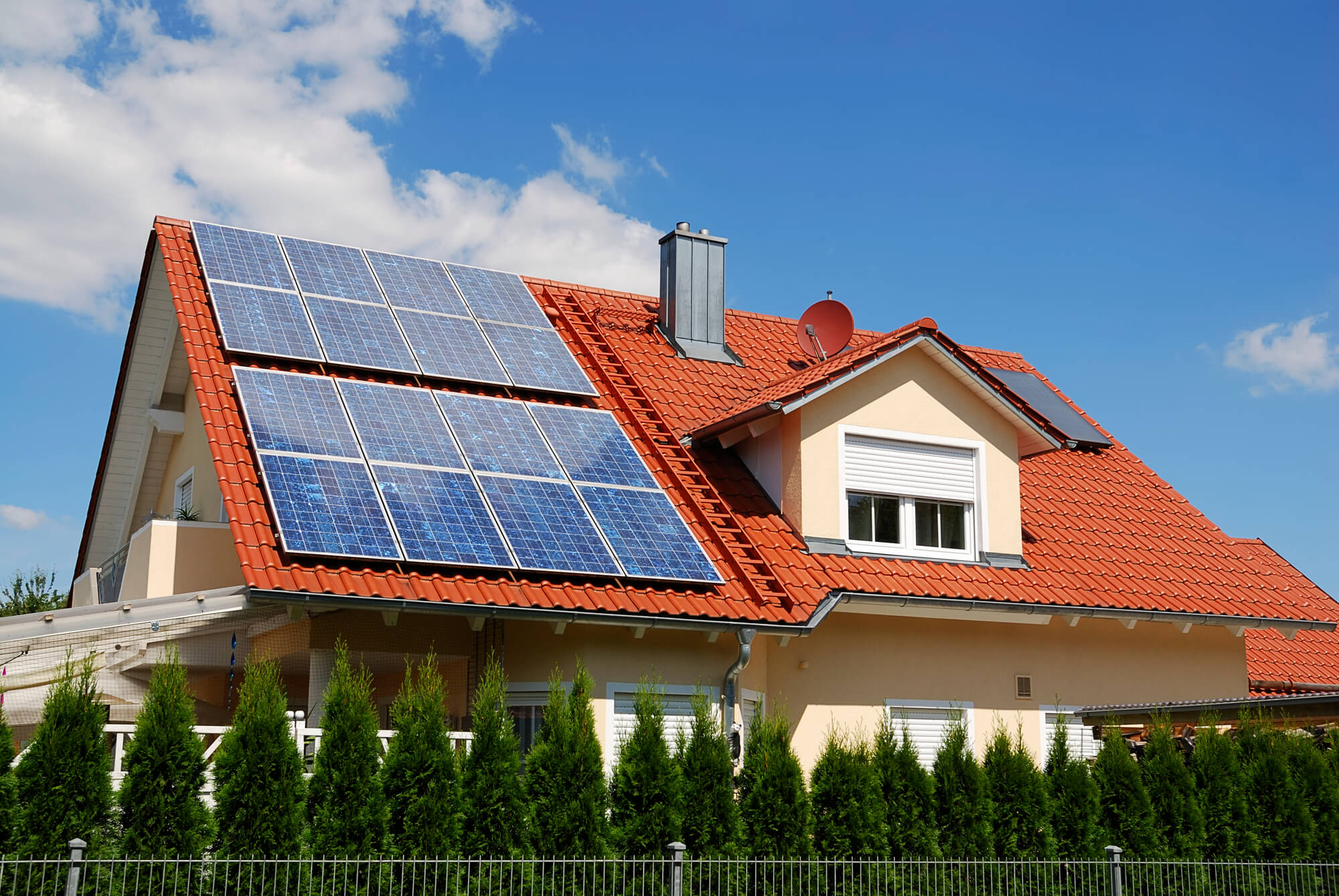
Plug-in solar panels (also called “balcony power stations” or “apartment solar panels”) are small solar systems — typically 200–800W — that plug directly into a standard household outlet through a dedicated micro-inverter. They’re popular in Germany and the EU (where “Balkonkraftwerk” is a recognized product category with regulatory approval) and increasingly available in the US.
How they work: A 200–400W panel or panel pair connects to a micro-inverter that outputs standard 120V AC through a regular plug. When plugged in, the panel “backfeeds” electricity into your home’s wiring, reducing what your meter draws from the grid during daylight hours. Your electric meter (in most cases) tracks the net consumption, and the solar feed offsets it.
US regulatory status in 2026: Plug-in solar is a gray area in many US states. The National Electrical Code (NEC) has been updated to recognize “plug-in inverter” systems (Article 705.45 in NEC 2023), but local utility and jurisdictional approval varies. Some utilities explicitly allow low-wattage plug-in systems; others have rules against unauthorized generation equipment. Check with your utility before installing. If utility rules are unclear, a 200–300W system running during daylight hours is unlikely to cause practical issues even if not explicitly permitted.
Typical output and savings: A 400W system in a location with 4.5 peak sun hours produces approximately 1.8 kWh/day, or 657 kWh/year. At 22 cents/kWh, that’s $145/year in savings. At 30 cents/kWh (New England), it’s $197/year. Systems cost $300–$700, giving payback periods of 2–4 years.
Ideal placement: South-facing or southwest-facing balconies, patios, or rooftop terraces with unobstructed sun exposure. Systems can also be placed on the ground in a yard or mounted on a railing. Portability is a key advantage — take the system with you when you move.
Option 3: Portable Solar Generators
Portable solar generators combine solar panels with a battery power station, providing energy independence for specific loads rather than whole-apartment offset. These are the most flexible option for renters, particularly those who move frequently or live in apartments with limited outdoor solar access.
Use cases: Powering specific high-cost loads (laptop, phone charging, fan, small appliances) from solar, reducing dependence on grid electricity for those items. Emergency backup power. Off-grid use at campgrounds, job sites, or during travel.
Popular products: EcoFlow DELTA 2 Max (2 kWh, 2,400W AC output, $1,199), Jackery Explorer 2000 Pro (2 kWh, 2,200W AC output, $1,499), Bluetti AC200Max (2.048 kWh, 2,200W, $1,399). Paired with 200–400W portable panels ($150–$400), these systems charge from solar during the day and power devices overnight.
Savings potential: Lower than community solar or plug-in systems for whole-apartment offset, but meaningful for targeted loads. Powering a laptop (45W), phone, and LED lighting from a solar generator can reduce grid consumption by 1–2 kWh/day, saving $80–$220/year at current rates.
Talking to Your Landlord About Solar
If you rent a single-family home or have a landlord receptive to building improvements, there’s a path to actual rooftop or ground-mounted solar that benefits both parties:
Landlord-owned, tenant-benefiting: Landlord installs solar, tenant pays a reduced electricity rate in lieu of market utility rates, landlord captures property value increase and any state incentives. This arrangement requires negotiation and a formal addendum to the lease.
Tenant-owned, landlord-permitted: Some states have “tenant solar” laws allowing tenants to install solar with landlord permission, with removal required at lease end. In this case, the tenant owns the system (and gets state incentives and savings) and must remove it upon moving. This works better for longer-term tenants in single-family homes.
Green lease addendums: Energy efficiency organizations like USGBC and some state energy offices have developed “green lease” templates that share energy improvement costs and savings between landlords and tenants. These are more common in commercial real estate but occasionally applicable to residential rentals.
Choosing the Right Option for Your Situation
If you rent an apartment: Community solar (if in an eligible state) gives the best savings with no installation. Plug-in balcony panels work if you have outdoor space and utility permission. Portable generators are useful for backup power and specific loads.
If you rent a house or have outdoor space: Community solar for bill savings plus a plug-in panel system or portable generator for backup power covers most renter solar needs. In some states, tenant solar legislation may allow ground-mounted systems with landlord consent.
If you’re planning to buy a home in 2–4 years: Community solar or a portable system makes sense now. When you own, a rooftop installation with a licensed installer gives the best long-term savings and ROI.
Frequently Asked Questions
Can renters get the solar tax credit?
The federal Section 25D residential solar credit expired December 31, 2025 for homeowners — and it only applied to owned systems on owned (or long-term leased) properties anyway. Community solar subscribers and plug-in panel users don’t qualify for this credit. Some states have community solar credits or renewable energy credits that renters participating in community solar can claim — check your state’s tax laws or ask your community solar provider about applicable state incentives.
Is community solar worth it for renters?
Yes, in available states — it’s the simplest way for renters to access solar savings with no installation, no upfront cost, and minimal commitment. Typical savings of 5–15% on the covered portion of your bill aren’t massive, but they’re meaningful and require no effort after signup. The portability (being able to transfer the subscription when you move within the same utility territory) makes it particularly suited for renters who move periodically.
How much electricity can a balcony solar panel produce?
A single 400W balcony panel in a good southern exposure with 4.5 peak sun hours produces approximately 1.8 kWh/day, or about 657 kWh/year. This covers roughly 6–8% of a typical apartment’s electricity use. Two panels (800W) cover 12–16%. While this doesn’t eliminate your electricity bill, it meaningfully reduces it and pays for itself in 2–4 years at current electricity rates.
Summing Up
Renters have real solar options in 2026: community solar subscriptions (5–15% bill savings, no installation required, available in 20+ states), plug-in balcony panel systems (2–4 year payback, fully portable, good for south-facing outdoor spaces), and portable solar generators (targeted load coverage, backup power, maximum flexibility). Community solar is the easiest and often most impactful for apartment renters; plug-in systems are the best bet for renters with outdoor access who want direct solar generation. If you’re planning to buy a home in the next few years and want to explore what rooftop solar would look like for your future situation, call (855) 427-0058 or visit us.solarpanelsnetwork.com.
Updated