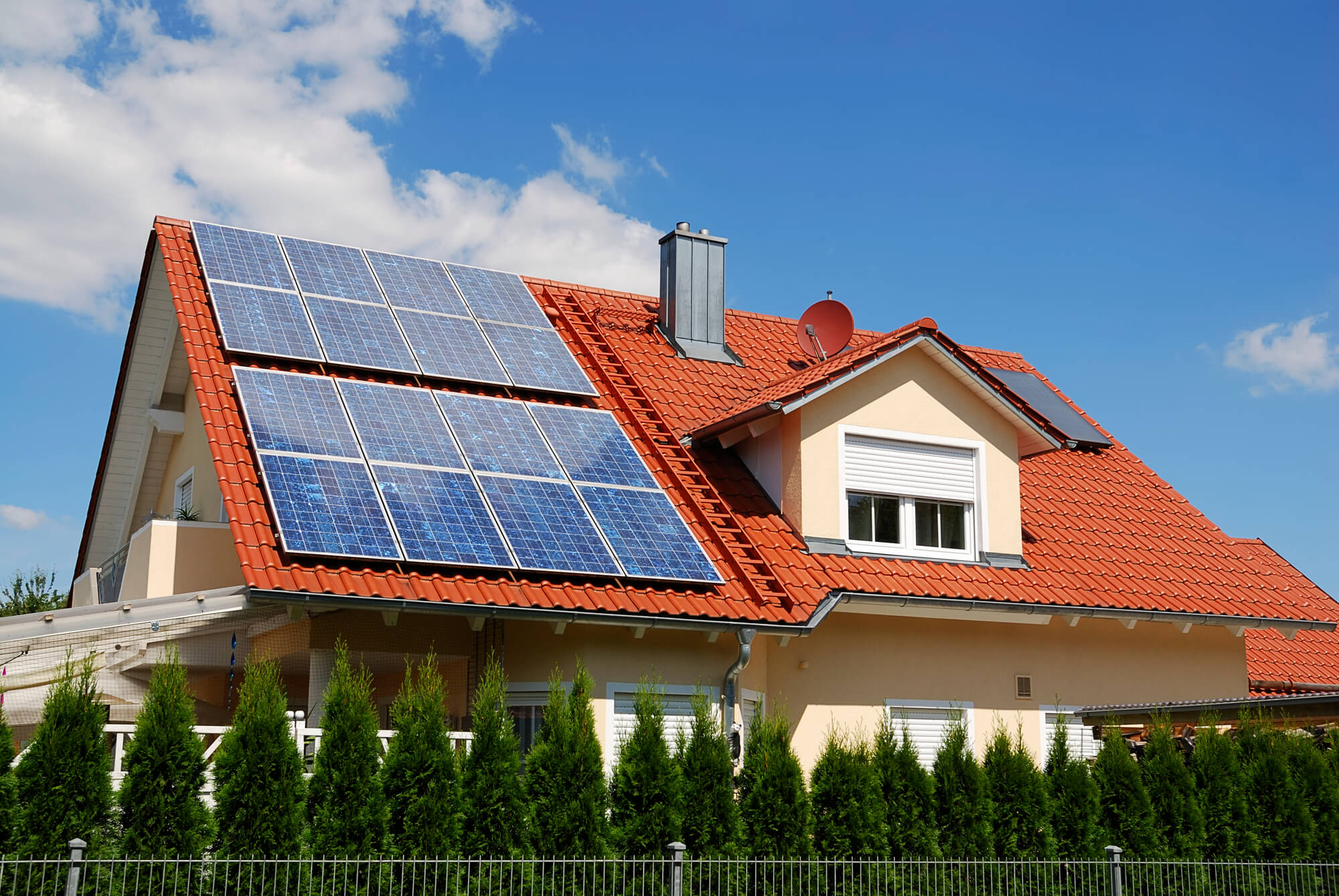
Solar panels have an image problem — at least aesthetically. Standard blue or black monocrystalline panels are efficient and cost-effective, but they are visually prominent. Solar skins offer a solution: adhesive overlays that customize the appearance of solar panels with patterns, colors, textures, or images while the panels continue generating electricity beneath. For homeowners with strict HOA rules, historic preservation requirements, or strong aesthetic preferences, solar skins can be the difference between installing solar and not installing it at all.
This guide covers what solar skins are, how they work, their efficiency impact, cost, durability, and the circumstances where they make sense.
Contents
What Are Solar Skins?
Solar skins — also called solar panel wraps, solar veneers, or custom solar panel overlays — are thin adhesive films applied to the front surface of installed solar panels. The film is engineered using selective light filtration: it transmits the wavelengths solar cells need to generate electricity (primarily infrared) while reflecting or absorbing visible light to display the chosen pattern or color.
The primary commercial technology was developed by Sistine Solar, a Boston-based company founded in 2012 with backing from the Department of Energy. Sistine’s SolarSkin product uses printed films with proprietary light-filtering technology that allows panels beneath to continue operating while the surface displays any image — grass, roof shingles, brick, a company logo, or a custom design.
Other approaches include colored anti-reflective coatings applied during panel manufacturing, colored backsheet materials visible from the front (used by some BIPV manufacturers), and full-surface encapsulant printing at the factory level. Retrofit adhesive skins like Sistine’s are the only option for panels already installed.
How Solar Skins Work
The science behind solar skins is selective optical filtration. Standard solar panels have anti-reflective coatings that maximize light absorption across the visible spectrum, which is why they appear near-black. A solar skin replaces this surface appearance while using interference patterns at the microscopic level to allow specific wavelengths to reach the solar cells below.
Specifically, the skin transmits the infrared wavelengths (750–1,100 nm for silicon cells) that silicon absorbs most efficiently. It selectively reflects or absorbs visible wavelengths (400–700 nm) to create the visible image. Since infrared carries roughly 50% of total solar energy, a panel covered with a solar skin continues generating approximately 50–95% of its uncovered output, depending on skin design, color, and implementation quality.
Lighter, more transparent skins reduce efficiency less than dark, opaque designs. A grass-green skin that broadly matches the solar panel’s active absorption spectrum performs better than an opaque white or navy blue skin.
Efficiency Impact of Solar Skins
The honest answer is that solar skins reduce panel efficiency, and the magnitude matters for your return on investment calculations.
| Skin Type / Design | Typical Efficiency Reduction | Annual Production Loss (10 kW system) |
|---|---|---|
| Light, semi-transparent skin | 5–8% | 600–960 kWh/year |
| Standard Sistine SolarSkin | 7–10% | 840–1,200 kWh/year |
| Dark or opaque skin design | 10–15% | 1,200–1,800 kWh/year |
| All-black panel (factory) | 2–3% | 240–360 kWh/year |
For a 10 kW system producing 13,000 kWh annually at $0.15/kWh, a 10% efficiency loss costs approximately $195/year in foregone electricity value. Over 20 years (at flat rates), that is $3,900 in lost savings. Compare this to the cost of the skin and weigh it against the aesthetic or HOA compliance value.
Factory-made all-black panels (like the SunPower Maxeon, REC Alpha Black, or Q CELLS all-black series) are a more efficient alternative for homeowners primarily concerned with visual appearance. They sacrifice only 2–3% vs. standard white-backsheet panels and carry full manufacturer warranties without the uncertainty of aftermarket overlays.
Cost of Solar Skins
Sistine Solar’s SolarSkin costs approximately $500–$1,000 for a standard residential installation, depending on system size and design complexity. Custom designs (company logos, photo-realistic images) may cost more. Installation — applying the film to each panel — typically adds $100–$300 in labor.
This $600–$1,300 upfront cost should be weighed against the ongoing efficiency loss (calculated above) and the specific value of aesthetic compliance. For a homeowner who otherwise cannot install solar due to HOA restrictions, the skin’s value is the entire benefit of solar ownership — making the cost calculation decisively favorable. For a homeowner who simply prefers the look, the math is more nuanced.
Durability and Warranty
Solar skin films are engineered for outdoor durability but add a layer of complexity to panel warranties and longevity. Key considerations:
UV and weather resistance: Sistine Solar rates SolarSkin for outdoor durability equivalent to standard panel lifespans, using UV-stabilized polymers. Real-world performance over 15–20 years is less well-documented than silicon panels, which have decades of field data.
Panel warranty implications: Applying a skin may void or modify the panel manufacturer’s product warranty, depending on the manufacturer’s policy. Confirm with both the skin supplier and the panel manufacturer before installation. Some installers now offer solar skins through partnerships that maintain warranty compliance.
Replaceability: Skins can be removed and replaced if they degrade, yellow, or peel. Removal typically requires heat application and leaves no permanent residue on the panel surface. The cost of skin replacement over the system’s lifetime is an additional ownership consideration.
Commercial and Branding Applications
Solar skins have found commercial applications beyond residential aesthetics. Companies use branded solar skins on rooftop arrays to display company logos visible from aerial views — combining renewable energy commitments with brand visibility. Transit authorities have used custom skins on solar installations at stations to integrate solar into architectural designs. Hotels and resorts use custom skins to maintain architectural consistency on historic or design-sensitive properties.
For commercial properties with significant brand visibility, the marketing value of branded solar infrastructure can justify the efficiency cost. A rooftop installation visible from a highway or adjacent high-rise that displays a company logo combines sustainability credentials with advertising reach.
HOA Solar Rights and Skin Alternatives
Most US states have solar access laws that limit HOA authority to prohibit solar installations. Federal law prevents HOAs from blanket banning rooftop solar. However, HOAs can require reasonable aesthetic accommodations — including panel placement, tilt angle restrictions, and in some cases, specific visual characteristics.
Solar skins are one solution for HOA compliance. Others include:
All-black panels: All-black monocrystalline panels (black cells, black frame, black backsheet) are less visually prominent than standard blue-cell panels and are acceptable under most HOA aesthetic guidelines. Lower efficiency loss than skins.
Low-profile mounting: Flush-mounted systems with minimal tilt angle reduce visual prominence from street level, satisfying HOA concerns without modifying panel appearance.
Solar roof tiles: Tesla Solar Roof and GAF Timberline Solar replace conventional roofing with solar tiles that are indistinguishable from standard roofing materials from the ground. Higher cost than conventional solar but may be the only option that fully satisfies strict HOA requirements.
Frequently Asked Questions
Do solar skins really work?
Yes — solar skins allow panels to continue generating electricity while displaying a custom appearance. The technology is commercially proven (Sistine Solar has been operating since 2012 with installations across the US). The trade-off is a 5–15% reduction in electricity output depending on skin design and color. They work best for homeowners who need a specific aesthetic outcome — HOA compliance, historic preservation, or commercial branding — and are willing to accept a modest efficiency reduction.
How much do solar skins cost?
Sistine Solar’s SolarSkin typically costs $500–$1,000 for materials plus $100–$300 for installation labor on a standard residential system. Custom designs cost more. Total cost is usually $600–$1,300 for a 6–10 kW residential installation. This is a one-time cost that may need to be repeated if the skin degrades over the system’s 25–30 year lifespan.
Are all-black solar panels a better option than solar skins?
For most homeowners concerned primarily with aesthetics, all-black factory panels are a better choice. They reduce efficiency by only 2–3% vs. standard panels (compared to 7–15% for skins), carry full manufacturer warranties without the overlay question, have decades of proven outdoor durability, and are widely available from major manufacturers including SunPower, REC, Q CELLS, and Panasonic. Solar skins are better suited for applications requiring specific imagery or color beyond what all-black panels provide.
Do solar skins void panel warranties?
Potentially. Applying any aftermarket film to solar panels may be treated as a modification that voids or limits the manufacturer’s product warranty. Policies vary by manufacturer. Confirm with both the skin supplier (Sistine Solar maintains a list of compatible panel manufacturers) and your panel manufacturer before installation. Some installer-warranty programs cover the complete system including skins.
Summing Up
Solar skins are a niche but legitimate solution for homeowners who need custom panel aesthetics — for HOA compliance, architectural integration, or commercial branding — and are willing to accept a 7–15% efficiency reduction and modest additional cost. For homeowners who simply want a sleeker look, all-black factory panels offer a more efficient and warranty-safe alternative. For those facing strict HOA requirements that all-black panels cannot satisfy, solar skins or solar roof tiles (Tesla Solar Roof, GAF) may be the only path to solar ownership.
Contact Solar Panels Network USA at (855) 427-0058 to discuss aesthetic solar options including all-black panels, solar skins, and solar roof tiles. Our specialists can assess your HOA requirements and design a system that meets both your aesthetic and energy goals.
Updated