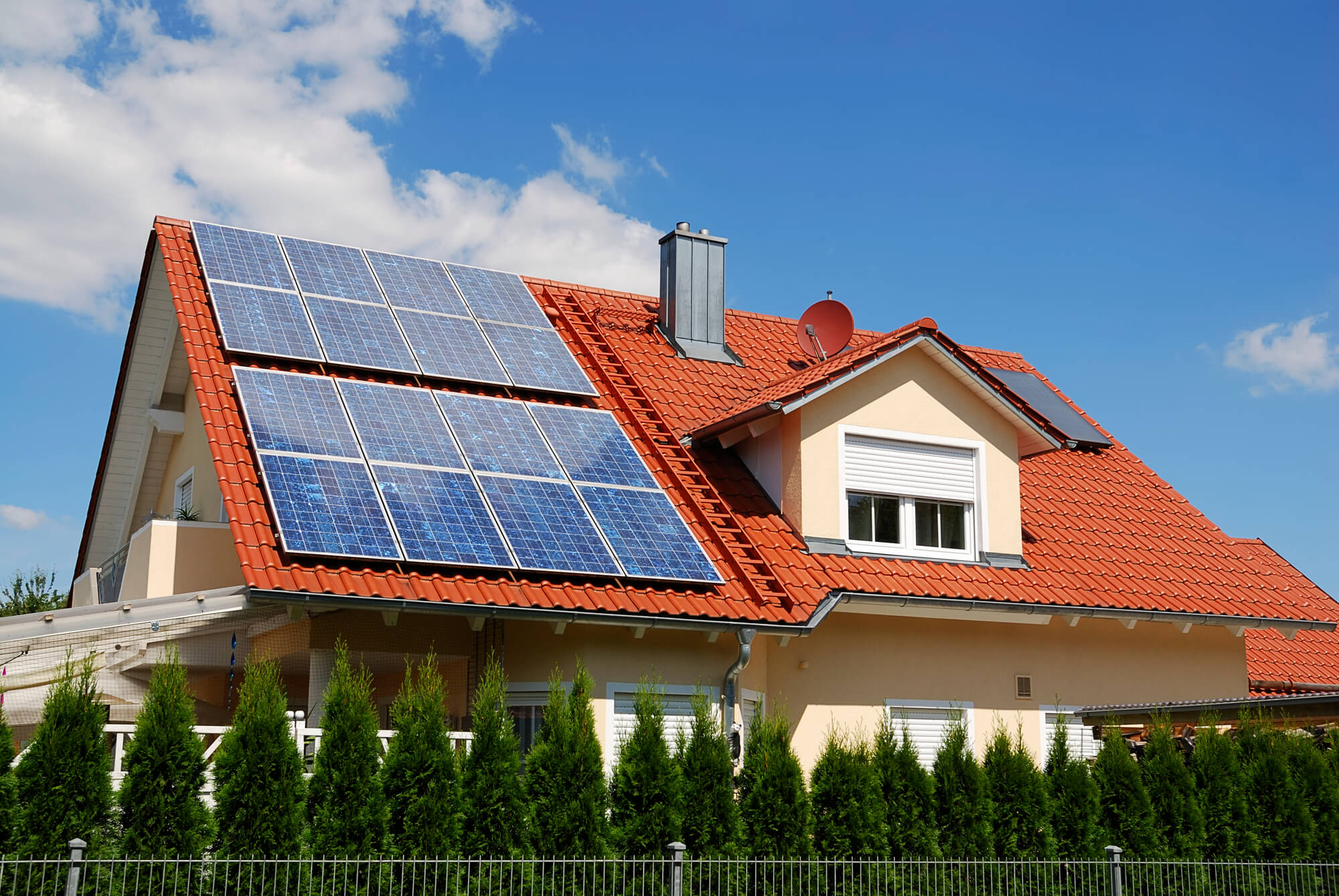
Bringing natural light into interior rooms without windows or dark spaces can be achieved through solar tubes (also called tubular skylights, sun tunnels, or light pipes) or traditional skylights. Both solutions harness free outdoor sunlight and redirect it indoors, reducing daytime electricity consumption and providing documented health benefits from daylight exposure. However, they solve this lighting challenge through fundamentally different mechanisms—one uses fiber optics and reflective tubes while the other installs glass directly in your roof. Understanding their strengths, weaknesses, costs, installation requirements, and long-term maintenance profiles helps you make an informed decision based on your room layout, roof structure, climate, and budget.
For homeowners considering daylighting solutions, the choice between solar tubes and skylights has significant financial and practical implications. A solar tube system costs $800–$2,000 installed, while a skylight runs $1,200–$3,500 or more. Choosing the wrong solution wastes money and creates frustration. This comprehensive comparison examines every dimension of both technologies so you can confidently select the best option for your specific needs.
Contents
- 1 What Are Solar Tubes and How Do They Work?
- 2 What Are Traditional Skylights and How Do They Work?
- 3 Cost Comparison: Total Installed Price
- 4 Light Output, Brightness, and Illumination Quality
- 5 Installation Complexity, Invasiveness, and DIY Potential
- 6 Maintenance Requirements and Long-Term Durability
- 7 Light Quality, Aesthetics, and Design Appeal
- 8 Thermal Performance, Heat Gain, and Energy Efficiency
- 9 Roofing Material Compatibility and Installation Constraints
- 10 Ventilation, Humidity Control, and Condensation Management
- 11 Distance Limitations and Light Transmission Over Long Runs
- 12 Frequently Asked Questions
- 12.1 How much light do solar tubes actually provide compared to electric lighting?
- 12.2 Can solar tubes be installed in any room or location?
- 12.3 Do skylights leak, and how common is the problem?
- 12.4 Which is better for a bathroom: solar tubes or skylights?
- 12.5 What’s the typical lifespan of each system, and when do they need replacement?
- 12.6 Do skylights cause significant heat loss in winter, and is this a real concern?
- 12.7 Can both be added to an existing home, or are they only for new construction?
- 13 Summing Up
What Are Solar Tubes and How Do They Work?
Solar tubes (also called tubular skylights, light pipes, sun tunnels, or fiber optic skylights) capture sunlight through a small, clear dome mounted on your roof and channel it through a highly reflective tube that runs through attic space or wall cavities down to a ceiling diffuser in the room below. The tube itself is typically 10–16 inches in diameter and can run 10–30 feet horizontally and vertically, weaving around structural obstacles like rafters, beams, and HVAC ducts.
Operating principle: Sunlight enters the transparent acrylic dome positioned on the roof, travels down the tube with interior walls coated in reflective material (usually aluminum foil or special optical film with 95%+ reflectivity), bounces off these reflective surfaces, and eventually exits through a ceiling diffuser in the room below. The diffuser spreads the concentrated light evenly, eliminating glare hot spots and creating pleasant, diffused illumination. This design is simple, reliable, and requires no electricity—it’s 100% passive solar technology.
Common premium brands include Solatube, Velux, and Tubular Master.** Solatube dominates the market with multiple product lines ranging from basic to premium models. Premium Solatube units cost $400–$800 for the unit alone; budget alternatives run $200–$400. Installation labor typically adds $500–$1,200, resulting in total installed costs of $800–$2,000 for most residential applications.
What Are Traditional Skylights and How Do They Work?
Traditional skylights are roof windows—glass or acrylic panes installed directly in your roof structure that provide direct sight lines to the sky. Light travels straight down through the skylight glass into the room below without any mechanical redirection or reflective surfaces. The skylight frame sits flush with the roof slope and becomes part of your roofing system.
Operating principle: A frame is structurally integrated into the roof opening. A glass or plastic pane (single, double, or triple glazed) is mounted at the slope of the roof. Sunlight passes directly through the transparent glazing, illuminating the room below with bright, unobstructed daylight. Some skylights are operable (hinged or sliding so they can open and close like windows for ventilation); most are fixed (permanently sealed).
Skylight types available: Fixed skylights (stationary, lowest cost), vented/operable skylights (open for ventilation and cooling), tubular skylights (curved glass tubes used in some high-end models—different from solar tube light pipes), skylights with integrated blinds or cellular shades (for glare control), and motorized skylights (automatic opening via sensors or remotes). Costs range from $400–$1,500 for the unit, plus $800–$2,000 for professional installation, totaling $1,200–$3,500. Larger skylights, motorized options, and skylights on complex roofs can reach $4,000–$6,000 installed.
Cost Comparison: Total Installed Price
Solar tubes: $300–$800 for the unit, plus $500–$1,200 for professional installation = $800–$2,000 total. Premium Solatube units with extended tube runs push toward $2,500–$3,000 installed. This makes solar tubes the most budget-friendly daylighting solution. Even luxury solar tube systems rarely exceed skylight prices.
Skylights: $400–$1,500 for the unit, plus $800–$2,000 for installation = $1,200–$3,500 total for standard models. Larger skylights (3×4 feet or bigger), motorized operable models, and skylights on complex roof geometries (tile, metal, cathedral ceilings) can reach $4,000–$6,000 or higher. A premium triple-glazed motorized skylight on a tile roof easily exceeds $5,000.
Winner for budget: Solar tubes by a wide margin.** Most solar tubes cost 30–50% less than quality skylights. For homeowners working with tight budgets, solar tubes are clearly the more economical choice. For multiple rooms, the cost difference compounds, making solar tubes dramatically more affordable.
Light Output, Brightness, and Illumination Quality
Solar tubes light transmission: Deliver 50–75% of outdoor ambient light (some loss occurs through dome transmittance, reflections off tube walls, and diffuser spread). A typical 12-inch solar tube on a sunny day provides illumination equivalent to 3–5 fluorescent light bulbs (approximately 50–75 watts of incandescent equivalent). This is adequate for hallways, closets, small bathrooms, and interior rooms needing modest ambient lighting but not for bright task lighting or large spaces.
Skylight light transmission: Transmit 90%+ of outdoor ambient light directly with minimal loss (glass or acrylic is highly transparent). A 2×4 foot skylight on a sunny day floods a room with bright, intense natural light. This brightness is significantly higher than solar tubes and creates visual connection to the outdoors. Skylights work well for larger rooms, kitchens, living areas, and spaces where bright illumination is desired.
Color rendering: Both technologies transmit light across the full visible spectrum, so color perception is accurate and natural in both cases. Skylights may appear slightly more vibrant due to higher overall brightness. Solar tubes provide softer, more diffused light that some find more pleasant for extended viewing.
Winner for brightness: Skylights decisively.** If maximum brightness and visual impact are priorities, skylights win. For supplemental ambient lighting in dark hallways, closets, or interior bathrooms, solar tubes are perfectly adequate and more economical.
Installation Complexity, Invasiveness, and DIY Potential
Solar tube installation: Remarkably non-invasive. A hole approximately 10–16 inches in diameter is cut in the roof (smaller than a dinner plate). The dome is attached with flashing to seal the opening. The reflective tube is routed through attic or wall cavities, guided around structural obstacles (rafters, beams, ductwork), and terminated with a ceiling diffuser. The entire process is straightforward and requires minimal structural modification. Most installations are completed in 2–4 hours with one or two technicians. For comfortable DIYers, solar tube installation can be a weekend project, though roof work always carries fall/safety risks.
Skylight installation: Significantly more complex and invasive. Large roof openings (2–4 feet wide or larger) are cut, requiring structural assessment and potentially temporary bracing during installation to maintain roof integrity. The frame must be structurally secured. Flashing must be precisely integrated with existing roofing materials (shingles, tiles, metal, tar and gravel). Installation typically takes 4–8 hours or longer. Improper flashing leads to roof leaks, making professional installation essential. DIY installation is not recommended except for experienced builders.
Roof penetration size: Solar tubes require only 10–16 inch diameter holes (minimal disruption). Skylights require 2–4 foot openings (major disruption). The difference in scale significantly impacts structural considerations and installation difficulty.
Weather exposure during installation: Solar tube installations expose your roof to weather for just a few hours. Skylight installations create large openings for several hours, requiring careful weather forecasting and multiple workers to complete quickly.
Winner: Solar tubes for ease and DIY potential.** Installation is simpler, faster, less invasive, and suitable for DIY-minded homeowners. Skylights require professional expertise.
Maintenance Requirements and Long-Term Durability
Solar tube maintenance: Minimal. The dome should be cleaned annually or semi-annually (gently wipe or hose down) to maintain optimal light transmittance. Leaves, dust, or bird droppings reduce light output, but cleaning is quick and easy. Internal reflective coatings gradually degrade over decades (approximately 5–10% efficiency loss per decade), but tubes typically remain functional for 20–25 years before significant degradation becomes noticeable. No moving parts means no mechanical failures. The sealed design prevents condensation issues in most climates (occasional frosting in very cold, humid conditions, but it clears as temperature equalizes).
Skylight maintenance: Moderate to high. Exterior glass collects dust, pollen, leaves, and bird droppings that reduce light transmittance if neglected. Interior condensation can fog glass in humid bathrooms, creating moisture and mold concerns. Operable skylights have motorized mechanisms, hinges, and seals that require periodic maintenance and lubrication. Flashing deteriorates over 15–20 years, requiring inspection and resealing. Repair costs are significantly higher than tube repairs: a failed seal, a cracked pane, or flashing leaks often cost $500–$2,000 to repair, and replacement of a failed skylight can exceed $3,000.
Lifespan comparison: Solar tubes typically last 20–25 years before internal reflectivity degrades significantly. Skylights last 15–20 years, though flashing and gaskets often need replacement sooner (every 10–15 years). Premium skylights with better flashing designs may last longer, but maintenance is still required.
Winner: Solar tubes for low-maintenance longevity.** Simpler design, fewer failure points, lower repair costs, and longer effective lifespan make solar tubes the maintenance-friendly choice.
Light Quality, Aesthetics, and Design Appeal
Solar tube light quality: Diffused, soft, and glare-free. The ceiling diffuser (typically 8–12 inches in diameter) distributes light evenly across the ceiling, creating pleasant ambient illumination without harsh shadows or hotspots. Some homeowners appreciate the modern, minimalist look of a circular diffuser; others view it as an eyesore or “UFO” on their ceiling. No view of outdoors or sky from inside—you get pure illumination without the visual connection to weather. Light remains consistent throughout sunny days (no moving shadows as sun position changes). Some find this sameness boring; others appreciate the steady, predictable lighting.
Skylight light quality: Bright, direct light with full color rendering and connection to sky. Natural light quality varies dramatically with time of day, season, and weather (morning light differs from afternoon light; winter light differs from summer). On sunny mornings, direct sunlight creates dramatic shadows and potential glare—some homeowners love this dynamic quality; others find it distracting or hot. Many appreciate the visual and psychological benefit of seeing the sky, clouds, and sky color changes. Skylights enable a deeper connection to weather and seasonal cycles. Some people find strong direct sunlight pleasant and energizing; others find it overstimulating or conducive to heat gain.
Winner: Skylights for aesthetic appeal, views, and dynamic light quality.** More visually appealing if you want to see the sky and experience natural light variation. Solar tubes are less obtrusive visually but provide less emotional/aesthetic satisfaction.
Thermal Performance, Heat Gain, and Energy Efficiency
Solar tubes thermal impact: Minimal heat gain in summer and minimal heat loss in winter. The sealed tube and diffuser dissipate any heat before it enters the room, preventing summer overheating. Winter heat loss is negligible (the sealed system limits thermal exchange). Overall, solar tubes have nearly neutral energy impact—you get free light without significant heating or cooling penalties. This is a major advantage in extreme climates (very hot summers or very cold winters).
Skylights thermal impact: Significant. Glass transmits solar heat, so south-facing and west-facing skylights cause summer overheating. On hot days, interior room temperatures can spike, increasing air conditioning load and utility bills. Some skylights gain 10,000+ BTU per day on sunny summer days. In winter, glass is a poor insulator—skylights lose heat significantly, increasing heating costs. Even double or triple-glazed skylights with low-E coatings still transmit heat and allow heat loss. Operable skylights can be opened in summer to vent hot air, reducing AC load—this is their primary energy advantage. Without operable capability or external shades, skylights are poor from an energy efficiency standpoint.
Solution approaches: Skylights can be made energy-efficient with external shading (retractable awnings, exterior blinds), internal cellular shades, or low-E coatings, but these add cost and complexity. Solar tubes inherently avoid these issues.
Winner: Solar tubes for energy efficiency.** Minimal thermal impact makes them ideal for climate control. Skylights may increase heating and cooling costs unless carefully shaded and positioned or are operable models with active ventilation.
Roofing Material Compatibility and Installation Constraints
Solar tubes roofing compatibility: Work on virtually any roof type: composition shingles, wood shakes, metal, tile, tar and gravel, even slate. The small dome requires only localized flashing around the 10–16 inch opening. Flashing adapts easily to any roofing material. Tubes are ideal for retrofit projects on existing roofs of any type. No structural concerns or special requirements.
Skylights roofing compatibility: Installation varies dramatically by roof material. Composition shingle roofs are straightforward—flashing integrates easily. Metal roofs require special standing-seam compatible flashing to prevent leaks and thermal issues—often challenging and expensive. Tile roofs are complex and costly: tiles must be carefully removed in the skylight area, the frame installed, tiles reinstalled around the frame, and precise flashing integrated—easily doubling installation costs. Some tile roofs may have structural limitations. Slate roofs present similar challenges. Premium roofing materials (metal, tile, slate) can make skylight installation prohibitively expensive or impossible.
Real-world example: A skylight on a composition shingle roof might cost $1,500 installed. The same skylight on a metal roof: $2,500–$3,000. On a tile roof: $3,500–$4,500 or more. A solar tube, by contrast, costs the same regardless of roofing material.
Winner: Solar tubes for retrofit flexibility.** Much easier to install on any roof type. Skylights are restrictive and expensive on premium roofing materials, making solar tubes more practical for tile, metal, or slate roofs.
Ventilation, Humidity Control, and Condensation Management
Solar tubes ventilation: Sealed system with no air exchange. Interior dome may fog occasionally if there’s a large temperature difference (cold exterior, humid interior—common in bathrooms on cold winter mornings), but it typically clears as temperatures equalize. Fogging is rare and temporary. No ventilation capability, so tubes don’t help exhaust humid bathroom or kitchen air. If humidity control is needed, you still require mechanical ventilation (exhaust fan).
Skylights ventilation: Fixed skylights may fog in high-humidity bathrooms, particularly in winter. However, operable (vented) skylights provide active ventilation, exhausting humid air directly through the roof opening. This is beneficial in bathrooms, kitchens, or humid climates. Motorized vented skylights open automatically based on temperature, humidity, or rain sensors—excellent for humidity control. Operable skylights genuinely reduce bathroom moisture and condensation issues that fixed skylights and solar tubes cannot address.
Real-world example: A bathroom with poor exhaust ventilation installed an operable skylight; it now opens on humid mornings, venting moisture directly outside—eliminating the mold and mildew problems that existed before.
Winner: Operable skylights for humidity and ventilation.** In bathrooms, kitchens, or very humid climates, vented skylights are superior. Tubes are ventilation-neutral; fixed skylights may worsen humidity issues. For spaces needing humidity control, operable skylights are the best choice despite higher cost.
Distance Limitations and Light Transmission Over Long Runs
Solar tubes distance: Tubes can run 10–30 feet from roof to diffuser. Most residential installations run 10–15 feet. Longer runs (20+ feet) experience some light loss due to reflections off tube walls—each reflection loses approximately 5% of light. A 30-foot tube transmits significantly less light than a 10-foot tube. Very long runs (over 20 feet) may require additional skylights or mirrors to boost output. For rooms far from the roof or separated by multiple floors, solar tubes become less practical.
Skylights distance: Light travels straight down; distance from roof to room doesn’t matter. Vaulted ceilings actually benefit from skylights (light travels further and illuminates larger areas). No distance limitations.
Real-world application: A basement or lower-floor room is better served by skylights if sunlight can access it vertically. A hallway directly below the roof is ideal for solar tubes.
Winner: Skylights for distance and vertical runs.** No distance penalty. Solar tubes work best for rooms directly below the roof.
Frequently Asked Questions
How much light do solar tubes actually provide compared to electric lighting?
A typical 12-inch solar tube transmits 50–75% of outdoor ambient light. On a sunny day, this equals 3–5 fluorescent light bulbs (approximately 50–75 watts incandescent equivalent). This is adequate for hallways, closets, and bathrooms but not for bright task lighting. Skylights transmit 90%+ of outdoor light and are significantly brighter.
Can solar tubes be installed in any room or location?
Solar tubes require roof access and a clear path through attic/walls to the room. Rooms directly below the roof are ideal. Rooms deep in the home or separated from the roof by multiple floor levels may require very long tubes (20–30 feet), which reduces light output significantly. Structural obstacles (large beams, ductwork) can be navigated but may require longer tube runs. Before purchase, assess whether a clear path exists.
Do skylights leak, and how common is the problem?
Skylights leak if flashing is done incorrectly. Quality professional installation with proper flashing integration prevents leaks. Higher-end skylights have integrated flashing that reduces leak risk. Many online reviews cite leaks as a common problem, but this usually reflects poor installation rather than product failure. Hire a professional installer with proven references, and ask whether they’ve experienced leak issues before deciding.
Which is better for a bathroom: solar tubes or skylights?
Operable (vented) skylights are ideal for bathrooms—they provide light AND ventilation to control humidity and mold. Fixed skylights are adequate (light without ventilation). Solar tubes provide ambient light but no ventilation. In humidity-prone bathrooms, vented skylights are the superior choice despite higher cost. If ventilation is already provided by an exhaust fan, solar tubes become more competitive.
What’s the typical lifespan of each system, and when do they need replacement?
Solar tubes typically last 20–25 years before internal reflectivity degrades noticeably. Skylights last 15–20 years, though flashing, seals, and gaskets often need replacement every 10–15 years. Premium skylights with excellent flashing may last 20+ years. Tubes have longer effective lifespan and lower maintenance, while skylights may require mid-life flashing repairs.
Do skylights cause significant heat loss in winter, and is this a real concern?
Yes, skylights transmit heat loss, especially single-glazed models. Even double or triple-glazed skylights with low-E coatings experience some winter heat loss. Solar tubes, being sealed, minimize winter heat loss. If heating efficiency is a priority in cold climates, solar tubes are the better choice. Skylights offset some winter heat loss through daytime solar heat gain, but net winter thermal impact is still negative in most climates.
Can both be added to an existing home, or are they only for new construction?
Both are retrofit-friendly. Solar tubes are excellent for retrofit (minimal disruption, small roof opening). Skylights can be retrofitted but require more significant roof work. Both can be added to existing homes at any time. Solar tubes are typically easier and faster for retrofit projects, while skylights are more impressive but more disruptive.
Summing Up
The choice between solar tubes and skylights depends on your specific priorities. Solar tubes excel for budget-conscious homeowners needing supplemental ambient light in hallways, closets, and interior rooms—they cost 30–50% less, require simple installation, have minimal thermal impact, need little maintenance, and work on any roof type. Skylights win for maximum brightness, aesthetic appeal, visual connection to outdoors, and—if operable—humidity control and ventilation. Skylights cost more but provide brighter illumination and greater visual satisfaction. For bathrooms needing humidity control, vented skylights are superior. For energy efficiency and easy retrofit, solar tubes are the clear winner. Consider your room location, light needs, roof material, climate, budget, and whether ventilation is important when making your final decision.
Get a Free Solar Quote → (855) 427-0058
Updated