
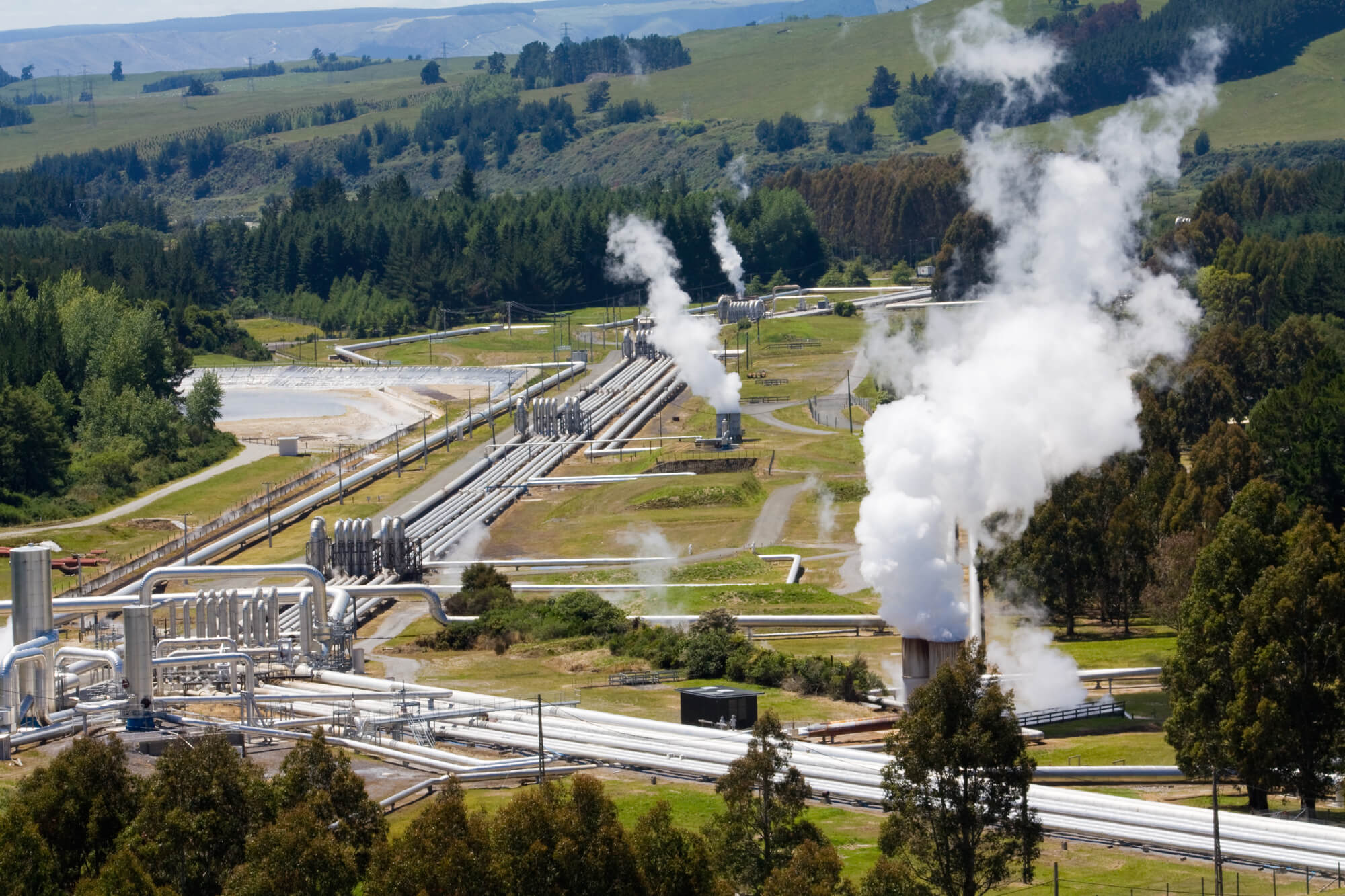
Solar and geothermal represent two distinct renewable energy approaches for the home — solar generates electricity from sunlight, while geothermal (ground-source heat pumps) uses stable underground temperatures for efficient heating and cooling. They solve different problems and can complement each other well, with geothermal’s higher upfront cost offset by its exceptional heating/cooling efficiency.
Solar vs. Geothermal Comparison
| Factor | Solar PV | Geothermal (Ground-Source Heat Pump) |
|---|---|---|
| What it does | Generates electricity | Provides heating/cooling via ground-source heat exchange |
| Typical cost | $15,000-$30,000 | $20,000-$45,000+ |
| Efficiency | N/A (generates power directly) | COP of 3-5 (300-500% efficient vs. resistance heating) |
| Geographic suitability | Works nationwide, better in sunnier climates | Works nationwide, requires suitable land for ground loop |
| Federal tax credit | 25D expired (homeowners); 48E for leases/PPAs | Section 25C/25D geothermal credit status varies — verify current eligibility |
What Each Technology Actually Does
Solar panels convert sunlight into electricity that can power anything in your home. Geothermal systems use the stable underground temperature (roughly 50-60°F year-round below a certain depth) to efficiently heat your home in winter and cool it in summer, using far less electricity than conventional HVAC.
Cost and Payback Considerations
Geothermal systems typically cost more upfront than solar due to the ground loop installation (drilling or trenching), but their exceptional efficiency (COP of 3-5) can deliver substantial heating/cooling savings, especially in climates with extreme temperature swings.

Geography and Land Requirements
Solar works effectively nationwide with sufficient roof space and sun exposure, while geothermal requires either sufficient land for horizontal ground loops or the ability to drill vertical boreholes — an important site-specific constraint that doesn’t apply to solar.
Can You Have Both?
Yes — solar and geothermal complement each other well, since solar-generated electricity can directly power a geothermal heat pump’s compressor, combining renewable electricity generation with highly efficient heating and cooling in one integrated home energy strategy.
Interested in solar for your home’s electricity needs? Get a free quote: (855) 427-0058
Frequently Asked Questions
What is the difference between solar and geothermal energy?
Solar generates electricity from sunlight; geothermal uses underground temperature for efficient heating and cooling.
Which is more expensive, solar or geothermal?
Geothermal typically costs more upfront due to ground loop installation ($20,000-$45,000+ vs. $15,000-$30,000 for solar).
Can solar and geothermal work together?
Yes — solar electricity can power a geothermal heat pump, combining generation with efficient heating/cooling.
Does geothermal work everywhere?
It requires sufficient land or the ability to drill boreholes, a constraint solar doesn’t have.
How efficient is geothermal compared to conventional heating?
Geothermal systems have a COP of 3-5, meaning 300-500% efficiency compared to resistance heating.
Is there a tax credit for geothermal systems?
Eligibility varies and should be verified currently, similar to solar’s changed tax credit landscape.
Which should I choose first, solar or geothermal?
It depends on your priorities — solar addresses electricity costs broadly, geothermal specifically targets heating/cooling efficiency.
Summing Up
Solar and geothermal address different needs but can work together effectively. To explore solar for your home’s electricity generation, call (855) 427-0058 or visit us.solarpanelsnetwork.com.
Updated