
Solar energy has moved well beyond the experimental phase. The projects below — spanning utility-scale farms, corporate campuses, community programs, and international grids — demonstrate what the technology delivers when deployed seriously. These aren’t projections or pilot programs: they’re operating installations with documented output, economic returns, and lessons for future projects.
Large-Scale US Solar Projects
Solar Star, California — 747 MW
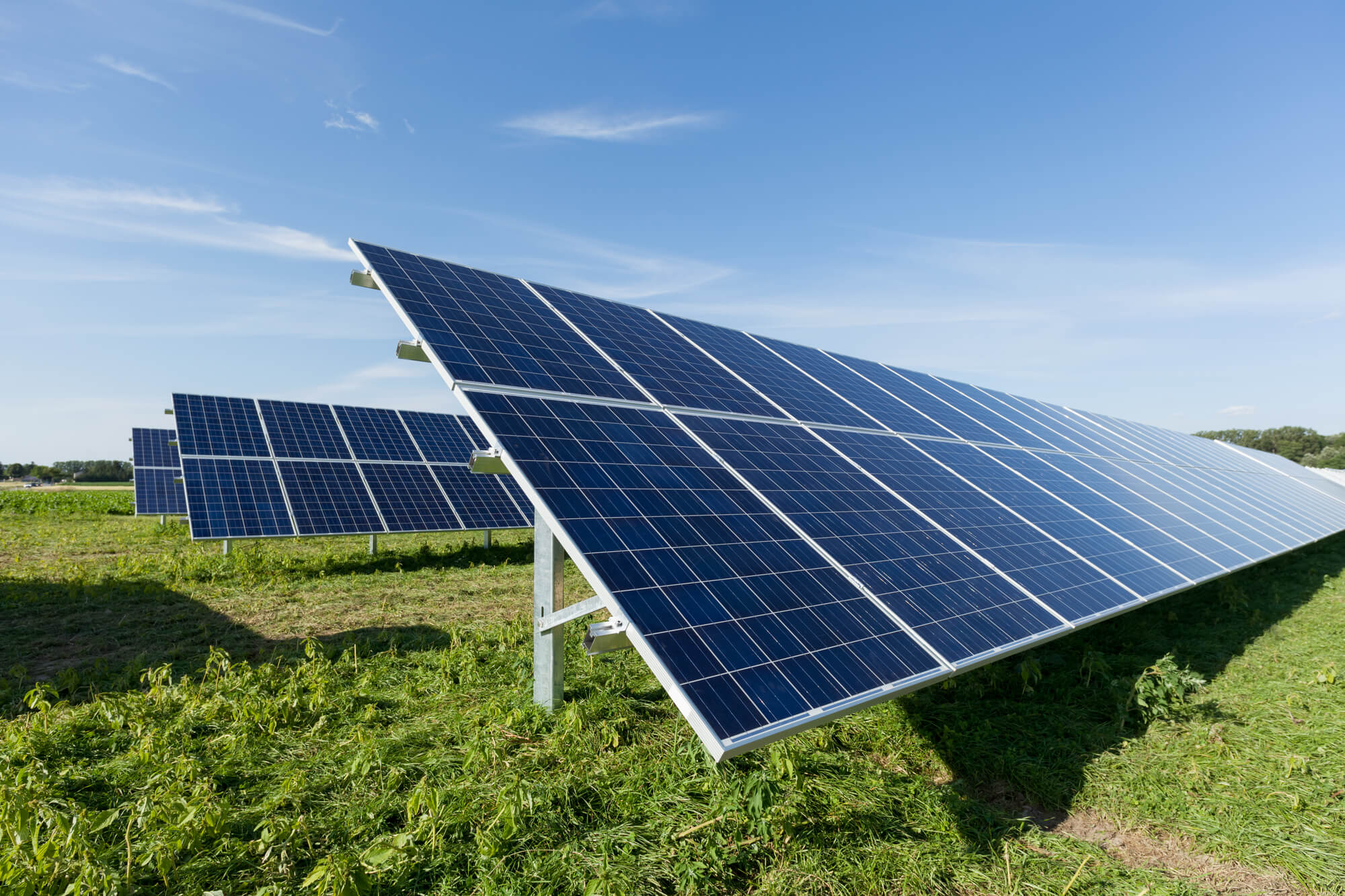
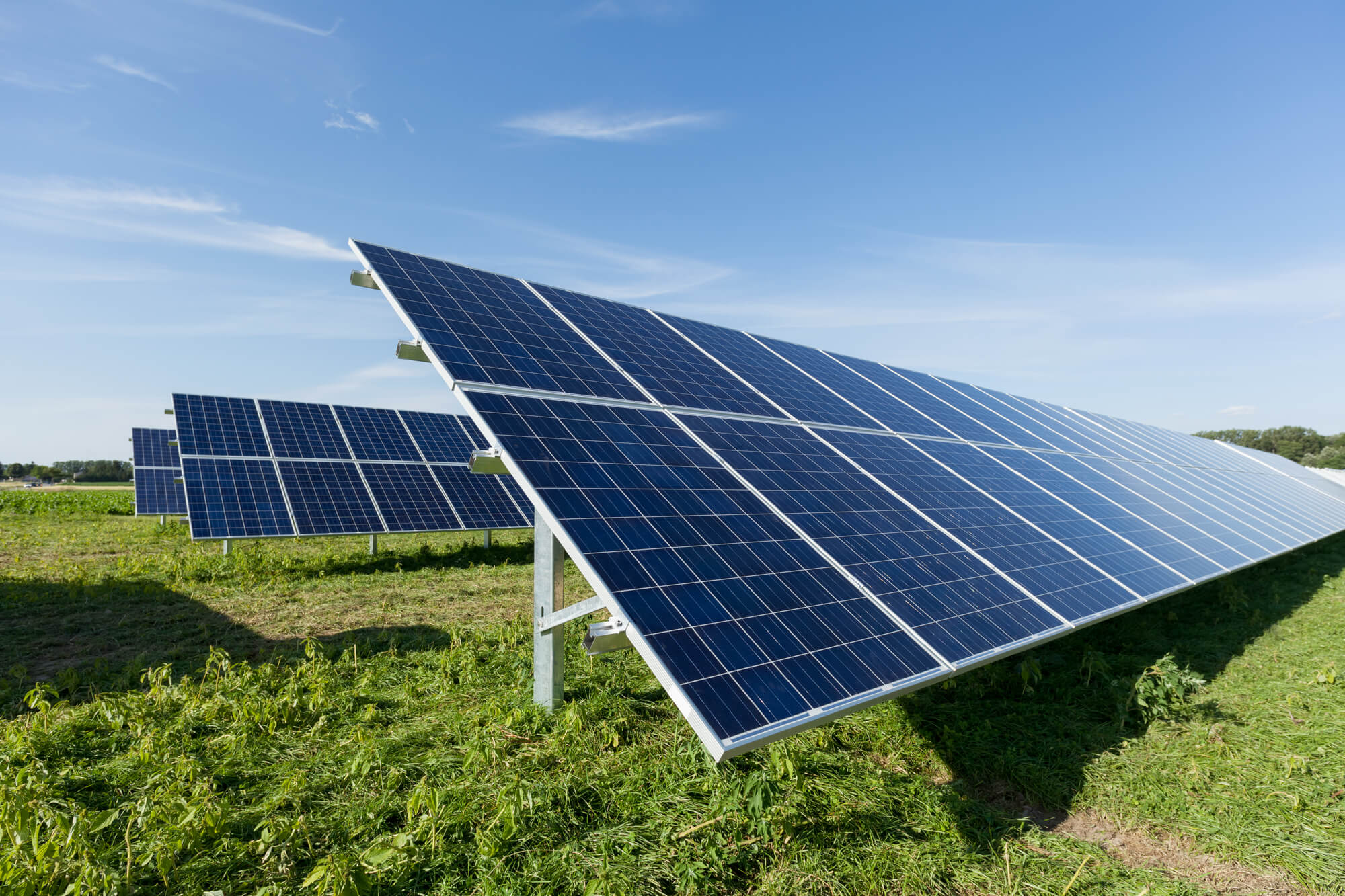
Located across Kern and Los Angeles Counties, Solar Star was the world’s largest solar farm when it came online in 2015 and remains one of the largest in the US. The project uses 1.7 million SunPower monocrystalline panels across roughly 13 square miles. Output: approximately 1,650 GWh per year — enough to power around 255,000 California homes. Developed by SunPower and owned by BHE Renewables (a Berkshire Hathaway company), Solar Star illustrates how utility-scale solar can deliver consistent baseload-competitive energy in high-irradiance regions.
Topaz Solar Farm, California — 550 MW
Completed in 2014 in San Luis Obispo County, Topaz was the first project in the world to exceed 500 MW. The farm uses 9 million First Solar thin-film CdTe panels across 9.5 square miles of previously degraded farmland. Annual output runs approximately 1,100 GWh, displacing roughly 377,000 metric tons of CO₂ per year compared to natural gas generation. Pacific Gas & Electric purchases all output under a 25-year power purchase agreement — the long-term PPA structure that made the project’s financing viable.
Desert Sunlight Solar Farm, California — 550 MW
Desert Sunlight sits in the Mojave Desert in Riverside County, commissioned in 2015. Like Topaz, it was developed by First Solar using thin-film panels optimized for desert heat (thin-film panels degrade less in high temperatures than conventional silicon panels). The project sells power to Southern California Edison and Pacific Gas & Electric and produces around 1,100 GWh annually. Desert Sunlight was one of the first large solar projects to receive a federal loan guarantee under the DOE Loan Programs Office.
Samson Solar Energy Center, Texas — 1,310 MW
The Samson Solar Energy Center in Hunt County, Texas came online in 2023 and immediately became the largest solar farm in the United States at the time of completion. The project occupies approximately 13,000 acres and serves Facebook parent Meta under a long-term corporate PPA. Samson demonstrates that utility-scale solar is no longer just a California phenomenon — Texas’s ERCOT grid now hosts some of the largest solar capacity in the country, driven by favorable land costs, high irradiance, and minimal interconnection barriers compared to other regions.
Mammoth Solar, Indiana — 1,650 MW (under construction)
Mammoth Solar in Starke County, Indiana is slated to become the largest solar farm in the US upon completion. The project covers approximately 13,000 acres and is expected to power around 260,000 homes. Its significance extends beyond scale: Mammoth Solar is located in a Midwest state with moderate irradiance, proving that solar can compete economically in regions historically dependent on coal and natural gas. Indiana’s low land costs and proximity to major transmission infrastructure made the economics work.
Corporate Solar Success Stories
Apple — 100% Renewable Electricity Since 2018
Apple achieved 100% renewable electricity across all of its global operations — including its offices, data centers, and retail stores in 43 countries — in April 2018. The company reaches this milestone through a combination of owned solar installations (including a 130 MW solar farm in California and a 200 MW farm in Nevada), long-term PPAs, and renewable energy certificates. Apple’s supply chain program has since pushed hundreds of manufacturers to commit to renewable energy as well. By 2026, Apple has helped supply chain partners avoid over 20 million metric tons of CO₂.
Google — Carbon-Free Energy 24/7 by 2030
Google has matched 100% of its global electricity consumption with renewable energy since 2017 — every year. The company now operates the largest corporate renewable energy portfolio of any company in the world, with over 10 GW of contracted clean energy. Google’s more ambitious current goal is 24/7 carbon-free energy — meaning every kilowatt-hour consumed, in every location, matches with clean energy from the same grid in the same hour. The company was at roughly 64% carbon-free energy on an hourly basis by 2023 and is on track toward the 2030 goal through solar, wind, and battery storage combinations.
Walmart — Largest Commercial Solar Operator in the US
Walmart operates solar installations on over 600 of its US stores and distribution centers, making it one of the largest commercial solar operators in the country. The rooftop solar program began in 2007 and has expanded continuously since. Walmart’s approach is a practical model for large commercial operators: no owned land required, direct offset of daytime electricity costs (stores are open during peak solar hours), and long-term savings that justify upfront capital investment. The company aims to be powered by 100% renewable energy by 2035.
Amazon — 29.9 GW of Renewable Energy Announced
Amazon has become the world’s largest corporate purchaser of renewable energy, with over 29.9 GW of solar and wind capacity contracted or operational worldwide as of 2024. The company’s renewable projects span 29 countries, including massive solar arrays co-located with AWS data centers. Amazon reached its 100% renewable electricity target in 2023 — seven years ahead of its original 2030 commitment — a pace driven by the scale of data center power demand and the falling cost of utility-scale solar contracts.
Community Solar Success Stories
Community solar programs allow renters, homeowners with unsuitable roofs, and low-income households to access solar savings without installing panels. Several state programs have produced measurable results:
Minnesota’s Community Solar Garden Program
Minnesota launched the first regulated community solar program in the US in 2013. By 2024, the state had over 1.5 GW of community solar capacity operational — the largest community solar market in the country. Subscribers include apartment renters, businesses, nonprofits, and schools that receive credits on their utility bills. Low-income carve-out requirements ensure that 10% of capacity in new projects serves income-qualified households at a guaranteed discount.
New York’s NY-Sun Initiative
New York’s NY-Sun Initiative has driven over 7 GW of solar capacity installed statewide by 2025, with a target of 10 GW by 2030. The program includes incentives for community solar, low-income solar programs (the “Solar for All” component), and commercial installations. Community distributed generation projects allow New Yorkers without suitable rooftops — an estimated 75% of the state’s residents — to subscribe to off-site solar and receive bill credits.
Colorado’s Income-Qualified Community Solar Program
Colorado’s program, operated through Xcel Energy, has connected thousands of low-income households to community solar at a 5–25% discount below retail electricity rates. The program demonstrates that community solar can be effectively structured to serve vulnerable populations, not just early adopters — a key challenge for equitable energy transition.
International Standout Projects
Bhadla Solar Park, India — 2,245 MW
Located in the Thar Desert in Rajasthan, Bhadla Solar Park is the world’s largest solar installation. The park spans approximately 14,000 acres and was developed in phases between 2015 and 2020. Average irradiance in the region exceeds 6 kWh/m² per day — among the highest in the world — allowing the park to achieve some of the lowest solar electricity costs ever recorded. Tariffs at Bhadla have fallen as low as ₹2.44/kWh (~$0.029/kWh), a benchmark for how competitive utility-scale solar has become in high-irradiance markets.
Mohammed bin Rashid Al Maktoum Solar Park, UAE — 5,000 MW (target)
Dubai’s Mohammed bin Rashid Al Maktoum Solar Park is the world’s largest single-site solar project by planned capacity. Phases are being completed progressively, with Phase 5 (1,800 MW) expected to use bifacial solar panels and tracking systems. The project will supply power at what developers call the lowest levelized cost of electricity for solar in the world upon completion. The UAE’s combination of extreme irradiance, political will, and sovereign investment capital has made it a global leader in utility-scale solar economics.
Hornsdale Power Reserve (with Solar), South Australia
South Australia’s combination of large-scale wind and solar with the Hornsdale Power Reserve (the world’s largest lithium-ion battery at the time of installation in 2017) demonstrated how renewable energy plus storage can stabilize a grid. South Australia now regularly operates with 100% renewable electricity for extended periods. The Hornsdale project has earned global attention as proof that battery storage paired with solar and wind can provide reliable grid services — including frequency regulation — at scale.
What Makes These Projects Successful
Across these examples, several factors consistently distinguish successful solar projects from failed or underperforming ones:
Long-term PPAs with creditworthy buyers. Utility-scale solar depends on revenue certainty. A 20–25-year purchase commitment from an investment-grade utility or corporate buyer allows developers to secure project financing at favorable rates, which drives down the cost of electricity delivered.
High irradiance sites matched to panel technology. Desert Sunlight and Topaz used thin-film CdTe panels, which perform better in high heat. Solar Star used high-efficiency monocrystalline panels. Matching panel technology to local climate is a key engineering decision that affects 25-year output.
Grid interconnection early in the process. Many solar projects stall in interconnection queues, which can add years to development timelines. Successful large projects have either secured grid connection rights early, used existing transmission infrastructure, or developed in markets with streamlined interconnection rules.
Federal incentives properly structured. The Investment Tax Credit (Section 48E for commercial and utility-scale projects, active through 2027 under the Inflation Reduction Act) provides a 30% tax credit that is foundational to project economics at scale. Residential homeowners lost access to the Section 25D credit when it expired December 31, 2025, but installers offering leases and PPAs can still pass 48E benefits through to customers via lower monthly payments.
Community engagement from the start. Projects that involved local communities in planning — through jobs commitments, land lease agreements with local farmers, and transparent environmental review — have faced fewer legal challenges and smoother permitting. Projects that treated community input as a box-checking exercise have run into protests and delays.
Frequently Asked Questions
What is the largest solar energy project in the United States?
As of 2026, the Samson Solar Energy Center in Texas (1,310 MW operational) is among the largest completed projects, while Mammoth Solar in Indiana (1,650 MW, under construction) is expected to claim the title upon completion. Several projects in the 800 MW–1.2 GW range are also under development across Texas, California, and the Southeast.
What makes a solar energy project “successful”?
A successful solar project meets or exceeds its projected energy output, operates within budget over its expected 25–30-year lifespan, delivers contracted energy to buyers at agreed prices, and achieves acceptable returns for investors. On the community and commercial scale, success also means reducing electricity costs for subscribers or building occupants by a measurable amount relative to grid rates.
Can solar energy projects power entire cities or regions?
Yes, at sufficient scale. South Australia regularly runs on 100% renewable energy (mostly wind and solar) for extended periods. Several US cities — including Burlington, Vermont — have met 100% of their electricity needs from renewable sources. At the grid level, solar contributes a larger share annually: Texas set records for solar generation in 2024–2025, with solar regularly providing 20–30% of statewide generation during peak daylight hours.
How do community solar projects work for people who can’t install panels?
Community solar subscribers sign up to receive a share of electricity from a solar farm located elsewhere in their utility service territory. The subscriber receives a credit on their monthly bill equal to the value of their share of the solar farm’s output — typically a 5–15% savings on their electricity rate. There’s no equipment to install, no upfront cost (in most programs), and subscribers can sign contracts of varying lengths (6 months to 25 years depending on the program).
What was the first major commercial solar project in the US?
The Solar Energy Generating Systems (SEGS) plants in California’s Mojave Desert, built between 1984 and 1991, were the world’s first large-scale solar power stations. SEGS used concentrated solar power (CSP) rather than photovoltaic panels. The first large-scale photovoltaic plant was the 14 MW Nellis Solar Power Plant at Nellis Air Force Base in Nevada, commissioned in 2007 — a milestone in demonstrating utility-scale PV viability before costs dropped dramatically in the 2010s.
Are solar energy projects profitable?
Utility-scale solar is now one of the cheapest forms of new electricity generation in most US markets. Project returns depend on local electricity prices, irradiance, financing costs, and incentive availability. Corporate solar projects typically achieve payback in 5–10 years with 20–30% IRR. Community solar programs deliver consistent returns for developers tied to subscriber contracts. The Section 48E ITC (30% federal tax credit) remains available for commercial, utility, and community solar through 2027, significantly improving project economics.
How much land does a large solar project require?
A rough rule of thumb is that utility-scale solar requires 5–10 acres per megawatt of installed capacity, depending on panel efficiency, tilt, and row spacing. A 100 MW project needs approximately 500–1,000 acres. Some projects reduce land impact by using agrivoltaics (grazing sheep or growing crops between rows) or by siting panels on previously disturbed land like brownfields, landfills, or degraded agricultural areas. Rooftop and carport solar avoids land use entirely by using existing built structures.
Summing Up
The most instructive takeaway from these projects is economic, not technological: solar energy has become cheap enough that the question for most utilities, corporations, and communities is no longer whether to build solar but how much and how fast. Projects that looked ambitious in 2015 are now baseline. The projects being planned today — multi-gigawatt arrays paired with grid-scale storage — are setting benchmarks that will define the energy economics of the 2030s.
Whether you’re interested in a rooftop system, a commercial installation, or understanding how to connect to a community solar program, qualified solar professionals can help evaluate what makes sense for your specific situation. Call (855) 427-0058 for a free consultation with a NABCEP-certified solar installer serving all 50 states.
Updated