
An underperforming solar system produces meaningfully less than its expected output, and identifying the cause requires comparing actual production against a proper benchmark — not just a general sense that “it seems low.” Comparing your production against PVWatts or your original design estimate is the essential first step in diagnosing underperformance.
Establishing a Production Benchmark
| Benchmark Source | What It Provides |
|---|---|
| Original system design estimate | Expected annual/monthly production for your specific system |
| PVWatts (NREL) | Free tool to independently model expected production for comparison |
| Historical data from your own system | Year-over-year comparison to spot degradation trends |
Common Causes of Underperformance
Output gaps typically trace back to a handful of causes: degradation faster than expected, shading from new obstructions, soiling buildup, inverter faults or partial failures, and occasionally installation errors in the original design or wiring.
Degradation vs. Sudden Drop
Normal panel degradation is gradual (typically 0.3-0.5% per year) — a sudden, significant output drop is not normal degradation and points to a specific fault (inverter, wiring, new shading) rather than expected aging.
Shading Changes Over Time
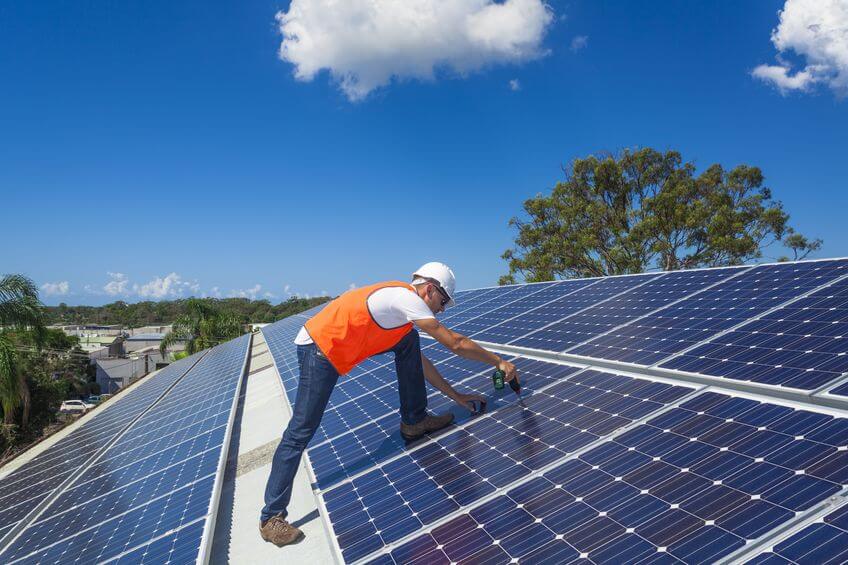
Trees grow, new construction happens nearby — shading conditions can change significantly since your system’s original design, and periodic reassessment of your roof’s shading pattern is worthwhile if you notice output declining over months or years.
Inverter Issues
Inverters can experience partial failures that reduce output without a complete shutdown — checking for error codes and comparing per-panel or per-string data (if available) helps isolate whether the issue affects the whole system or just specific panels/strings.
When to Get a Professional Diagnosis
If your comparison against PVWatts or your original estimate shows a meaningful, sustained gap, and basic checks (cleaning, visual shading inspection) don’t explain it, a professional diagnosis is warranted — this may include on-site inspection, thermal imaging, or detailed monitoring data analysis.
Concerned your system is underperforming? Get expert diagnosis: (855) 427-0058
Frequently Asked Questions
How do I know if my solar panels are underperforming?
Compare actual production against PVWatts or your original system design estimate to identify a meaningful gap.
What causes solar panels to underperform?
Faster-than-expected degradation, new shading, soiling, inverter faults, or original installation issues.
Is a sudden output drop normal panel degradation?
No — normal degradation is gradual (0.3-0.5%/year); a sudden drop points to a specific fault.
Can shading conditions change after installation?
Yes — tree growth or new nearby construction can create shading that wasn’t present at installation.
How do I check for inverter issues affecting output?
Check for error codes and review per-panel or per-string monitoring data if available.
What is PVWatts and how does it help diagnose underperformance?
A free NREL tool that models expected production for your location, useful as an independent comparison benchmark.
When should I get a professional diagnosis for underperformance?
When a meaningful, sustained production gap persists after basic checks like cleaning and shading inspection.
Summing Up
Comparing actual production against a proper benchmark is the key to accurately diagnosing underperformance. For expert diagnosis of your system, call (855) 427-0058 or visit us.solarpanelsnetwork.com.
Updated