
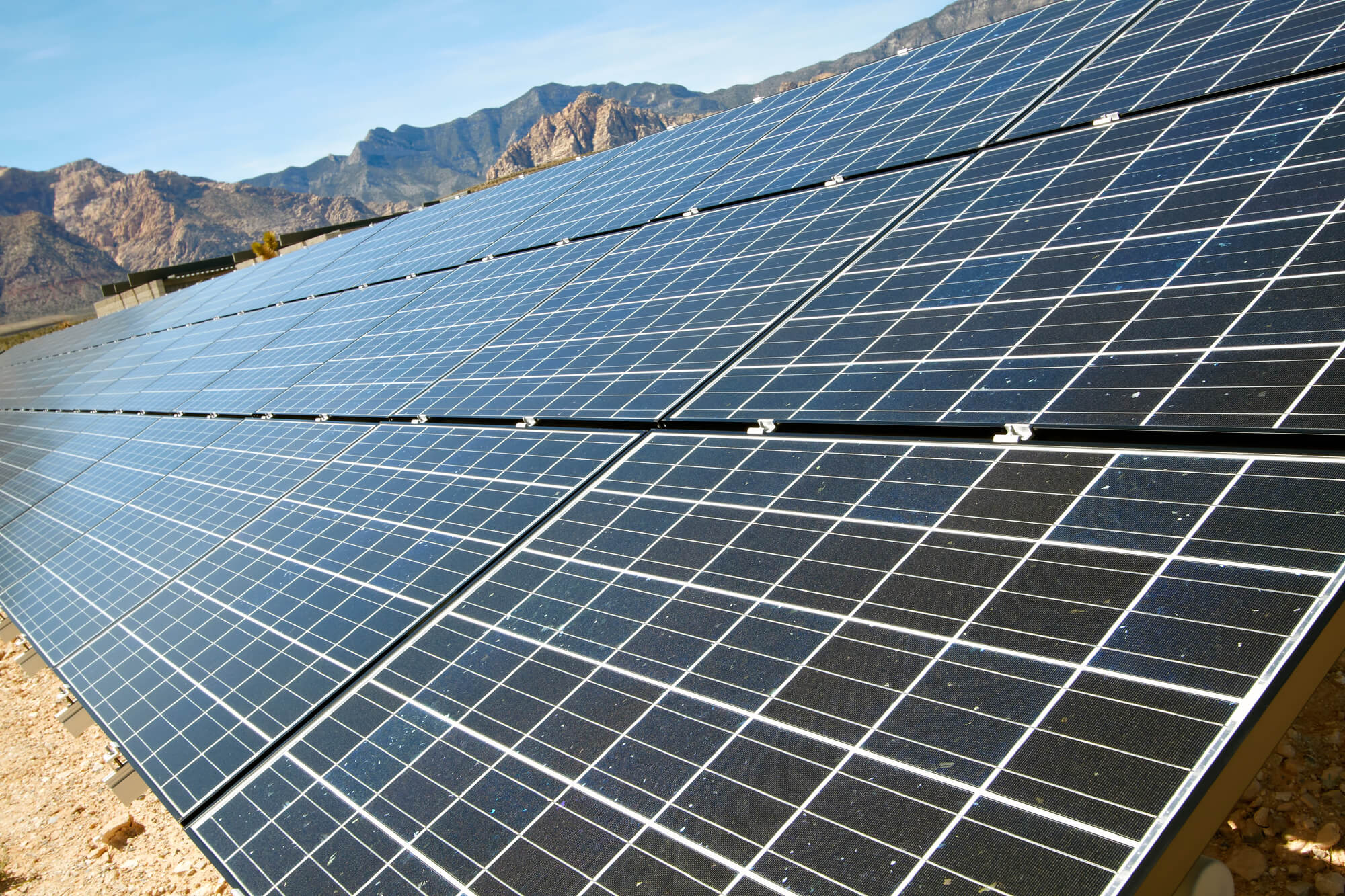
A solar array is simply the term for multiple solar panels connected together to work as one system — the building block of everything from small residential rooftop installations to massive utility-scale solar farms. Arrays are organized through series and parallel wiring configurations that determine voltage, current, and how the system connects to inverters.
Array Definition and Scale
| Scale | Typical Panel Count | Example |
|---|---|---|
| Small residential | 10-20 panels | Typical home rooftop system |
| Large residential/small commercial | 20-50 panels | Larger homes, small businesses |
| Commercial | Hundreds to thousands | Warehouses, large facilities |
| Utility-scale | Tens of thousands to millions | Large solar farms (100+ MW) |
Series Wiring
Panels wired in series have their voltages added together while current stays the same as a single panel — this is how a “string” is formed, and string inverters require a minimum voltage threshold to operate, which is why panels are typically grouped in series strings of a specific count.
Parallel Wiring
Panels or strings wired in parallel have their currents added together while voltage stays the same — combining multiple series strings in parallel allows a larger array to be built while keeping voltage within the inverter’s operating range.
Series-Parallel Combinations
Most real-world arrays use a combination: panels grouped in series to form strings, and multiple strings connected in parallel to build up total system capacity — this approach balances voltage and current within the equipment’s rated limits while scaling to the desired system size.
Residential vs. Utility-Scale Arrays
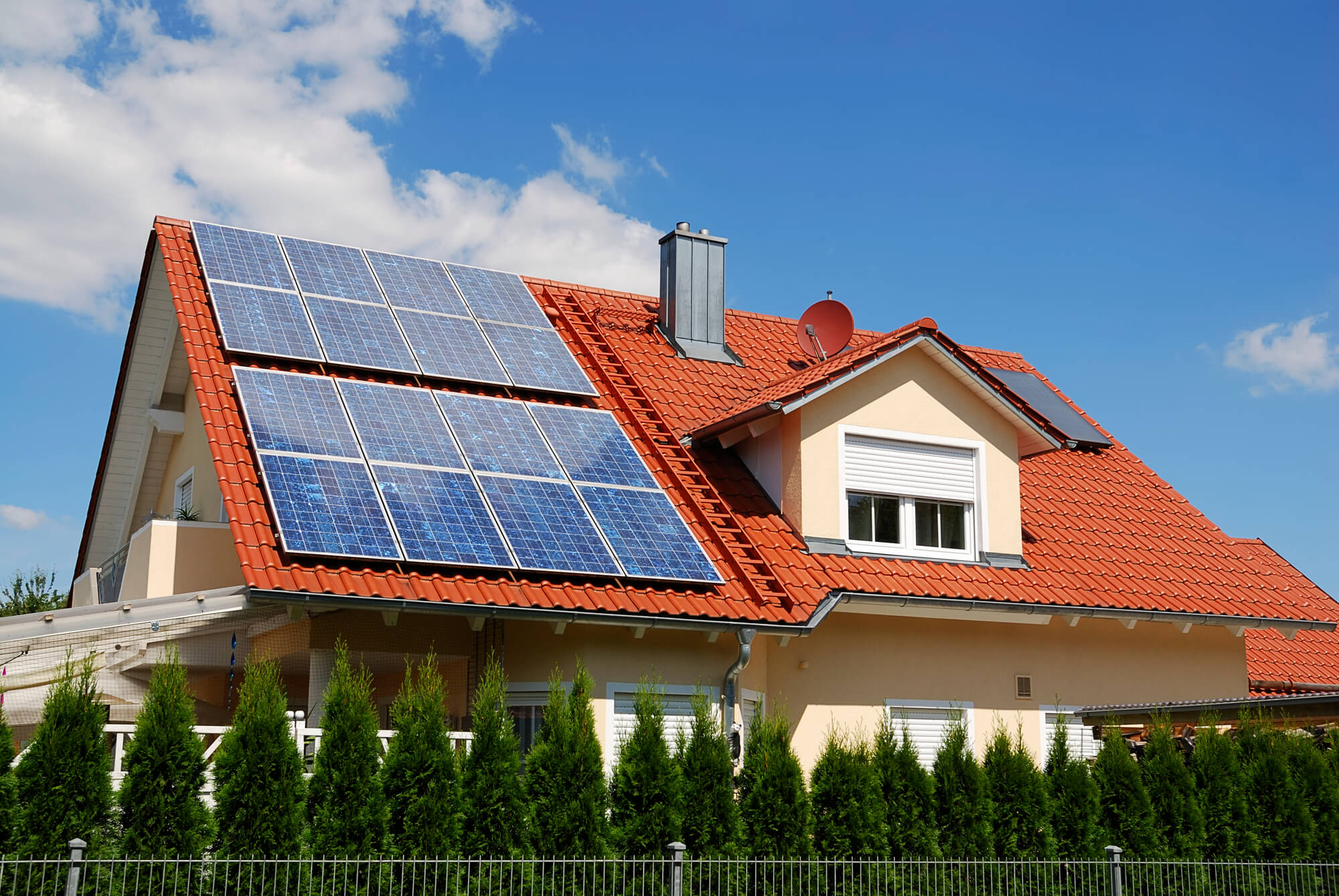
A residential array might be a single string or a few parallel strings feeding one inverter, while a utility-scale array involves thousands of panels organized into many strings feeding multiple large inverters — the underlying series/parallel principles scale up, but the engineering complexity grows substantially with array size.
Ready to design your own solar array? Get a free quote: (855) 427-0058
Frequently Asked Questions
What is a solar array?
A group of multiple solar panels connected together to work as one system.
What’s the difference between series and parallel wiring in a solar array?
Series adds voltage while keeping current the same; parallel adds current while keeping voltage the same.
What is a solar string?
A group of panels wired in series, forming the basic building block of an array.
Why do arrays use both series and parallel wiring?
To balance voltage and current within equipment limits while scaling to the desired system size.
How large can a solar array be?
From 10-20 panels for a small home system to millions of panels for utility-scale solar farms.
Does a bigger array always mean more complexity?
Yes — larger arrays require more sophisticated string and inverter design to manage effectively.
Is a solar array the same as a solar farm?
A solar farm is a large-scale array; the term “array” applies at any scale, from residential to utility.
Summing Up
Understanding how solar arrays are built helps clarify how systems of any size are designed and wired. To design an array for your home, call (855) 427-0058 or visit us.solarpanelsnetwork.com.
Updated