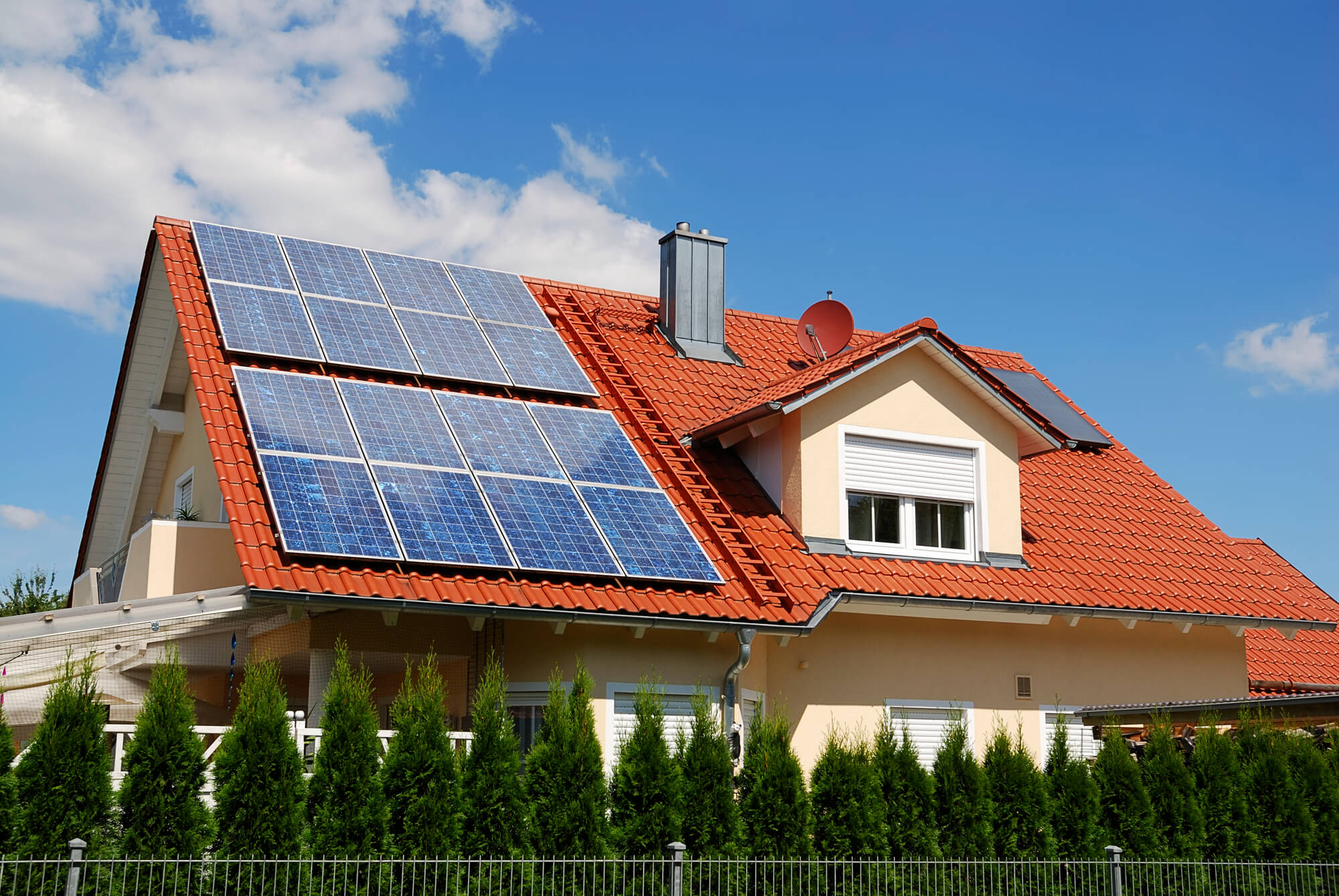

As domestic solar manufacturing experiences growth following policy incentives under the Inflation Reduction Act, more U.S. consumers ask which solar panels are actually manufactured in America. The solar panel supply chain is increasingly global, but a growing number of manufacturers produce panels or panel components domestically. Understanding which panels are made in the U.S., where manufacturing occurs, and how domestic production compares to imported panels helps consumers align their purchasing decisions with economic and policy objectives.
Buying American-made solar panels supports domestic manufacturing jobs, reduces supply chain risks, and strengthens energy independence. The U.S. solar industry is investing heavily in domestic production capacity as tariffs, supply chain disruptions, and federal incentives make domestic manufacturing economically viable. This comprehensive guide identifies American solar panel manufacturers and explains the benefits and considerations of choosing domestically produced panels.
Contents
- 1 Overview of U.S. Solar Panel Manufacturing
- 2 U.S.-Based Solar Panel Manufacturers
- 3 Manufacturing Location Distinctions
- 4 Inflation Reduction Act Incentives for Domestic Manufacturing
- 5 Comparing American-Made to Imported Panels
- 6 Certification and Verification of Domestic Content
- 7 Economic and Strategic Considerations
- 8 Future U.S. Manufacturing Expansion
- 9 Frequently Asked Questions
- 9.1 What percentage of solar panels sold in the U.S. are American-made?
- 9.2 Is SunPower made in America?
- 9.3 What is the domestic content bonus credit?
- 9.4 Are American-made panels more expensive?
- 9.5 Are American-made panels more reliable than imported panels?
- 9.6 Which companies manufacture solar panels in the U.S. in 2024?
- 10 Summing Up
Overview of U.S. Solar Panel Manufacturing
Until recently, virtually all solar panels sold in the U.S. were imported, primarily from China, Vietnam, and other Southeast Asian countries. Current market share: approximately 95% of panels consumed in the U.S. are imported, with Chinese manufacturers dominating the global market (JinkoSolar, JA Solar, Canadian Solar, Trina, LONGi).

However, U.S. manufacturing is expanding. The Inflation Reduction Act (2022) created investment tax credits, domestic content bonus credits, and workforce development support for domestic manufacturing, spurring construction of new U.S. production facilities. Current and near-future U.S. manufacturing capacity is projected to reach 15–20 GW annually by 2027, up from roughly 2 GW currently.
Key point: When discussing “American-made” solar panels, context matters. Some manufacturers assemble panels in the U.S. using imported cells and components. Others manufacture cells domestically. Full vertical integration (wafer to finished panel) is rare but increasing. Understanding manufacturing location and content is essential to making informed choices.
U.S.-Based Solar Panel Manufacturers
Sunpower (California-Based, Imported Cells): SunPower manufactures residential panels through contract manufacturers in the Philippines and Malaysia, then performs final assembly and testing in the U.S. (Milpitas, California). Premium panels with 21–22% efficiency. Emphasizes American brand and design despite imported cell manufacturing. Price: premium (20–30% above commodity panels).
Tesla Solar Roof (Nevada Manufacturing): Tesla manufactures solar roof tiles at its Gigafactory Nevada facility. Uses Panasonic cells (partnership) assembled into Tesla’s proprietary solar roof system. Limited deployment scale, premium pricing, unique building integration approach. Not traditional rooftop panels but integrated roof replacement alternative.
Hanwha Q CELLS (Georgia): German company with U.S. manufacturing presence in Georgia. Produces some panels at Georgia facility, though capacity is limited. Emphasis on North American market and domestic supply chain. Plans to expand U.S. manufacturing capacity significantly through 2026.
Jinko Solar (Arizona and Florida Plans): Chinese parent company (world’s largest panel manufacturer) announced Arizona (Phoenix) and Florida manufacturing facilities expected to begin production 2024–2025. When operational, will produce panels for North American market with domestic content eligibility for tax credits.
First Solar (Arizona and Emerging Competitors): American company specializing in thin-film cadmium-telluride (CdTe) technology rather than silicon. Manufactures modules in Ohio and Arizona facilities. Different technology than crystalline silicon (monocrystalline/polycrystalline) with 14–15% efficiency but advantages in heat tolerance and manufacturing energy efficiency. Growing deployment in utility-scale projects.
Soluna Holdings (Texas): U.S.-based manufacturer focusing on flexible and high-efficiency panels. Manufacturing operations emerging in Texas. Still scaling production, with limited product availability in residential market currently.
Emerging Manufacturers: Aleo Solar, Sunwize, and other emerging U.S.-based startups are establishing manufacturing capacity, though most remain pre-commercial or in early production phases with limited availability through residential installers.
Manufacturing Location Distinctions
Panel Assembly in U.S. (Imported Cells): Cells manufactured overseas, final panel assembly in U.S. Benefits: supports American jobs, qualifies for some domestic content preferences, allows customization. Cost impact: minimal premium above import cost. Examples: SunPower, some Hanwha Q CELLS products.
Cell + Module Manufacturing in U.S.: Complete manufacturing from wafer through finished panel in the U.S. Benefits: maximum domestic content, energy independence, supply chain resilience. Cost impact: 10–15% premium to imported commodity panels due to higher U.S. labor and manufacturing costs. Examples: First Solar, planned Jinko Arizona facility, future Hanwha expansion.
Wafer + Cell + Module Manufacturing (Rare): Complete vertical integration from silicon wafer through finished panel. Practically nonexistent currently in U.S. due to high capital requirements and commodity pricing pressure. Future vertical integration planned by some emerging manufacturers but unlikely to scale significantly before 2028–2030.
Inflation Reduction Act Incentives for Domestic Manufacturing
The Inflation Reduction Act creates substantial incentives for domestic panel manufacturing:
Domestic Content Bonus Credit: Residential solar installations using panels with 40% U.S. domestic content receive an additional 10% investment tax credit on top of the base 30% ITC. This creates 40% total federal tax credit for systems using qualifying domestic-content panels. Domestic content percentage must be certified and documented.
Manufacturing Investment Tax Credit: Manufacturers investing in U.S. production facilities receive 30% investment tax credit on facility construction and equipment costs. This accelerates domestic manufacturing capacity expansion.
Workforce Development Grants: Federal funding for training programs supporting solar manufacturing workforce development.
Practical impact: The 40% federal tax credit (30% base + 10% domestic content bonus) makes domestic-content panels economically competitive with imported commodity panels even at modest price premiums. This has catalyzed manufacturing announcements across the industry.
Comparing American-Made to Imported Panels
Efficiency: U.S. manufacturers typically focus on premium efficiency (SunPower 21–22%, Hanwha Q CELLS 19–21%, First Solar 14–15% CdTe technology). Imported commodity leaders (JinkoSolar, LONGi, Trina) achieve similar efficiency (20–22% monocrystalline) at lower cost. Efficiency differences: minimal between top U.S. and imported brands.

Cost: American-made panels typically cost 10–30% more than imported commodity panels. With 40% domestic content bonus credit, installed cost difference shrinks to 5–15% premium. First Solar (unique CdTe technology) operates at parity or slight discount to monocrystalline panels due to different technology economics.
Reliability and Warranty: Quality parity. Both U.S. and imported panels from major manufacturers offer 25-year product warranties and performance guarantees. Failure rates are comparable (0.5–1% annually).
Supply Chain Risk: U.S. manufacturing reduces dependence on international supply chains. Geopolitical risks (China-Taiwan tensions, trade disputes) don’t affect domestically manufactured panels. Import tariffs don’t apply to domestic production.
Environmental Impact: Domestic manufacturing allows transparency on sourcing and labor practices. Shorter transportation distances reduce logistics emissions. Some U.S. manufacturers emphasize renewable energy use in manufacturing (SunPower, First Solar). Imported panels manufactured in regions with dirtier grids have higher embedded carbon, though differences are modest (typically 10–20% higher lifecycle emissions for imported panels).
Certification and Verification of Domestic Content
To claim the 40% domestic content bonus credit, panels must be certified as meeting specific domestic content requirements. Documentation includes:
Form 3520-E (or equivalent): IRS form certifying domestic content percentage based on value of U.S.-sourced materials and labor.
Manufacturer Certification: Producer provides documentation of manufacturing location, component sourcing, and domestic content calculation.
Installer Verification: Solar installers must obtain and maintain domestic content certification for systems claiming the bonus credit. Failure to document properly can disqualify the bonus 10% credit.
Practical point: Ensure installers understand domestic content documentation requirements when selecting American-made panels. Not all installers are familiar with IRA domestic content bonus credit processes.
Economic and Strategic Considerations
Cost-Benefit Analysis: The 40% federal domestic content bonus typically justifies a 5–15% price premium for American-made panels. If premium exceeds 10%, imported commodity panels may offer better value despite losing the bonus credit. Run installer analysis: compare total installed cost using American-made + 40% credit versus imported commodity + 30% credit.
Supply Chain Resilience: Businesses and utilities increasingly view domestic supply chain diversity as strategic value. Large commercial installations and corporations may prefer American-made panels despite modest cost premiums to support supply chain resilience and avoid future tariff exposure.
Job Support and Manufacturing Growth: Consumers committed to supporting U.S. manufacturing jobs may choose domestic panels even absent economic advantage, recognizing that volume drives down costs and expands manufacturing capacity long-term.
Geopolitical Risk: International supply chain disruptions (trade disputes, tariffs, transportation delays) create unpredictability for imported panels. Domestic sourcing eliminates this risk.
Future U.S. Manufacturing Expansion
Expected to expand significantly through 2026–2028:
Jinko Solar Arizona Facility: 6+ GW annual capacity (announced). Expected online 2024–2025, manufacturing panels for North American market.
LONGi Solar U.S. Expansion: Chinese manufacturer exploring U.S. manufacturing facilities to capture domestic content bonus credits.
Hanwha Q CELLS Georgia Expansion: Significant capacity increase through 2026 as German company scales U.S. operations.
Emerging Pure-Play U.S. Manufacturers: New companies launching production focused on premium efficiency and specialized applications (bifacial, perovskite hybrid, building-integrated designs).
By 2027–2028, U.S. manufacturing capacity may reach 15–20 GW annually, producing roughly 15–20% of domestic demand. This will increase availability of domestic-content panels and likely reduce prices as manufacturing economies of scale improve.
Frequently Asked Questions
What percentage of solar panels sold in the U.S. are American-made?
Approximately 5% of panels consumed in the U.S. are currently manufactured domestically. However, this percentage is growing rapidly as new facilities come online, with projections reaching 15–20% by 2027 as Jinko, Hanwha, and other manufacturers expand U.S. capacity.
Is SunPower made in America?
SunPower is an American company headquartered in California and performs final assembly and testing in the U.S. However, solar cells are manufactured overseas (Philippines, Malaysia) and then assembled into panels in the U.S., making SunPower a hybrid domestic-imported product.
What is the domestic content bonus credit?
Under the Inflation Reduction Act, residential solar installations using panels with 40% domestic content (by value) receive an additional 10% investment tax credit on top of the base 30% ITC, totaling 40% federal tax credit. Panels must be certified as meeting domestic content requirements.
Are American-made panels more expensive?
American-made panels typically cost 10–30% more than imported commodity panels due to higher U.S. labor and manufacturing costs. However, the 40% domestic content bonus credit typically compensates, making total installed cost competitive with or only slightly higher than imported panels.
Are American-made panels more reliable than imported panels?
Quality parity exists between top U.S. and imported manufacturers. Both offer 25-year warranties and similar failure rates. Reliability depends more on specific brand and product quality than manufacturing location.
Which companies manufacture solar panels in the U.S. in 2024?
Current U.S. manufacturers include SunPower (assembly), Hanwha Q CELLS (Georgia), First Solar (Arizona/Ohio), and Tesla (Nevada). Jinko Solar is establishing Arizona production. Additional manufacturers are planning U.S. facilities, with significant expansion expected through 2027.
Summing Up
While 95% of solar panels consumed in the U.S. are currently imported, domestic manufacturing is expanding rapidly thanks to Inflation Reduction Act incentives. American-made panels offer supply chain resilience, job support, and economic competitiveness when combined with the 40% domestic content bonus federal tax credit.
SunPower, First Solar, Hanwha Q CELLS, and upcoming Jinko Arizona production represent growing U.S. manufacturing options. For consumers prioritizing American-made and willing to accept modest cost premiums, these panels deliver equivalent quality and efficiency to imported commodity panels while supporting domestic manufacturing growth and supply chain independence.
Interested in exploring American-made solar panels for your home or business? Call (855) 427-0058 to discuss available domestic-content options and how the 40% federal tax credit applies to your installation, or get a free quote today.
Updated