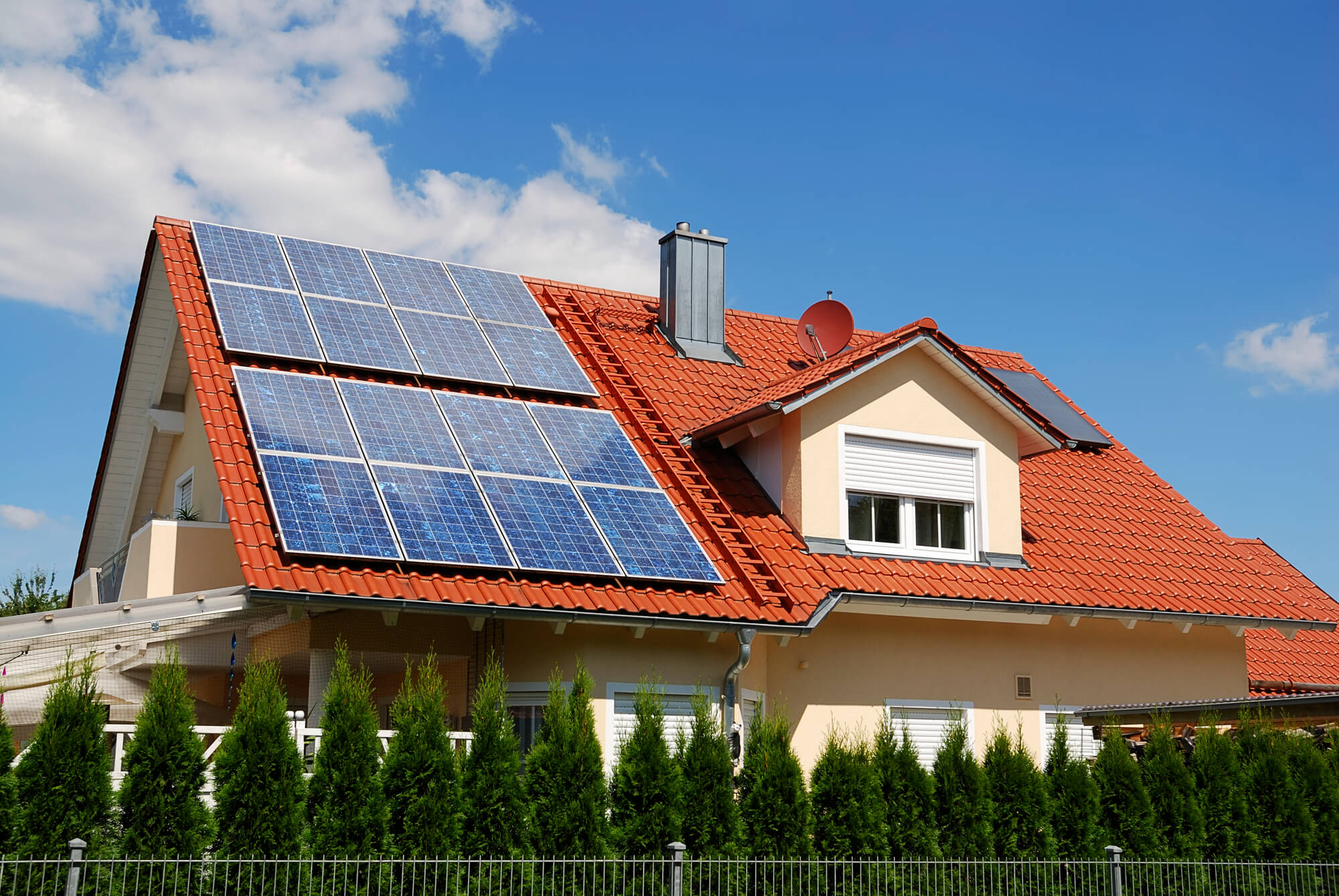
Solar panels sometimes develop visible discoloration—yellowing, browning, or dark spots—that concerns homeowners and raises questions about system health. In most cases, discoloration is cosmetic and doesn’t significantly impact electrical output. However, some discoloration patterns indicate underlying degradation that reduces performance. Understanding the causes, differentiating cosmetic from performance-impacting discoloration, and knowing what actions to take helps you maintain system integrity and manage expectations about panel appearance over time.
This guide explores common discoloration types, their causes (UV exposure, moisture intrusion, material chemistry), performance impacts, prevention strategies, and when discoloration warrants professional inspection. By understanding panel degradation mechanics, you can distinguish between minor cosmetic aging and serious defects requiring intervention.
Contents
- 1 EVA Yellowing: The Most Common Discoloration
- 2 Delamination: Separation of Panel Layers
- 3 Browning and Darkening: Moisture and Contamination
- 4 Hot Spots and Localized Discoloration
- 5 Backsheet Degradation and Micro-Cracks
- 6 White Corrosion and Oxide Layers
- 7 Performance Testing: Determining If Discoloration Affects Output
- 8 Warranty Coverage for Discoloration
- 9 Aesthetic Expectations and Long-Term Panel Appearance
- 10 Maintenance and Prevention Strategy
- 11 Frequently Asked Questions
- 12 Summing Up
EVA Yellowing: The Most Common Discoloration
The most common discoloration is EVA (ethylene vinyl acetate) yellowing—the encapsulant material between glass and silicon cells gradually turns yellow or amber under UV exposure and heat. EVA is transparent by design, allowing sunlight to reach cells; however, UV rays degrade EVA’s chemical structure, creating yellowing. This process is accelerated by heat, humidity, and sustained high temperatures. Panels in hot climates yellow more rapidly than panels in temperate climates.
EVA yellowing is primarily cosmetic—a yellowed panel that previously transmitted 97% of sunlight might transmit 94-95% after years of yellowing, a 3% output loss. This small performance impact is less than normal annual degradation (0.5-0.8%). However, EVA yellowing sometimes correlates with more serious issues: if EVA yellowing is accompanied by delamination (separation of layers), the situation becomes more serious. Good-quality panels use UV-stabilized EVA formulations that minimize yellowing; budget panels sometimes use lower-grade EVA that yellows extensively.
Prevention: Quality manufacturers use premium EVA and UV-stabilizing additives that slow yellowing. During panel selection, ask manufacturers about EVA type and UV stability testing. Panels with explicit UV-stability certifications will yellow less than budget alternatives. Regular cleaning (removing dust/debris) slightly slows degradation by reducing local heat concentrations, though this effect is minor compared to material quality.
Delamination: Separation of Panel Layers
More serious than cosmetic yellowing is delamination—separation of the glass, EVA, cells, or backsheet from one another. Delamination appears as bubbling, peeling, or white streaks where layers have separated. Delamination results from several causes: poor encapsulation (insufficient EVA coverage or inadequate lamination pressure), EVA degradation under UV/heat stress, moisture intrusion breaking adhesive bonds, or thermal stress from rapid temperature cycling.
Delamination is problematic because it enables moisture entry into panel interior. Once water reaches cells, corrosion accelerates: metallic contacts corrode, solder connections degrade, and cell performance drops. Severely delaminated panels can lose 10-30% output or fail entirely. Delamination is a manufacturing defect—panels should not delaminate during warranty period under normal conditions. If your panels show delamination within 25 years, this is warranty claim material; reputable manufacturers replace delaminated panels.
Prevention: buy from quality manufacturers with proven delamination rates. Ask about warranty coverage for delamination specifically. Ensure proper installation (adequate racking support, appropriate mounting to distribute load). Avoid extreme temperature cycling if possible, though most installations face seasonal temperature swings that can’t be avoided. Prompt panel cleaning (avoiding aggressive scrubbing that might stress seals) maintains system health.
Browning and Darkening: Moisture and Contamination
Some panels develop brown or dark discoloration, particularly in humid or wet climates. This browning typically results from one of several causes: (1) moisture accumulation under panels or between layers, encouraging algae and mold growth; (2) internal corrosion of metallic components (copper interconnects, silver contacts) creating dark oxides visible through transparent EVA; (3) soil, dust, or mineral deposits concentrated by water evaporation on panel surfaces. Browning concentrated at panel edges often indicates moisture intrusion at seals; browning distributed across the panel often indicates soiling (dirt accumulation) or algae growth.
Performance impact depends on cause. Surface soiling or algae reduces light transmission by 5-20% and can be addressed by cleaning. Internal browning from corrosion is more serious, potentially reducing output 10-30% if extensive. Moisture-caused browning at edges suggests seal failure, which will worsen over time as moisture penetrates deeper into the panel. Panels with significant moisture-induced browning should be inspected by professionals and potentially replaced if corrosion has reached cells and interconnects.
Prevention: install panels where water drains away from the system (proper tilt angle, gutters below). In humid climates, ensure ventilation under panels (airflow prevents moisture accumulation). Regular cleaning (quarterly to semi-annually in humid climates) removes algae before it becomes extensive. Use quality mounting hardware and flashing to prevent water intrusion at penetrations. Consider anti-soiling coatings in very dirty environments (agriculture, coastal regions with salt spray), though their cost-benefit is debatable.
Hot Spots and Localized Discoloration
Sometimes discoloration appears as localized dark spots or patches, often with the appearance of burned areas. These “hot spots” result from localized overheating—a region of the panel dissipating heat more intensely than surrounding areas. Causes include: (1) shading (partial cell shading causes current concentration and overheating); (2) internal cell defects or micro-cracks concentrating current; (3) solder joint defects; (4) interconnect failures. Hot spots are serious—they indicate internal electrical stress and enable accelerated local degradation.
Hot spots reduce output in the affected region and accelerate degradation around the spot. Under warranty, hot spots are defects qualifying for replacement. If hot spots appear during operation (not present when installed), thermal imaging can identify them even when visually subtle. Bypass diodes in the junction box are designed to disconnect hot-spot cells from the circuit, protecting panels from further damage, but this comes at output cost. Panels with hot spots should be inspected professionally and usually replaced under warranty.
Prevention: proper installation avoiding shading, quality panels with rigorous cell and solder testing, and regular thermal imaging inspection (via drone or infrared camera) can identify hot spots early. If hot spots develop post-installation, involve the installer and manufacturer in warranty claim process immediately.
Backsheet Degradation and Micro-Cracks
The backsheet (typically Tedlar or polyester) is the bottom panel layer protecting internal components from moisture and external damage. Backsheet degradation appears as yellowing, cracking, or peeling of the backsheet material, usually visible only if you look at the panel’s back side. Backsheet degradation is caused by UV exposure (backsheet receives less UV than front, but some penetrates), moisture intrusion, and thermal cycling.
As backsheet degrades, its moisture barrier function diminishes, enabling increased moisture ingress that accelerates cell corrosion. Additionally, backsheet provides electrical insulation; degradation can create electrical safety risks. Micro-cracks in the backsheet (often invisible to the eye but detectable via electrical testing) can enable moisture entry and electrical leakage. Backsheet degradation is a sign of poor manufacturing quality or product age approaching end-of-life. Panels with significant backsheet degradation should be evaluated for replacement.
Prevention: choose panels from quality manufacturers specifying backsheet material and durability. Premium backsheet materials (fluoro-polymers like Tedlar) last longer than basic polyester. Ensure proper ventilation under panels to minimize moisture trapping.
White Corrosion and Oxide Layers
Occasionally, white crusty or powdery material appears on panels, usually around frame edges or mounting points. This is typically aluminum oxide (white corrosion) from the aluminum frame reacting with moisture and salt spray. While aluminum oxidation forms a protective layer, extensive white corrosion indicates significant moisture exposure and potential corrosion of mounting hardware and internal components. White corrosion appearance is a warning sign that moisture control is inadequate.
Performance impact from white surface corrosion alone is minimal; however, white corrosion indicates that moisture is reaching metal components internally, where serious corrosion can occur. Panels displaying white frame corrosion should be inspected for internal corrosion (opens circuit testing, thermal imaging) and moisture intrusion. If internal corrosion is extensive, replacement is advisable. White corrosion in coastal regions with salt spray is relatively common; however, quality stainless steel hardware and frames resist this better than regular aluminum.
Prevention: use quality mounting hardware (stainless steel bolts and racking, not standard steel), ensure water drainage away from penetrations, and maintain panel seals and flashing. In coastal regions, premium corrosion-resistant hardware is worthwhile investment.
Performance Testing: Determining If Discoloration Affects Output
The question that matters: does discoloration indicate actual performance loss? Visual appearance alone doesn’t determine this. A panel with significant yellowing might have only 1-2% output loss; a panel with subtle hot spots might have 20%+ loss. Professional testing clarifies actual impact. IV curve testing (measuring current-voltage characteristics) identifies electrical performance accurately. Thermal imaging reveals hot spots and internal defects invisible to the eye. These tests are performed during system inspections or diagnostic calls if performance issues are suspected.
If your system has discolored panels and you’re concerned about performance, request IV curve testing and thermal imaging from your installer or a qualified solar technician. These tests quantify actual output loss and guide decisions about repairs, replacements, or warranty claims. Most installers can perform these tests for $300-$600, providing definitive answers about whether discoloration warrants action.
Warranty Coverage for Discoloration
Most panel warranties explicitly cover “cosmetic defects” including discoloration for the first 2-5 years (sometimes longer). However, coverage criteria vary: some warranties cover any visible discoloration; others cover only discoloration exceeding 10% of panel surface or discoloration causing measurable output loss. Read your specific warranty carefully. Premium manufacturers typically have more generous discoloration coverage than budget manufacturers.
For warranty claims: document discoloration with photos, note when it appeared, and contact your installer or panel manufacturer. Manufacturers will evaluate claims and determine if replacement is warranted. Be aware some manufacturers view minor yellowing (less than 5% surface coverage) as normal aging, not covered by warranty. However, significant discoloration, delamination, or performance-impacting degradation are typically covered.
Aesthetic Expectations and Long-Term Panel Appearance
Realistic expectation: panels will develop some cosmetic discoloration over 25-30 years. Slight yellowing of encapsulant is normal and doesn’t significantly impact output. Panels don’t stay pristine white throughout their lifespan—they age visibly, similar to other outdoor equipment (roofs, siding, etc.). This is cosmetic aging, not defect. As long as performance remains within warranty specifications (80%+ output after 25 years), aesthetic aging is acceptable.
However, significant discoloration appearing within 5-10 years (not gradual over 25 years) suggests manufacturing quality issues and warrants investigation. Early discoloration patterns indicate potential latent defects that may worsen. If your panels look significantly aged within the first decade, quality issues are likely; involve manufacturer and installer to evaluate warranty claims and determine if replacement is appropriate.
Maintenance and Prevention Strategy
Comprehensive maintenance strategy to prevent accelerated discoloration: (1) semi-annual cleaning to remove dirt and algae, reducing moisture trapping and soiling; (2) annual inspections checking for visible discoloration patterns, focusing on edges for moisture intrusion signs; (3) thermal imaging every 3-5 years to identify hidden hot spots; (4) professional electrical testing if discoloration patterns suggest performance issues; (5) prompt flashing/seal repairs if moisture intrusion is discovered. Most of these tasks are inexpensive (cleaning is DIY-doable, thermal imaging might cost $200-$400 for professional service), and early detection prevents expensive problems.
Additionally, proper installation and ongoing system monitoring (via performance data from your inverter/monitoring system) provide early warning of output loss. If your system generates less electricity than expected for weather and season, investigate—discoloration or internal defects might be responsible. Modern monitoring systems email alerts if production drops unexpectedly, enabling rapid problem detection.
Frequently Asked Questions
Does yellowing of solar panels affect output?
Slight yellowing (cosmetic aging) reduces output by only 1-3%, less than normal annual degradation. Significant yellowing or yellowing paired with delamination is more serious and warrants professional inspection. Most yellowing is normal aging, not defect.
Is delamination covered by warranty?
Yes, delamination is typically covered by manufacturer warranty during the warranty period (usually 25 years). Delamination is a manufacturing defect—panels should not delaminate under normal conditions. Document with photos and contact manufacturer for replacement.
What do hot spots mean?
Hot spots indicate localized overheating due to shading, cell defects, or solder problems. They reduce output in affected regions and accelerate degradation. Hot spots are defects warranting professional inspection and usually warranty replacement. Thermal imaging can identify hot spots even when invisible to the eye.
How can I tell if discoloration is just cosmetic or performance-impacting?
Visual appearance alone doesn’t determine impact. Professional IV curve testing and thermal imaging quantify actual performance loss. These tests cost $300-$600 and definitively show whether discoloration is cosmetic (minor output loss) or serious (significant loss). Request testing if concerned.
Can I clean off discoloration?
Surface soiling and algae can be cleaned (removing 5-20% output loss if heavy). However, internal discoloration (EVA yellowing, corrosion) cannot be cleaned. For internal issues, only replacement helps. Regular cleaning (quarterly to semi-annually) prevents soiling accumulation and algae growth.
Should I replace discolored panels?
Not always. Cosmetic discoloration (slight yellowing) doesn’t warrant replacement. Significant discoloration with measured output loss, delamination, or multiple defects warrants investigation and possibly replacement, especially if within warranty period. Performance testing guides decisions.
Summing Up
Solar panel discoloration is common and usually cosmetic, with minimal impact on output. EVA yellowing is normal aging, reducing output less than 3% over decades. However, some discoloration patterns—delamination, hot spots, moisture-induced browning—indicate defects reducing performance significantly and warranting professional evaluation and possibly warranty replacement.
Realistic expectations: panels will develop some visible aging over 25-30 years, similar to other outdoor equipment. Slight discoloration within warranty period is normal. Significant discoloration appearing early (within 5-10 years) suggests quality issues and warrants warranty claim investigation. Maintain panels through regular cleaning, periodic inspections, and thermal imaging testing. If discoloration appears concerning, professional testing ($300-$600) quantifies actual performance impact and guides repair or replacement decisions. Most panels successfully operate for 25-30+ years despite cosmetic aging, delivering electricity generation throughout their lifespan.
Get a Free Solar Quote → (855) 427-0058
Updated