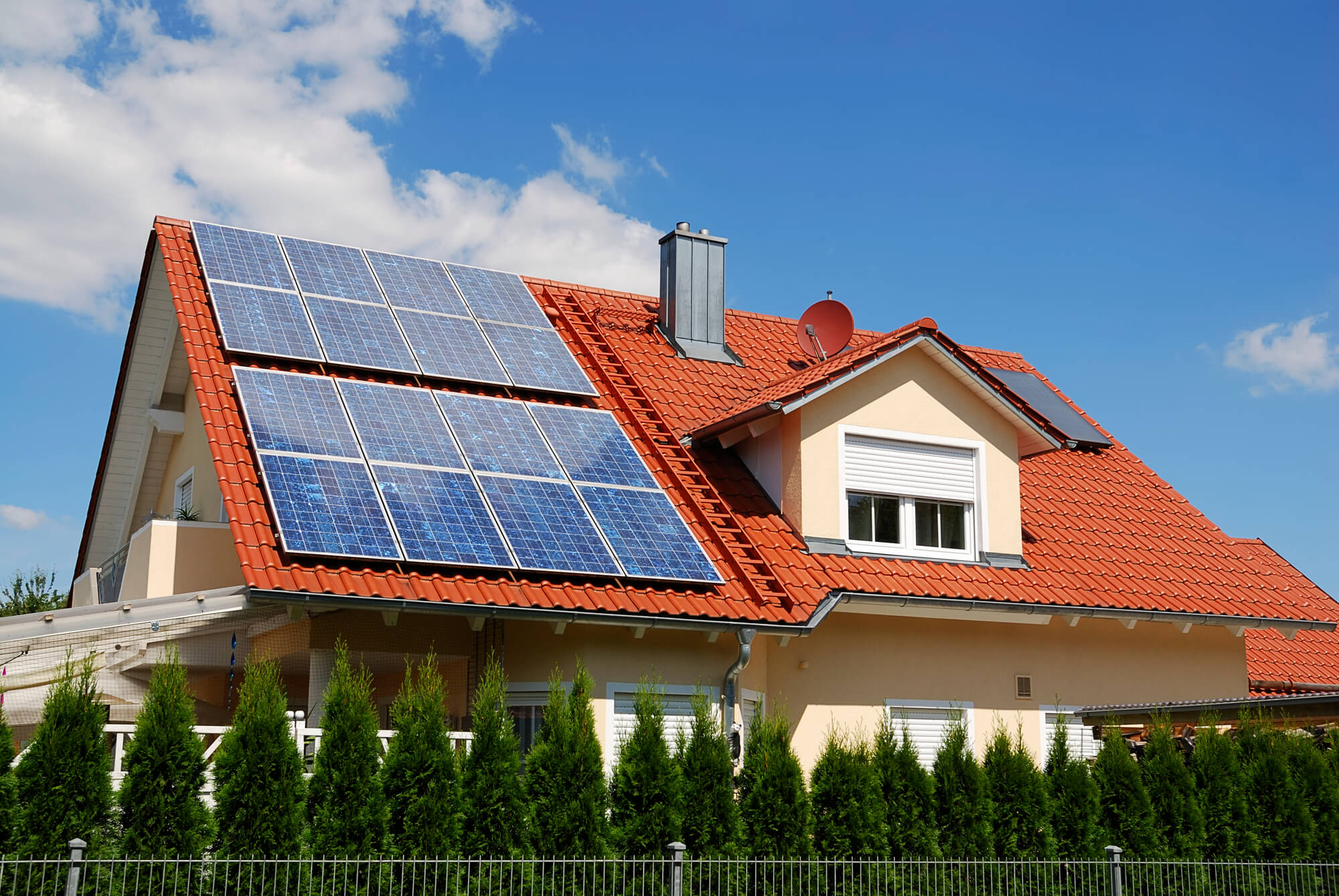
Solar panel cleaning is necessary maintenance that preserves system performance and efficiency. However, many homeowners make a critical mistake by attempting to clean panels with high-pressure washers, which can cause severe damage that reduces system output, voids manufacturer warranties, and creates costly repair situations. Understanding why pressure washing is risky and knowing safe cleaning alternatives ensures your panels remain protected and functioning optimally.
This guide explains the risks of pressure washing solar panels, documents common damage patterns, describes safe cleaning methods approved by manufacturers, and provides best practices for maintaining your solar investment.
Contents
- 1 Why Pressure Washing Damages Solar Panels
- 2 Specific Damage Risks from Pressure Washing
- 3 Warranty Implications of Pressure Washing
- 4 Safe Cleaning Methods Approved by Manufacturers
- 5 When Cleaning Is Necessary
- 6 Identifying Pressure-Washing Damage
- 7 Best Practices for Panel Maintenance
- 8 Frequently Asked Questions
- 9 Summing Up
Why Pressure Washing Damages Solar Panels
Pressure washers typically deliver 1,500–4,000 pounds per square inch (PSI) of water pressure. This force, while useful for cleaning driveways or house siding, is far too aggressive for the delicate structure of solar panels.
Panel Construction Vulnerability: Solar panels consist of multiple layers: tempered glass top (roughly 3–4mm thick), encapsulant (EVA plastic), silicon cells, another EVA layer, and a backsheet. These layers are bonded together with adhesives. High-pressure water penetrates seams, stresses seals, and can separate layers by forcing water between the glass and encapsulant.
The panel frame (aluminum) is sealed to the glass perimeter using a sealant. Pressure washing forces water behind this seal, bypassing the weatherproofing and allowing water to enter the panel interior. Once inside, water accelerates component corrosion and cell degradation.
Tempered Glass Damage: While tempered glass is tough, it’s not indestructible. A narrow, focused high-pressure stream can crack the glass, especially if it strikes a weak point or if the panel is already slightly compromised. Even small glass cracks compromise the panel’s integrity: water enters through the crack, delamination spreads, and the panel gradually loses output.
Thermal Stress: Some pressure washers heat water (hot-water washers reach 150–170°F). Spraying hot water on cold panels on a cool morning causes rapid thermal stress. The glass wants to contract while the encapsulant and frame want to contract at different rates, creating internal stress. This thermal cycling can cause micro-fractures in the glass or silicon cells that propagate over time.
Specific Damage Risks from Pressure Washing
Documented damage from pressure-washing solar panels includes:
Glass Cracking and Breakage: High-pressure streams directly crack the tempered glass cover. Small cracks may not be visible externally but are detected as decreased output or hot spots during thermal imaging. Large cracks obviously compromise the panel’s appearance and performance.
Delamination: Water forced between panel layers (glass-to-encapsulant bond) causes delamination—the layers physically separate. Delaminated panels show cloudy or whitish areas internally where air or water has entered between layers. Delamination makes panels inefficient and eventually causes complete failure as water migration increases.
Seal Failure and Water Infiltration: Pressure water breaches the perimeter seal, allowing water into the junction box (where electrical connections are made) and into the panel interior. Water in the junction box causes corrosion of electrical contacts, leading to intermittent connections or complete electrical failure. Water inside the panel causes backsheet corrosion and cell oxidation.
Hot Spots and Bypass Diode Failure: When water penetrates a panel, corrosion or cell damage can cause some cells to malfunction while others remain normal. This creates “hot spots”—areas where current flows backward (from functioning cells into damaged cells), generating intense heat. Hot spots reduce efficiency and can eventually cause panel fires in extreme cases. Bypass diodes (protective components within panels) can fail from excessive current, losing their protective function.
Microcracking of Silicon Cells: The physical stress from pressure washing can cause invisible micro-fractures in the silicon cells themselves. These fractures initially don’t reduce output noticeably but propagate over time, eventually reducing cell current-carrying capacity. Panels damaged by pressure washing often show gradual output loss over months or years.
Frame Corrosion and Mechanical Failure: The aluminum frame can corrode if water bypasses seals. Corrosion weakens the frame, potentially causing structural failure. Corroded frames can loosen panels on roof mounts, creating safety hazards and potential wind-damage risks.
Warranty Implications of Pressure Washing
Solar panel manufacturers explicitly warn against high-pressure cleaning and reserve the right to void warranties if pressure washing causes damage.
Manufacturer Guidance: Most panel manufacturers specify in their cleaning guidelines that only soft brushes, mild detergents, and low-pressure water (standard garden hose) are acceptable. Pressure washers are explicitly prohibited. If a panel is damaged from pressure washing, the damage is classified as user-caused rather than manufacturer defect, and warranty coverage is denied.
Warranty Denial Scenario: A homeowner pressure-washes panels, causing internal cracking. Panel output drops by 15% over the following year. The homeowner files a warranty claim for panel replacement. The manufacturer investigates, notes evidence of water damage and thermal stress consistent with pressure washing, and denies the claim. The homeowner is responsible for the $300–$500 panel replacement cost.
Documentation: When you pressure wash panels, you create a record (either through your own description or through external evidence) that you used an unapproved method. If damage later appears, the manufacturer can connect the damage to your pressure washing, even if the damage manifests months or years later.
Prevention Through Documentation: To protect warranty coverage, document your cleaning methods. If you hire a professional cleaner, ensure they use manufacturer-approved methods and provide a written record of their services. If you self-clean, use only soft brushes and garden hoses (never pressure washers). Keep records of your maintenance in case you need to prove you followed approved procedures.
Safe Cleaning Methods Approved by Manufacturers
All major panel manufacturers approve these gentle cleaning methods that effectively remove soiling without risk of damage.
Garden Hose with Low-Pressure Nozzle: A standard garden hose delivers 40–60 PSI when fitted with a pistol-grip nozzle, far below the 1,500 PSI minimum of pressure washers. Spray the panels with a gentle fan mist from the hose. Water pressure is sufficient to rinse away loose dust and debris but gentle enough to pose no damage risk. Water simply flows off the panels and drains away.
Technique: Position the hose so water flows down the panel face (gravity-assisted). Avoid directing the stream upward at seams or edges. Use a light misting motion, not a forceful stream. This method is safe and effective for routine maintenance.
Soft-Bristled Brush with Water: A soft brush with synthetic bristles (never steel wool or stiff brushes) combined with water can gently remove stubborn soiling like bird droppings, pollen crusts, or mineral deposits. Wet the panel first with the garden hose, then gently brush the surface using light, circular motions. Avoid scrubbing hard; let the water and gentle abrasion do the work. Rinse thoroughly with the hose afterward.
Technique: Use a brush with bristles no stiffer than a toothbrush. Apply light pressure. Work in small sections. Rinse immediately after brushing to remove loosened debris and prevent water spotting.
Mild Detergent and Soft Brush: For heavily soiled panels, mix mild dish soap (a few drops in a bucket of water). Use this soapy water to wet the panels, then gently brush as described above. The detergent helps break down oils and sticky residues. Rinse very thoroughly with clean water from the hose to remove all soap, which can leave residue if not completely rinsed.
Technique: Use just a couple drops of dish soap per gallon of water—overly soapy water is hard to rinse. Never use harsh chemicals, degreasers, or abrasive cleaners. These can damage the panel surface or leave residues that reduce light transmission.
Deionized Water for Mineral-Rich Areas: In areas with hard water (high mineral content), repeated rinsing with tap water leaves mineral deposits that accumulate and reduce light transmission. Deionized water (mineral-free) avoids this problem. For serious mineral buildup, mild deionized water rinsing dissolves and removes mineral deposits without requiring harsh chemicals or abrasive brushing.
Professional Solar Panel Cleaning Services: Professional cleaners have specialized equipment designed for solar panels: soft brushes on long poles allowing safe access from the ground, low-pressure water systems, and training in proper techniques. Professional cleaning costs $100–$300 per system (depending on size and roof accessibility) but eliminates DIY risk. Professional services typically include system inspection, identifying potential issues, and warranty documentation.
When Cleaning Is Necessary
Not all panels need frequent cleaning. Understand when cleaning provides real benefit.
Performance-Based Cleaning Schedule: Monitor your system’s performance. If output remains stable month-to-month, soiling isn’t impacting performance, and cleaning isn’t urgent. If output drops 5–10% compared to historical production for that season/weather, soiling is likely responsible, and cleaning will restore output.
Visual Inspection: Look at your panels periodically. Light dust (which the rain often clears) doesn’t require intervention. Heavy soiling (visible pollen accumulation, bird droppings, persistent dirt) warrants cleaning.
Regional Soiling Rates: Desert regions with low rainfall and high winds accumulate dust quickly; cleaning every 2–4 months is reasonable. Humid coastal regions with regular rain have lower soiling rates; annual cleaning may suffice. Heavy-pollen regions (spring tree pollen, agricultural areas) require seasonal cleaning during high-pollen periods.
Roof Pitch and Self-Cleaning: Steeply pitched roofs (above 35 degrees) shed rain naturally, reducing soiling. Shallow-pitch or flat roofs accumulate water and debris; these benefit more from regular cleaning. If your panels are on a steep roof with regular rainfall, self-cleaning from rain is often sufficient, and manual cleaning is rarely needed.
Identifying Pressure-Washing Damage
If you suspect pressure-washing damage has occurred (either from your own actions or from a service provider who may have misrepresented their methods), watch for these signs:
Visible Water Inside Panels: Condensation, fogging, or visible water droplets inside the glass enclosure indicate water infiltration. This is a clear sign of seal failure.
Output Drop After Cleaning: If your system’s output dropped significantly immediately after a cleaning event, damage likely occurred. Compare output to the day before cleaning and the same season last year. A 10%+ drop suggests panel damage.
Thermal Imaging Anomalies: Thermal imaging of panels reveals hot spots (damaged cells) and delamination (visible as lighter or darker regions internally). Professional solar installers can perform thermal inspections to identify pressure-washing damage.
Gradual Output Decline: Micro-fractures from pressure washing often cause gradual output loss over months. If your system is producing 5–15% below expected levels and isn’t due to shading or seasonal factors, internal damage is a possibility.
Yellowing or Discoloration: Water damage and internal corrosion can cause color changes in the encapsulant (may turn yellow/brown) or silicon cells (may appear darker or mottled). These indicate ongoing internal damage.
What to Do if Damage is Suspected: Contact your installer or a certified solar technician to inspect the panels. Request thermal imaging (thermography) to reveal internal damage. Document all findings in writing. If pressure washing caused damage within the warranty period, file a claim with the manufacturer (even if you believe they’ll deny it; some pressure-washing damage claims are covered if the damage is severe). Consider professional panel replacement if damage is confirmed and warranty coverage fails.
Best Practices for Panel Maintenance
Protect your solar investment through proper maintenance practices.
Monthly Visual Inspection: Spend 5 minutes monthly checking your panels from the ground. Look for obvious soiling (heavy dust, bird droppings, debris), physical damage (cracks, loose frames), or water infiltration. Early detection of problems prevents small issues from becoming expensive repairs.
Quarterly Gentle Cleaning: In moderate climates and areas without heavy soiling, quarterly gentle cleaning using a garden hose and soft brush is often sufficient. Do this after dry seasons or when visible pollen accumulation is apparent. Spring and fall are typically good times for seasonal cleaning.
Annual Professional Inspection: Once per year (or every other year depending on your climate), hire a certified solar technician for a professional inspection and thermal imaging check. This identifies any damage early and documents your maintenance practices for warranty purposes.
Record Keeping: Maintain a maintenance log documenting each cleaning event, inspection, and any issues identified. Include dates, methods used, observations, and any professional service performed. This documentation protects warranty coverage by proving you followed approved maintenance procedures.
Roof and Mounting Inspection: While inspecting panels, check the roof around the panels for damage, and inspect mounting hardware for corrosion or loosening. Roof damage or loose mounts can eventually damage panels and should be addressed promptly.
Frequently Asked Questions
Even low-pressure washing (500 PSI) is risky and not recommended by manufacturers. A standard garden hose at 40–60 PSI is the approved safe method. Any pressurized water stream risks forcing water into seals or damaging the glass. The minimal time savings from a pressure washer versus a gentle hose and brush doesn’t justify the warranty and damage risks. Stick to garden hose methods.
Robotic solar cleaners use soft brushes and minimal water pressure, designed to be safe for solar panels. These work well for roof-mounted systems and are approved by some manufacturers. However, they’re expensive ($1,000–$3,000+) and are only cost-justified in very sunny, dusty climates with heavy soiling rates. For most homeowners, manual cleaning with a hose or hiring occasional professional service is more economical.
A leaf blower, even a powerful one, poses less damage risk than water (no moisture penetration). For dry, loose soiling (dust, pollen, leaves), a leaf blower may safely remove debris. However, it’s ineffective for wet soiling (bird droppings, mineral deposits, stuck-on dirt). Best practice: use a leaf blower for dry debris, then follow with a gentle hose rinse if needed. Avoid directing a leaf blower at panel edges or seams where it might force debris into seals.
Even from the ground, pressure washers damage panels because water is sprayed upward at the panel bottoms and edges—exactly where water infiltration risk is highest. The safer approach: hire a professional cleaning service with appropriate equipment and access methods (harnesses, ladder safety) to perform safe low-pressure cleaning. The cost ($150–$300) is far less than panel replacement ($300–$500+ per damaged panel). If professional cleaning is cost-prohibitive, simply let your system run as-is; occasional soiling is a minor efficiency loss, while pressure-washing damage is permanent.
Rain clears light soiling (loose dust) but not sticky residues (pollen crusts, bird droppings, mineral deposits). In humid regions with regular rainfall, panels stay relatively clean without intervention. In dry regions or after dry seasons, rain is infrequent and isn’t sufficient. Plan for periodic gentle cleaning (2–4 times per year) in most climates, less frequently if you have steep-pitched panels and regular rainfall.
Most warranties include a clause stating that damage from improper maintenance or non-approved cleaning methods voids coverage. Even if your warranty document doesn’t explicitly name “pressure washing,” manufacturers can classify pressure-washing damage as user-caused and deny claims. To protect yourself, follow the manufacturer’s published cleaning guidelines (available on their website or in your system documentation). When in doubt, contact the manufacturer and ask for written confirmation that your cleaning method is approved.
Summing Up
Pressure washing solar panels risks severe damage: glass cracking, water infiltration, delamination, hot spots, and internal corrosion. This damage voids manufacturer warranties and costs hundreds of dollars to repair. Manufacturers explicitly prohibit pressure washers and require only soft brushes and low-pressure water for cleaning.
Safe cleaning methods using garden hoses and soft brushes are effective, free of risk, and take only slightly longer. For inaccessible roof-mounted systems, professional cleaning services using approved equipment are the safest option. Regular gentle maintenance preserves panel performance and protects your warranty coverage for the system’s 25–30 year lifespan.
For professional solar panel inspection and safe cleaning services in your area, or for guidance on maintaining your solar investment, call (855) 427-0058 to speak with a solar maintenance specialist.
Updated